


Why We're Rejecting the Artificial
For decades, convenience reigned. We embraced laminate that looked like wood, polyester that mimicked silk, and plastic that could be molded into any shape. But a collective fatigue has set in. This isn't just about aesthetics; it's a wellness-driven
response to an overly manufactured world. The trend of biophilia—our innate human need to connect with nature—is moving from a niche architectural concept to a mainstream design philosophy. We're craving materials that have a story, a texture, and a sense of life. In a digital age where so much is intangible, the weight of a stone coaster or the grain of a real wood table provides a grounding, sensory experience. This isn't about rejecting technology, but about creating a sanctuary where we can disconnect and recharge, surrounded by things that feel real.
1. Start with Natural Materials
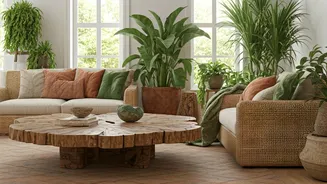
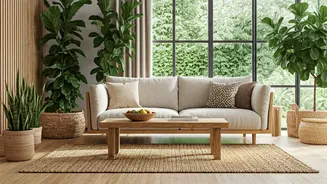
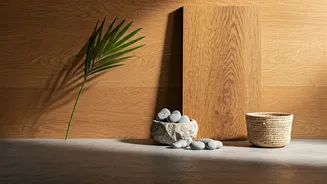
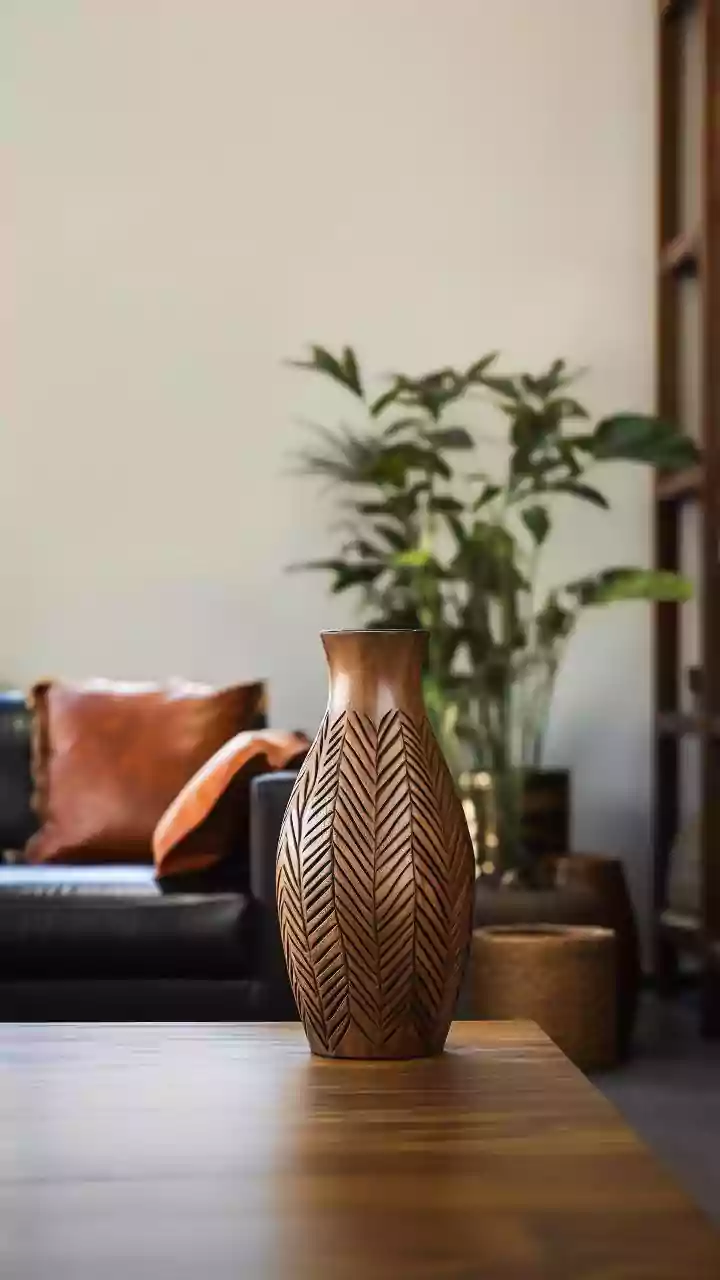
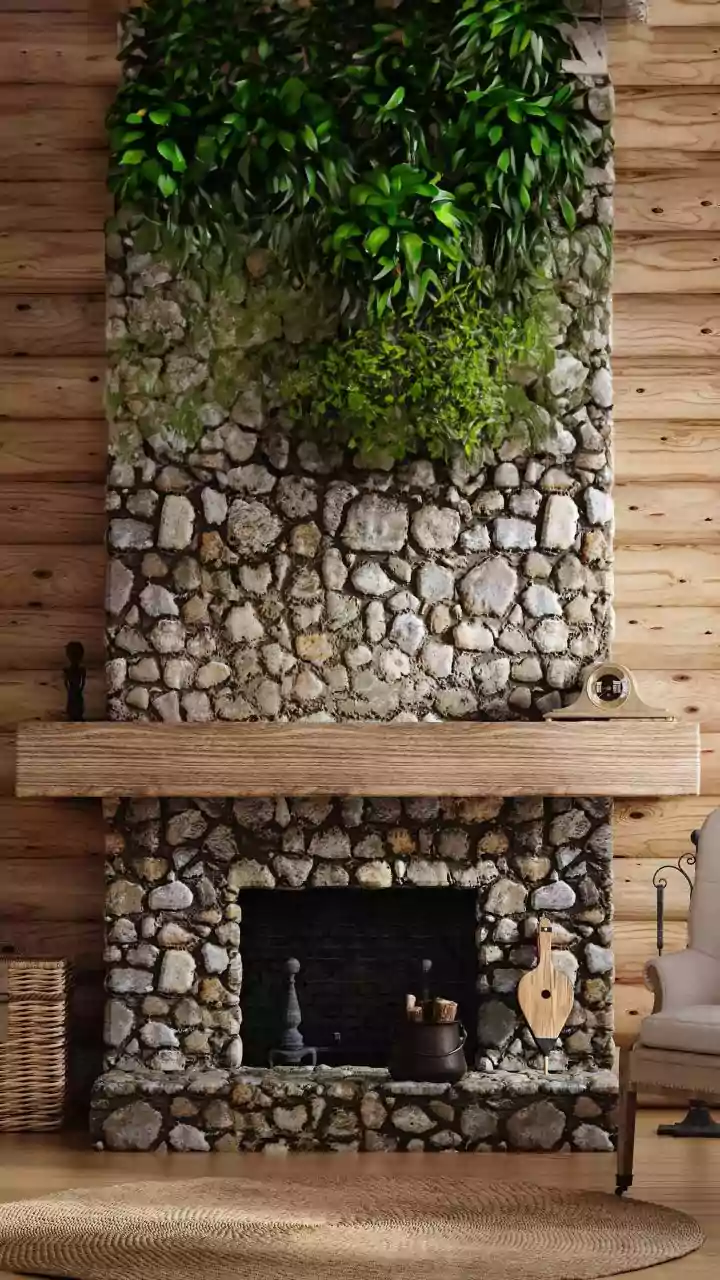
This is the cornerstone of the entire trend. Swap out synthetic or mass-produced items for those made of wood, stone, rattan, jute, wool, and cotton. You don’t need a gut renovation. Start small: replace a plastic fruit bowl with a hand-carved wooden one. Trade a polyester rug for one made of jute or wool. Look for furniture with visible wood grain, like a live-edge coffee table or an acacia wood sideboard. These materials add immediate warmth and texture. They also age beautifully, developing a patina over time that tells a story, unlike plastic, which simply breaks down or fades.
2. Go Green (Literally)
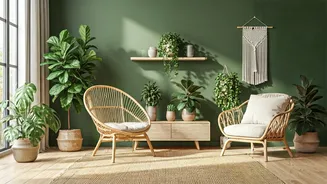
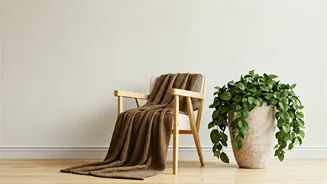
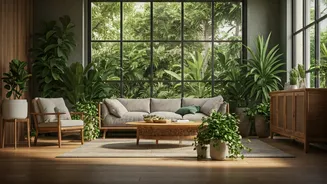
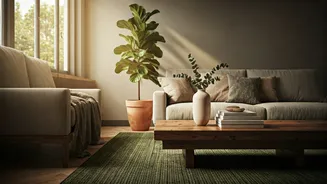
The most literal way to bring nature indoors is with houseplants. They are living sculptures that purify the air and have been proven to reduce stress. If you’re a beginner, start with low-maintenance options like a snake plant, pothos, or ZZ plant. They tolerate a wide range of light conditions and can survive a missed watering or two. For a bigger statement, a fiddle-leaf fig or a Monstera deliciosa can become a dramatic focal point in a living room or corner. Don’t forget smaller touches: a vase of fresh eucalyptus on a console table or a small pot of herbs on the kitchen windowsill adds life and a natural scent.
3. Embrace Organic Shapes and Textures
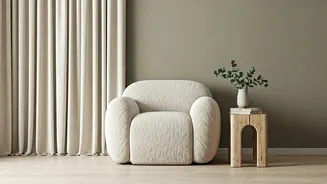
Nature rarely has perfect right angles. This trend celebrates imperfection and organic forms. Look for furniture with soft curves, like a rounded sofa or an arched bookshelf. In decor, this means choosing items that show the artist’s hand: hand-thrown ceramic mugs, a lumpy, hand-blown glass vase, or a chunky, hand-knit wool blanket. Contrast is key. The roughness of a linen pillow against a smooth leather couch, or the cool surface of a marble tray on a warm wood table, creates a rich, layered, and sensorially engaging environment. These details break up the monotony of clean, minimalist lines and make a space feel more human and inviting.
4. Maximize Natural Light
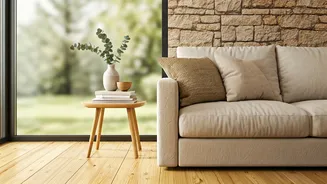
Connecting with nature also means connecting with its rhythms, and light is the primary driver of that. Do what you can to maximize daylight. Replace heavy, opaque drapes with sheer linen curtains that allow light to filter through while still providing privacy. A strategically placed mirror can also work wonders, bouncing light around a room and making it feel larger and brighter. When the sun goes down, opt for layered, warm lighting that mimics a natural glow. Avoid harsh, overhead fluorescent lights in favor of a mix of floor lamps, table lamps, and dimmable fixtures to create a soft, calming ambiance.
5. Adopt an Earth-Tone Palette
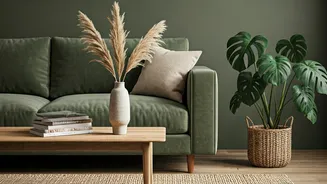
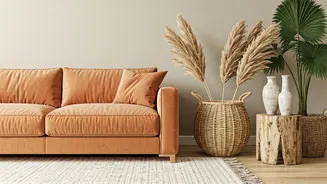
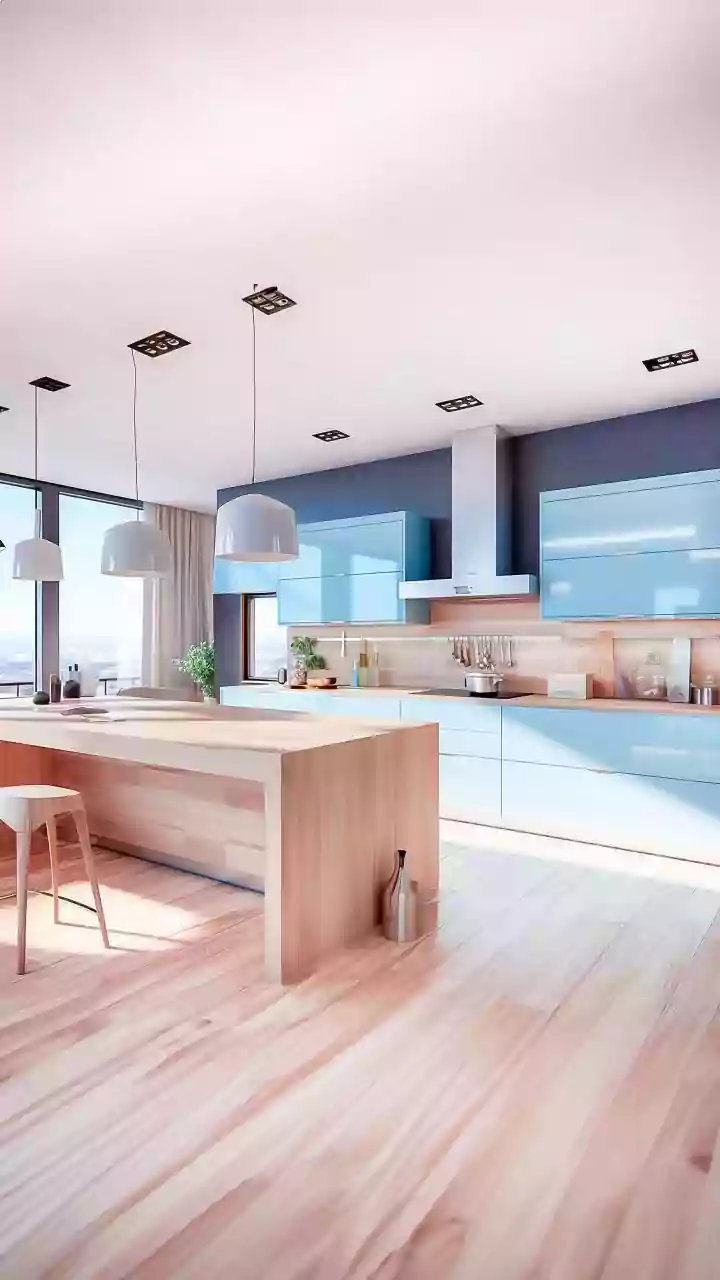
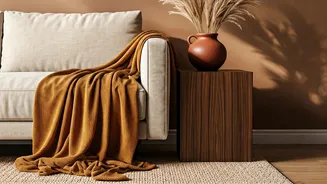
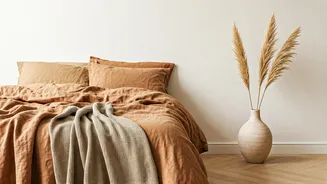
The colors found in nature are inherently calming. Build your room’s palette around earth tones. This doesn’t just mean beige and brown. Think of the deep greens of a forest, the soft blues of the sky and sea, the warm terracotta of clay, and the sandy tones of a beach. These colors work as sophisticated neutrals that provide a perfect backdrop for the natural materials and plants in your space. They create a cohesive, serene atmosphere that feels both elegant and grounded, a world away from the jarring neons or sterile grays that can feel artificial and cold.