




Deadhead for Continuous Color
By June, your early bloomers have likely put on a spectacular show. Now, some of those first flowers are starting to fade. This is where deadheading comes in. It’s the simple process of pinching or snipping off spent blossoms. Why? Because letting old
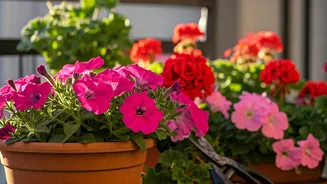
flowers go to seed tells the plant its job is done. By removing them, you trick the plant into producing more flowers in a bid to reproduce. For plants like petunias, geraniums, and marigolds, this is non-negotiable for a summer-long display. Follow the faded flower’s stem down to the next set of healthy leaves and make your cut there. This not only encourages new growth but also keeps your balcony looking tidy and vibrant.
Prune for Shape and Airflow
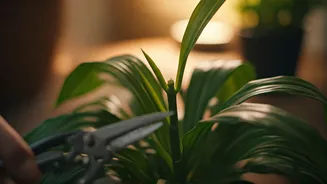
June is the perfect time for a light “haircut.” This isn’t the hard, structural pruning you do in dormancy; it’s about strategic snipping. Look for any leggy, stretched-out stems on plants like coleus or sweet potato vine and pinch them back to encourage bushier, more compact growth. Remove any yellowing or dead leaves at the base of your plants. This does more than just improve aesthetics—it increases air circulation around the stems, which is a key defense against common fungal diseases like powdery mildew that thrive in stagnant, humid conditions. A few thoughtful cuts now will result in healthier, fuller plants that are less susceptible to pests and diseases as the summer humidity sets in.
Replenish Nutrients with a Summer Feed
The fresh potting mix you used in April was packed with nutrients, but after two months of vigorous growth, your plants have used up most of that initial buffet. June is when you need to start a regular feeding schedule. Container plants are especially hungry because they have a limited amount of soil to draw from, and frequent watering leaches nutrients out. Switch to a water-soluble fertilizer formulated for flowering plants—look for one with a higher middle number (phosphorus) to promote blooms. Following the package directions, plan to feed your heavy bloomers like fuchsias and calibrachoas every one to two weeks. This consistent energy boost is the fuel they need to keep flowering profusely through the heat of July and August.
Conduct a Pest and Disease Patrol
Warm weather is an open invitation for common garden pests. Before they become a full-blown infestation, take a few minutes each week to play detective. Gently turn over leaves to check their undersides for aphids, spider mites, or whiteflies. Look at the stems and new growth, where many pests congregate. If you spot a small problem, you can often solve it manually by wiping the pests off with a damp cloth or a strong spray of water from a squirt bottle. For more persistent issues, a pre-mixed insecticidal soap is a safe and effective option for balcony gardens. Catching these problems early is far easier than trying to reclaim a plant that is already stressed and overrun.
Re-evaluate Your Watering Routine
The gentle spring watering schedule that worked in May won’t cut it in June. Longer days, more intense sun, and higher temperatures mean your plants are transpiring—and drying out—much faster. The “once a week” rule goes out the window. The best method is the finger test: stick your index finger about an inch or two into the soil. If it comes out dry, it’s time to water. If it’s still damp, wait another day. Water deeply, until you see it run out of the drainage holes at the bottom of the pot. This ensures the entire root ball gets a drink. For sun-drenched balconies, you may need to water every single day during a heatwave. Checking your pots in the morning is a good habit, as it gives plants time to hydrate before the peak heat of the afternoon.