




The Tiffin: More Than a Lunchbox
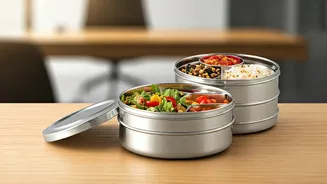
First, you need to understand the tiffin. For over a century, the tiffin—a stackable, cylindrical metal container—has been an icon of Indian work life. It’s a vessel designed to carry a multi-course, home-cooked meal from a family’s kitchen to a worker’s
desk. In cities like Mumbai, this system is elevated by the legendary dabbawalas, a legion of deliverymen who transport hundreds of thousands of these tiffins daily with near-perfect accuracy. The tiffin isn’t just Tupperware; it’s a cultural symbol, a direct link to the comfort and care of a home-cooked meal, even in the most chaotic urban environment. It represents reliability, tradition, and the enduring importance of wholesome food in a day’s work.
The Millennial Makeover
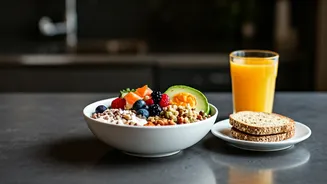
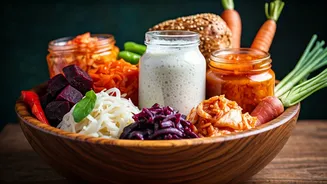
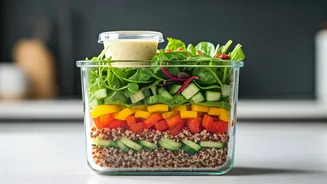
This classic container is now being filled with something entirely new. Instead of the traditional roti, dal, sabzi (vegetable curry), and rice, a younger generation is packing it with layers of color and crunch. Picture this: a base of herbed yogurt or a zesty vinaigrette, followed by a sturdy layer of chickpeas or kidney beans, then quinoa or millet, topped with chopped cucumbers, tomatoes, and bell peppers, a layer of grilled paneer or chicken, and finally, a flourish of fresh greens and toasted seeds. It’s essentially the Indian cousin of the Mason jar salad. The layers are strategic, keeping the wet ingredients separate from the crisp ones, ensuring the salad is fresh and appetizing hours later. It's a feast for the eyes before it even becomes lunch, a vibrant contrast to the often-monochrome traditional fare.
A Recipe for Modern Life
So, why the shift? This trend is a perfect storm of health consciousness, convenience, and social media savvy. Young, urban Indians are increasingly globally connected and health-aware. They’re tracking calories, avoiding post-lunch food comas caused by carb-heavy meals, and embracing 'clean eating.' The layered salad offers a perfectly balanced, nutrient-dense meal that provides sustained energy for a long workday. Convenience is also a major factor. In the hustle of city life, this pre-prepped, all-in-one meal is a godsend. There’s no need to reheat multiple dishes or juggle different containers. And, of course, it’s incredibly photogenic. In an era where 'you are what you eat' is often 'you are what you post,' a beautifully layered tiffin salad is prime content for Instagram and Pinterest, broadcasting a message of health, organization, and modern sophistication.
Tradition, Reimagined
This trend isn't a rejection of Indian culture; it's a brilliant evolution. Young Indians aren't just importing a Western food fad. They are localizing it, infusing it with familiar flavors and ingredients. They’re using indigenous grains like millets, local vegetables, and spices like chaat masala or turmeric in the dressings. They’re keeping the beloved tiffin carrier, the very symbol of a traditional lunch, and simply updating its contents to match their modern lives. It’s a way of participating in a global wellness movement without abandoning their roots. The tiffin salad demonstrates a creative and confident blending of the local and the global, showing that tradition doesn’t have to be static. It can be adapted, remixed, and made relevant for a new generation.