
The Great Unstuffing
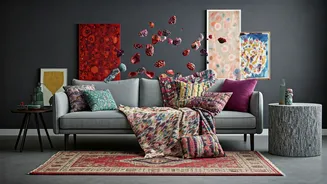
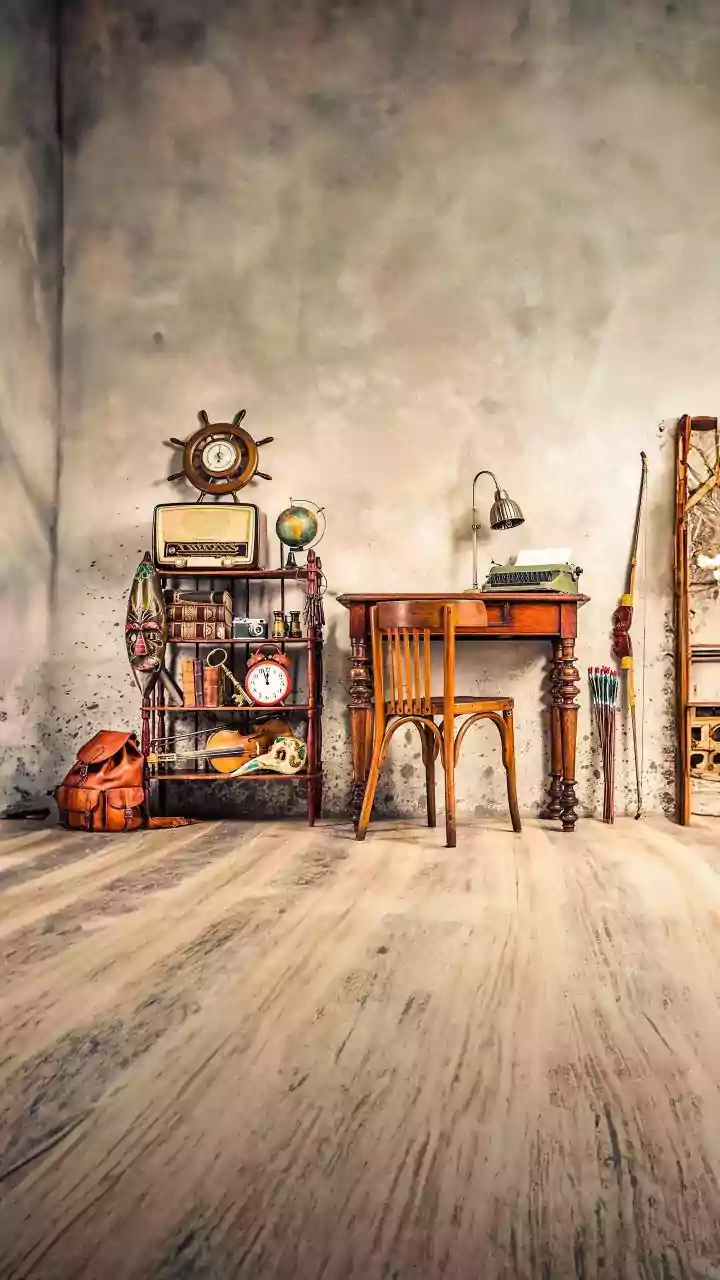
Remember when every surface seemed to sprout a new tchotchke, gallery walls crept across entire homes, and vibrant, patterned wallpaper was the undisputed king? This was the era of maximalism, a joyful, expressive movement that encouraged us to fill our spaces
with personality. On social media, the #cluttercore aesthetic celebrated lived-in, happily chaotic rooms, a stark contrast to the sterile minimalism that had dominated years prior. During the pandemic, as our homes became our offices, gyms, and entire social worlds, many of us leaned into this philosophy, surrounding ourselves with objects that told a story or simply brought a jolt of visual interest to the monotony of lockdown. But after years of sensory saturation both online and in our living rooms, a collective exhale is happening. The pendulum is swinging back, not to the cold, empty spaces of the past, but toward something new: a deliberate, soulful serenity.
It's Not Your Aunt's Minimalism
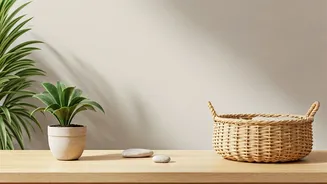
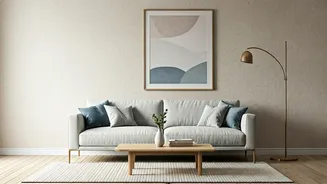
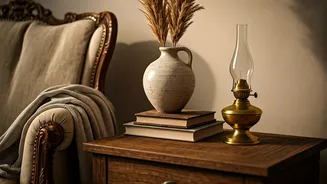
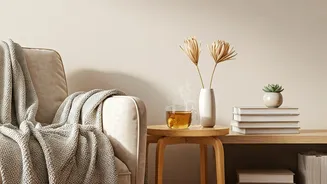
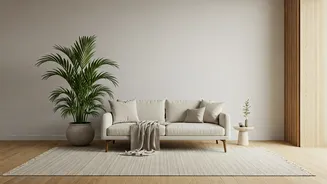
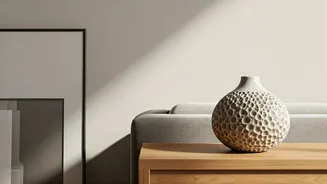
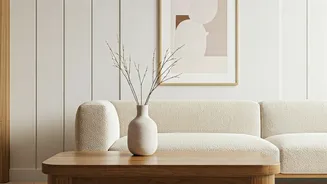
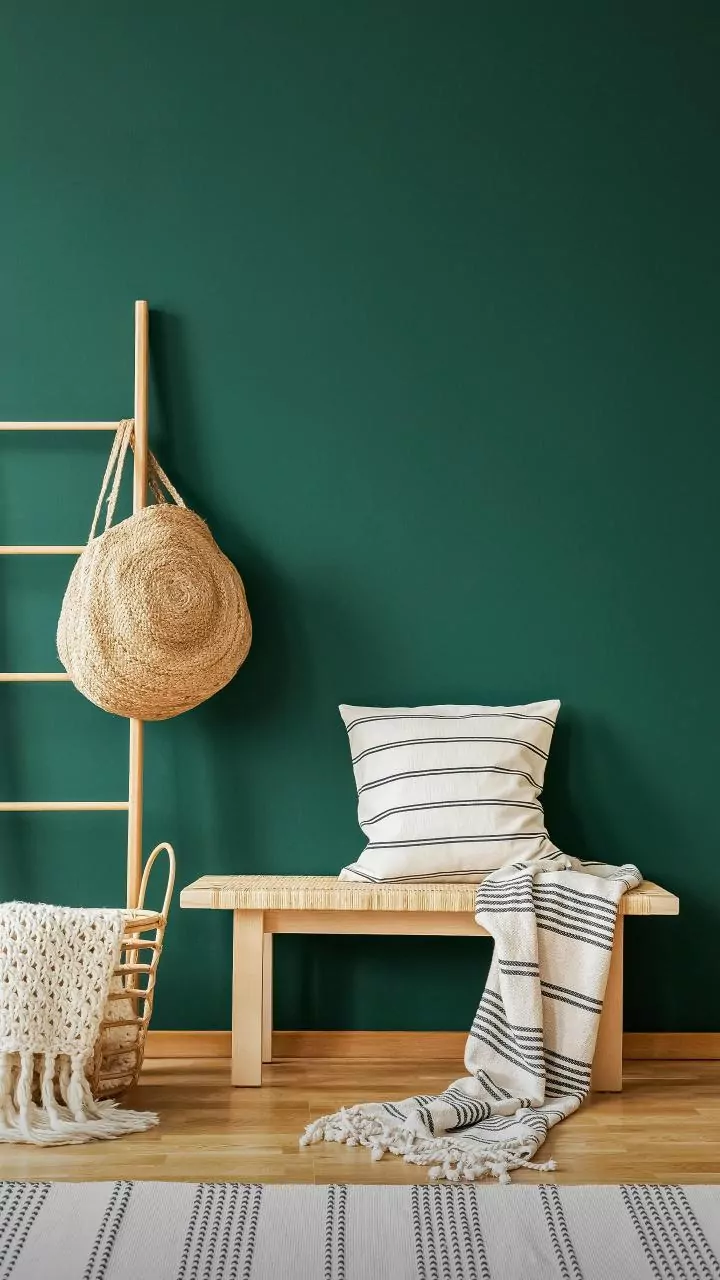
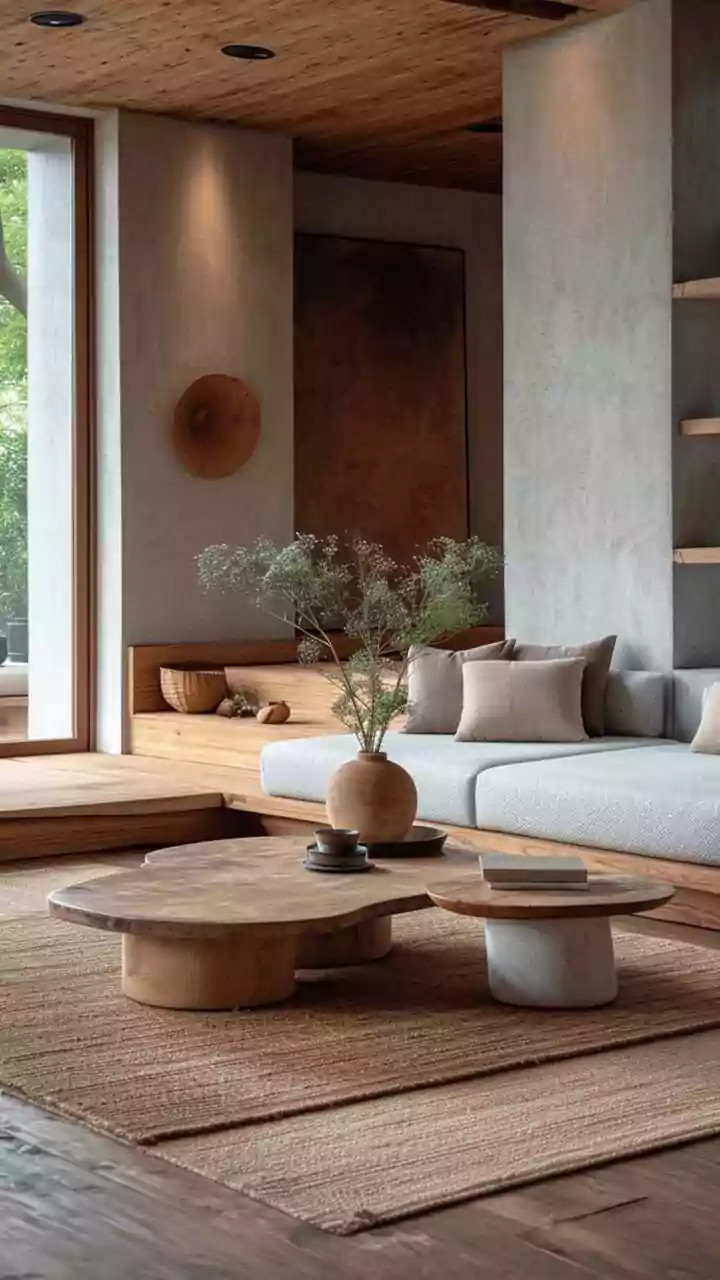
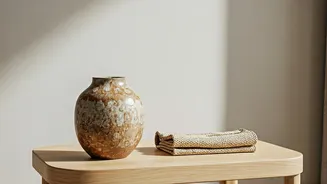
When people hear “calmer rooms,” many picture the stark, clinical minimalism of the early 2000s—white boxes with a single, uncomfortable-looking chair. This is not that. Today’s serene aesthetic is warm, textured, and deeply personal. It’s less about having nothing and more about ensuring everything has a purpose and a place. Think of design philosophies like Japandi, which blends Scandinavian functionality with Japanese rustic minimalism to create a feeling of natural, artful simplicity. This new calm is built on a foundation of natural materials like light woods, linen, wool, and stone. It prioritizes soft, diffused light, and embraces a palette of earthy neutrals, gentle greens, and warm, milky whites. A “calm” room isn’t empty; it might feature a single, beautiful piece of art, a handcrafted ceramic vase, or a plush rug that feels incredible underfoot. The focus has shifted from a collection of things to a curation of feelings.
The Psychology of a Sanctuary
This design shift is more than just a passing trend; it’s a direct response to the world we live in. We are bombarded with information, notifications, and visual noise from the moment we wake up. Our nervous systems are perpetually in a low-grade state of alert. In this context, home is no longer just a place to live—it’s a place to recover. A visually cluttered space can contribute to a feeling of mental clutter, raising cortisol levels and preventing our minds from truly resting. Conversely, a space with clear surfaces, organized systems, and a soothing aesthetic can have a measurable calming effect. It communicates to our brains that we are in a safe, controlled environment where we can let our guard down. This turn toward tranquility is an act of self-preservation, an attempt to build a personal sanctuary that nurtures our well-being and provides a much-needed buffer from the chaos outside.
Finding Your Own Quiet
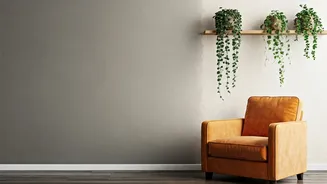
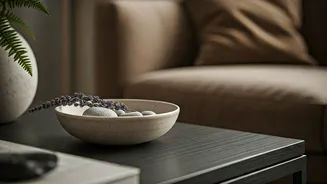
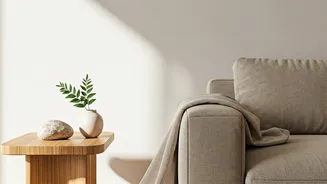
Embracing a calmer home doesn't require a complete overhaul or tossing all your beloved possessions. It's about a shift in mindset. It starts with editing—thoughtfully considering what you own and why. The goal isn’t to be ruthless, but to be intentional. Ask yourself: does this object serve a function, bring me joy, or hold a special memory? If not, it might just be visual noise. Try creating “breathing room” on your shelves instead of packing them full. Invest in smart, hidden storage to conquer papers and everyday clutter. Pay attention to texture: a soft blanket, a smooth wooden bowl, a rough-hewn linen pillow. These tactile elements add warmth and interest without adding clutter. Ultimately, the new calm is deeply personal; it’s about identifying what makes you feel centered and secure and then building a home that reflects that, one thoughtful choice at a time.