



Loud: More Than Just Heat
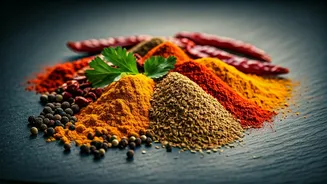
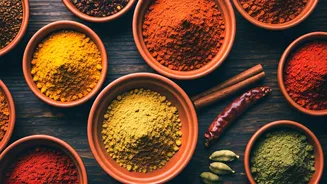
The first thing to understand about the future of Indian food is that “loud” no longer just means spicy. The new loudness is about a full-spectrum assault on the senses, driven by techniques that amplify umami, sourness, and funk. Chefs across India are
diving deep into the country's long history of fermentation, bringing pungent pickles (achaar), fermented bamboo shoots from the Northeast, and tangy rice batters to the forefront. These aren't just side dishes; they are the acidic, complex backbone of a meal. Think less of a singular blast of chili and more of a symphony of layered flavors: the sharp funk of a mustard-seed pickle cutting through a rich, slow-cooked meat, or the sour tang of a Goan vindaloo balanced not by sugar, but by the natural sweetness of local palm vinegar. This is flavor that speaks, argues, and sings—all on one plate.
Local: The Hyper-Regional Revolution
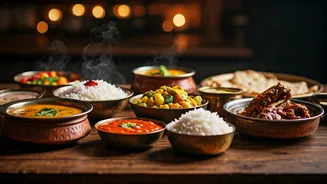
The single biggest shift in modern Indian dining is the passionate turn toward hyper-localism. For decades, the restaurant scene was dominated by a standardized, Mughlai-inspired “North Indian” menu that flattened the country’s staggering diversity. That era is over. The new culinary map of India is being redrawn, state by state, village by village. We’re seeing a fierce pride in regional identity. Chefs are building entire menus around the coastal seafood traditions of Kerala, the smoky, pork-forward cuisine of Nagaland, or the subtle, sun-dried vegetable dishes of Odisha. This means American diners will increasingly encounter ingredients they’ve never heard of: black rice from Manipur, fiery Bhut Jolokia chilies from Assam used for flavor instead of fire, and foraged greens from the Himalayas. It’s a movement that says there is no such thing as “Indian curry,” only a thousand different, highly specific dishes that tell the story of a particular place.
Delicious: Old Soul, Modern Mind
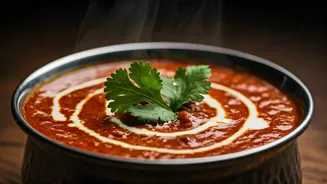
This isn't about abandoning tradition for foams and gels. The most exciting food in India today respects its roots while embracing a modern mindset. The “delicious” part comes from chefs who are part historian, part innovator. They are unearthing centuries-old family recipes and forgotten cooking methods—like cooking in clay pots, using stone grinders, or preserving with sun-drying—and applying them with precision and artistry. A dish might be conceptually ancient, but its execution is flawless and its presentation is clean and contemporary. This could manifest as a deconstructed biryani that separates each aromatic element for you to appreciate, or a traditional fish curry refined with high-quality, single-origin spices and plated with the elegance of a French bistro. It’s the best of both worlds: food with an old soul and a 21st-century sensibility, proving that deliciousness is timeless.
The Ingredient-First Mindset
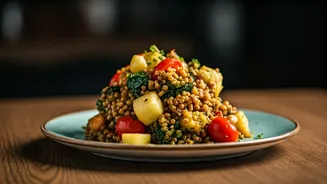
Underpinning all of this is a fundamental shift in philosophy: the ingredient is king. A farm-to-table movement is sweeping across India’s urban centers, with restaurants forging direct relationships with farmers to source seasonal, indigenous, and organic produce. This goes beyond just fresh vegetables. It's about celebrating native millets and grains over refined flour, showcasing heirloom varieties of rice, and championing small-batch producers of cheese and artisanal meats. This ingredient-first approach not only leads to better-tasting food but also fosters sustainability and a deeper connection to the land. When a menu can tell you which farm your tomatoes came from or that your fish was caught by a specific coastal community that morning, it adds a layer of meaning that elevates the entire dining experience from a simple meal to a compelling story.