




Beyond Butter Chicken and Naan
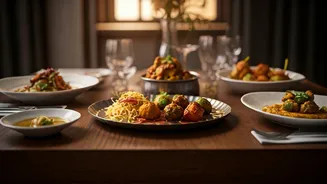
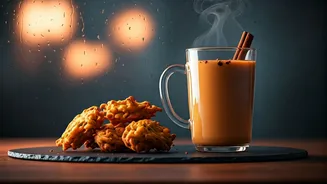
For decades, the Indian food festival in America followed a familiar script. You’d find comforting, if predictable, staples: vats of chicken tikka masala, fluffy naan bread fresh from a portable tandoor, and crisp vegetable samosas served with mint and tamarind
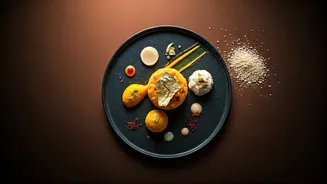
chutneys. While delicious, the offerings often represented a narrow, North-Indian-centric slice of an impossibly diverse cuisine, curated to be approachable for a Western palate. But a seismic shift is happening on the pop-up circuit. Today’s Indian food festivals are transforming from showcases of the familiar into vibrant laboratories for culinary creativity. They’ve become the front lines where a new generation of chefs is deconstructing, remixing, and reimagining what Indian food can be.
The New Wave of Culinary Creators
This evolution isn’t happening by accident. It’s being driven by a cohort of second-generation Indian Americans, immigrant chefs with global training, and passionate home cooks who are no longer content to simply replicate the classics. They are using food as a medium to explore their dual identities, blending the flavors of their heritage with the techniques and ingredients of their American upbringing. These festivals offer a low-risk, high-impact platform to test their most inventive ideas. Unlike the massive overhead of a brick-and-mortar restaurant, a festival stall allows for experimentation. A chef can trial a butter chicken bao or a masala-spiced mac and cheese for a weekend, gauge the crowd's reaction, and tweak the recipe without risking a fortune. This pop-up culture has become an essential incubator for the future of Indian-American cuisine.
What's on the Menu? A Playground of Flavors
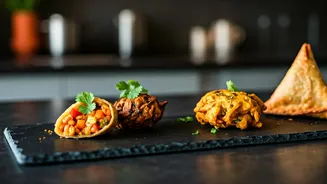
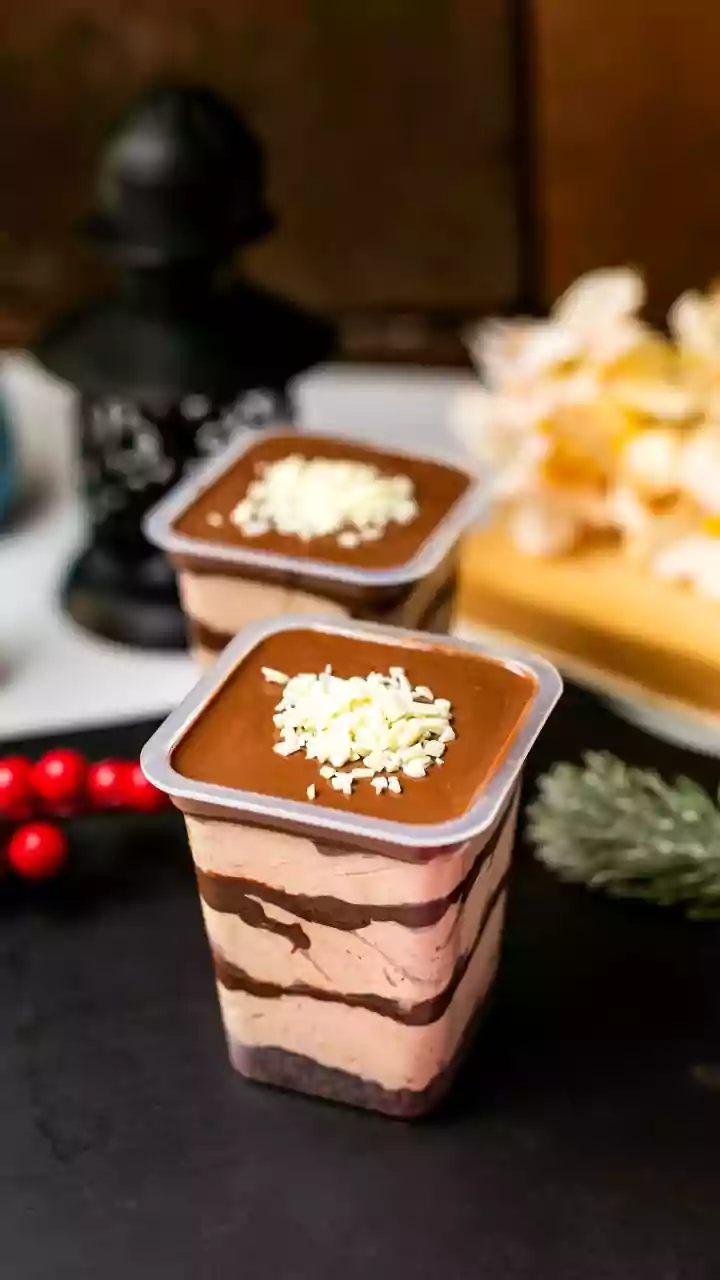
So what do these “flavour experiments” actually taste like? Imagine walking through a bustling festival and finding a vendor serving pani puri, the classic hollow crisps, but instead of the traditional spiced water, they’re filled with avocado-tamarind mousse. A few stalls down, someone is slinging “naan-izzas,” using the soft, chewy bread as a base for toppings like spicy lamb keema and paneer. You might find dosa, the South Indian lentil and rice crepe, wrapped around Texas-style brisket, or kulfi, the dense Indian ice cream, flavored with lavender and honey. Even desserts are getting a makeover. Gulab jamun, the syrupy milk-based spheres, are being stuffed into donuts or layered into cheesecakes. These aren't just gimmicks; the best of these dishes are thoughtful fusions that honor both culinary traditions, creating something new and exciting in the process. They’re a dialogue between cultures, served on a paper plate.
Identity on a Plate
This trend speaks to a deeper cultural shift. For years, immigrant communities often felt pressure to present a simplified, easily digestible version of their culture. Today, there's a newfound confidence. Chefs and creators feel empowered to present Indian food in all its complexity, weirdness, and glory—and to innovate on their own terms. It’s a declaration that Indian food is not a static museum piece but a living, breathing tradition that is constantly evolving. These experimental dishes tell a story of migration, adaptation, and identity. They reflect a generation that is proudly Indian and proudly American, and sees no contradiction in that. The willingness of festival-goers to line up for these new creations shows that the American palate is also evolving, becoming more adventurous and eager to move beyond the familiar.