




Beyond the Pilgrim Path
Every year, hundreds of thousands of pilgrims travel a well-worn path in the Garhwal Himalayas. Their destination is Gangotri, a sacred town revered as the source of the Ganges River. But just 15 miles before this bustling spiritual hub, most travelers
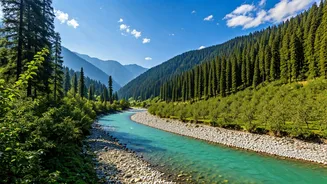
unknowingly bypass one of the region’s most enchanting secrets: Harsil Valley. Tucked away on the banks of the Bhagirathi River, Harsil exists in a different rhythm. It’s a quiet pocket of serenity that feels worlds away from the commercialized energy of the main pilgrimage route. While Gangotri draws the devout, Harsil beckons the dreamers, the artists, and those simply seeking a place to breathe deeply.
A Landscape Painted in Green and White
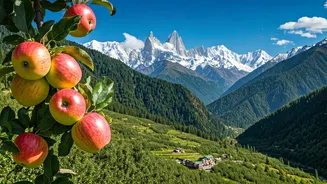
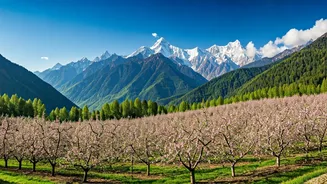
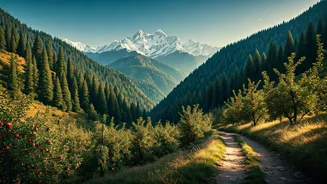
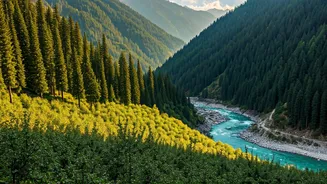
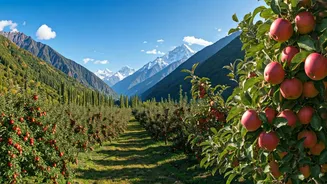
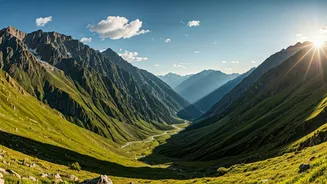
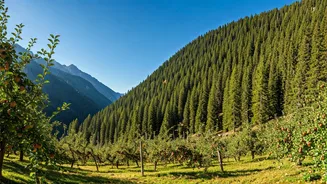
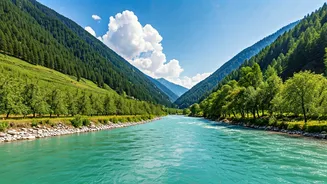
The valley’s beauty is a masterpiece of natural contrasts. In the summer, it’s a canvas of vibrant greens, with dense forests of towering deodar pines climbing the slopes. The air is crisp and filled with the scent of pine needles and damp earth. The Bhagirathi River, a brilliant glacial blue-green, rushes through the valley floor, its constant murmur providing a soothing soundtrack. This verdant landscape is also famous for its apple orchards. The story goes that in the mid-19th century, an Englishman named Frederick “Pahari” Wilson introduced apples to the region. Today, Harsil’s sweet, juicy apples are legendary, and walking through an orchard in bloom is a quintessential valley experience. Come winter, the scene transforms entirely. A thick blanket of snow quiets the landscape, turning Harsil into a pristine white wonderland straight out of a fairy tale.
The Heartbeat of the Villages
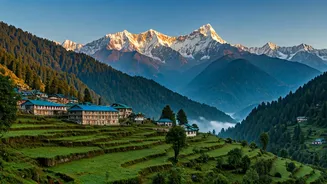
Harsil isn't just a landscape; it's a living, breathing community. The valley is dotted with small, picturesque villages inhabited by the Bhotiya people, a semi-nomadic community with unique cultural traditions. Wooden houses with intricately carved windows and slate roofs cluster together, smoke curling from their chimneys. The most significant of these villages is Mukhba, located a short walk from Harsil. During the harsh winter months when Gangotri becomes inaccessible due to snow, the idol of the goddess Ganga is brought down to Mukhba, making it her winter home. This ceremony infuses the quiet village with a gentle spiritual significance. Engaging with the local culture is as simple as a friendly “Namaste,” a cup of chai at a small stall, or buying a hand-knitted woolen shawl from a local woman. The pace is unhurried, the smiles are genuine, and the welcome is warm.
An Invitation to Slow Down
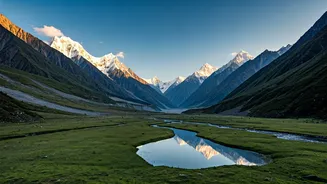
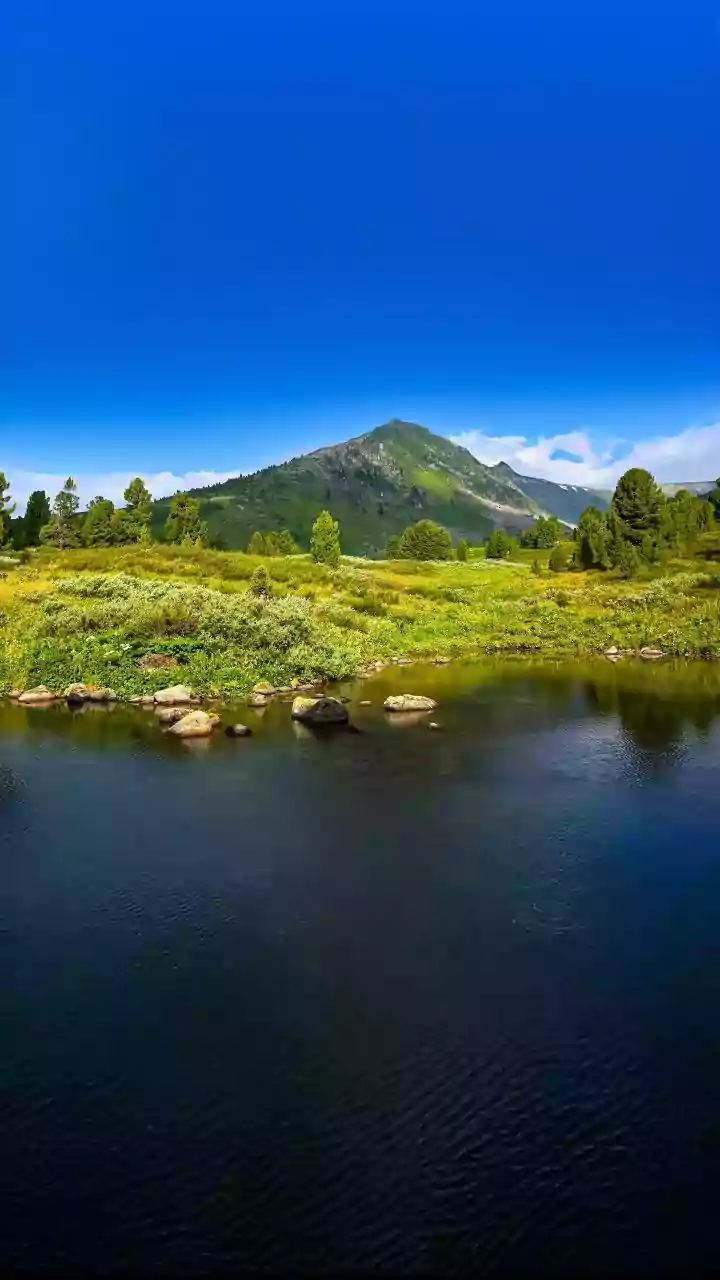
The allure of Harsil lies in what it lacks. There are no high-octane adventure sports, no sprawling luxury resorts, and no nightlife to speak of. Its treasures are subtle and require a willingness to slow down. Adventure here means taking a long walk along the river, finding a secluded spot for a picnic, or trekking to Sattal, a group of seven interconnected lakes hidden in the woods above the valley. It’s a place for contemplation, for reading a book by the river, or for simply sitting and watching the clouds drift over the snow-capped peaks that frame the valley. Harsil doesn't demand anything from you; it simply offers a space to reconnect with nature and yourself. It’s the perfect antidote to the overstimulation of modern life and the pressures of a typical bucket-list vacation.