





What 'Passport Power' Actually Means
First, a quick primer. A passport's 'power' is typically ranked by the number of countries its holder can enter without needing a pre-approved visa. For decades, this exclusive club of visa-free travel has been dominated by nations in Europe, North America,
and East Asia. Indexes like the Henley Passport Index quantify this, turning diplomatic relationships into a simple, powerful score. A higher ranking means greater freedom of movement for citizens, and it serves as a global barometer for a nation's perceived economic stability, political reliability, and diplomatic clout. When a country's passport gets stronger, it’s because other nations have decided to open their doors more freely to its people, a decision never made lightly.
India's Upward Trajectory
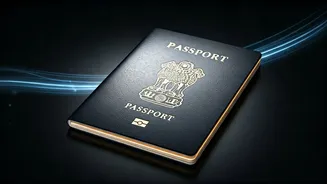
While its specific ranking can fluctuate year to year, India’s overall trend has been one of significant progress. Over the past decade, the country has steadily increased the number of destinations its citizens can access visa-free or with a visa-on-arrival. The most recent updates show Indian passport holders have access to over 60 countries, a list that now includes destinations in Asia, the Middle East, Africa, and the Caribbean. While this still lags far behind top-ranked passports like those from Singapore or Spain (which offer access to nearly 200 countries), the improvement is notable. It reflects years of concerted diplomatic effort by New Delhi to forge stronger bilateral ties and negotiate visa-waiver agreements. Each new agreement is a building block, representing a vote of confidence from the international community.
More Than Just Tourism
The ability to travel more easily isn't just about making vacations simpler for India's burgeoning middle class. It's a critical engine for economic growth and soft power. For Indian entrepreneurs, investors, and tech professionals, visa-free access reduces friction for attending conferences, scouting new markets, and managing international teams. For the country’s massive student population—the second largest group of international students in the U.S.—easier travel facilitates educational and research opportunities abroad. This enhanced mobility allows India to more effectively export one of its most valuable assets: its human capital. When Indian professionals can move around the globe with fewer hurdles, they build bridges, drive innovation, and deepen their country's integration into the global economy.
Why It Matters for America
For the United States, India's rising passport power is a multifaceted development. On one hand, it’s a sign of a key strategic partner's growing influence on the world stage—something Washington has actively encouraged as a counterbalance in Asia. A more globally connected India is a more capable partner. On the other hand, it represents a new dynamic in the global competition for talent. The U.S. has long been the primary destination for India's best and brightest. As other nations in Europe and Asia make it easier for Indian professionals to visit, work, and settle, America's position as the default destination is no longer guaranteed. The flow of talent may become more diffuse, forcing the U.S. to compete more actively for the engineers, doctors, and entrepreneurs who will build the economies of tomorrow.