



An Unlikely Spectacle
Let’s be honest: most of us retreat when the skies open up. We pull the blinds, brew some tea, and wait for the sun to return. But out in the woods, something magical is happening. The pitter-patter on the roof is feeding creeks and rivers, transforming
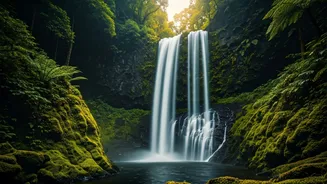
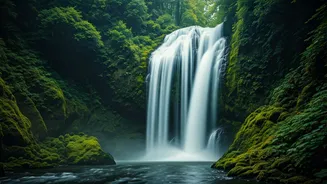
them from gentle streams into surging arteries of raw power. And at the end of that journey is the waterfall, a feature that doesn’t just tolerate the rain—it thrives on it. A waterfall in the dry season might be a graceful trickle, a pleasant backdrop for a photo. But a waterfall in the rainy season is an entirely different beast. It's a full-throated, ground-shaking roar. The mist it kicks up can be felt from hundreds of feet away, the air becomes electric, and the sheer volume of water is a visceral reminder of nature’s force.
From Trickle to Thunder
The transformation is what makes rainy-season waterfall chasing so rewarding. Think of a place like Yosemite National Park. In late summer, Yosemite Falls can be reduced to a whisper, sometimes disappearing entirely. But after a significant winter storm or a series of spring rains, it comes back to life with a vengeance, its thundering crash echoing through the valley. It’s a seasonal celebrity making a dramatic comeback. The same story plays out across the country. In the Pacific Northwest, Oregon's Multnomah Falls is a year-round stunner, but it's during the perpetually damp winter and spring that it reaches its most awe-inspiring peak flow. In the Southeast, the network of falls in Great Smoky Mountains National Park swells dramatically after a classic Appalachian downpour, turning a pleasant forest hike into a multi-sensory adventure filled with the sounds of rushing water at every turn. You aren't just seeing a landmark; you're seeing it at its most powerful and alive.
How to Embrace the Deluge
Chasing waterfalls in the rain isn’t a spontaneous affair; it requires a bit of preparation to stay safe and comfortable. The right gear is non-negotiable. A truly waterproof rain jacket with a hood is your best friend. Waterproof hiking boots with excellent grip are a close second, as trails will be muddy and rocks will be slick. Avoid cotton clothing, which soaks up water and makes you cold, and opt for wool or synthetic layers instead. Beyond gear, timing is everything. The best show often happens in the hours and days immediately following a heavy rainfall. Check local weather forecasts and be aware of your surroundings. Trails can become treacherous, and you should always be mindful of potential flash floods in narrow canyons or low-lying areas. Never cross a creek or river that appears swollen and fast-moving. The goal is to witness the power of water, not become a part of it.
More Than Just a View
The final reward of a rainy-day waterfall hike is the solitude. While fair-weather crowds pack popular trails on sunny weekends, a drizzly Tuesday offers a different kind of experience. You’re more likely to have the trail—and the view—largely to yourself. The forest itself feels different. The colors are deeper and more saturated: the moss on the trees glows a vibrant green, the dark bark of the trunks looks richer, and the earthy smell of petrichor hangs in the air. It’s a quieter, more intimate encounter with the natural world. You’re not just a spectator passing through; you’re an active participant in the day’s moody, beautiful drama. The waterfall isn’t just the destination; it’s the climax of a story that the rain began to tell.