



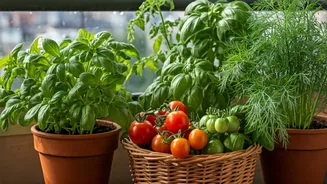
The Shift from Finicky to Functional
For years, the gardening world was dominated by aspirational planting. Seed catalogs and social media feeds showcased rare, exotic, and often difficult-to-grow varieties. The result? Many well-intentioned gardeners ended up with a handful of oddly shaped
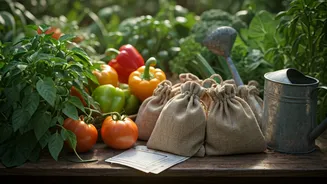
cucumbers or a single, glorious melon that took up half their raised bed all summer. Now, a different priority has taken root: utility. Gardeners are increasingly seeking out vegetables that are productive, reliable, and versatile in the kitchen. They want a harvest that can genuinely supplement their grocery bill, not just provide a single photo opportunity. This isn't about giving up; it's about getting smart and maximizing the return on their time, space, and effort.
1. Zucchini and Summer Squash
It’s a running joke for a reason: plant zucchini, and you’ll be trying to give it away to your neighbors, coworkers, and the mail carrier. But this prolific nature is exactly what makes it a star of the utilitarian garden. Modern varieties are more disease-resistant than ever, and a single healthy plant can produce dozens of fruits. They’re a workhorse in the kitchen, perfect for grilling, sautéing, baking into bread, or spiralizing into 'zoodles.' For maximum utility, choose a compact bush variety that won't swallow your entire garden plot. Harvest them when they are small and tender (6-8 inches) for the best flavor and to encourage the plant to keep producing.
2. Bush Beans
While pole beans offer a long harvest window, bush beans are the champions of practical, bulk harvesting. They are compact, require no trellising, and produce their crop in a concentrated period, making them ideal for gardeners who want to process and preserve. You can plant a row and, a couple of months later, have enough beans to can, freeze, or enjoy fresh for weeks. They are also 'nitrogen fixers,' meaning they enrich the soil as they grow, benefiting the crops you plant there next season. Look for varieties labeled 'stringless' for even easier prep.
3. 'Cut-and-Come-Again' Leafy Greens
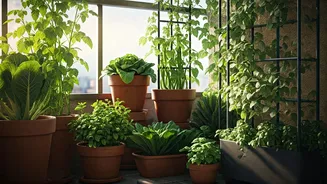
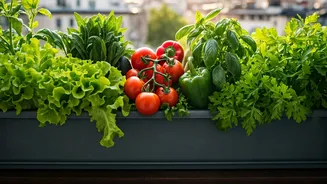
Paying $5 for a plastic box of salad mix stings a little less when you have a perpetual supply growing right outside your door. 'Cut-and-come-again' greens like leaf lettuce, arugula, spinach, and Swiss chard are the definition of a useful crop. Instead of harvesting the whole head, you simply snip the outer leaves, and the plant continues to produce new ones from the center for weeks or even months. This provides a steady, consistent harvest rather than a one-time glut. They thrive in containers and can be tucked into small, partially shaded spots, making them one of the most space-efficient and cost-effective crops you can grow.
4. Determinate Tomatoes
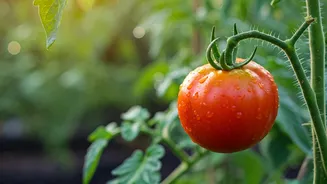
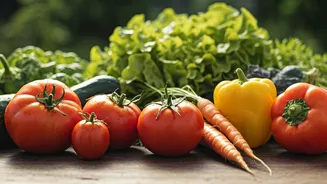
The sprawling, season-long 'indeterminate' tomato vines are romantic, but for the practical grower, 'determinate' or 'patio' varieties are often the better choice. These compact, bush-like plants grow to a predetermined size, set their fruit all at once over a few weeks, and are then done for the season. This might sound like a drawback, but it’s a huge advantage if your goal is to make sauce, salsa, or canned tomatoes. You get a large, predictable harvest you can process in one go, without wondering if you'll have enough. They are also perfect for container gardening and require less staking and pruning.
5. Culinary Herbs
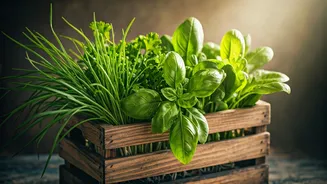
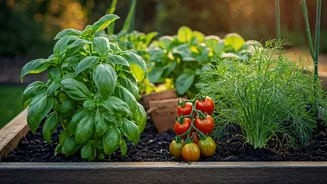
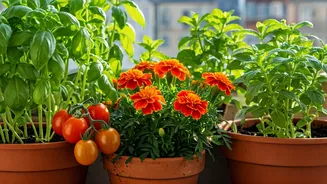
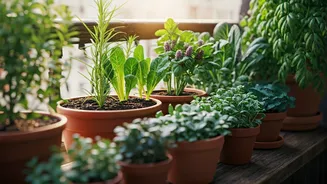
Herbs offer the highest return on investment in the garden. A small packet of basil seeds can produce enough to make pesto all summer long, and a single rosemary or thyme plant can supply your kitchen for years. Fresh herbs are expensive at the grocery store but incredibly easy and cheap to grow at home. They instantly elevate any meal and take up very little space, thriving in small pots on a sunny windowsill or patio. Start with the 'trinity' of useful herbs: basil, parsley, and chives. They are relatively foolproof and will make you feel like a gourmet chef with every snip.