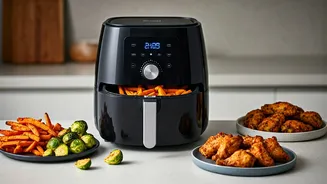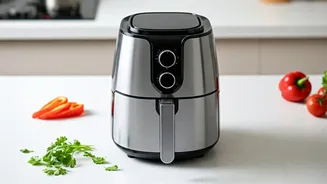






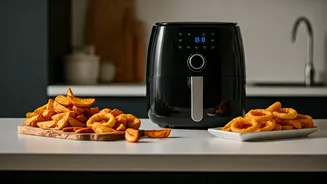


The Big Reveal: The Air Fryer
Let’s cut to the chase. The gadget that has achieved near-ubiquity in kitchens across the U.S. is the air fryer. If you don’t own one, you almost certainly know someone who does—and they probably talk about it. A lot. But for all the hype, a surprising
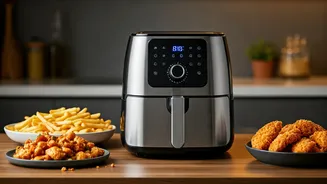
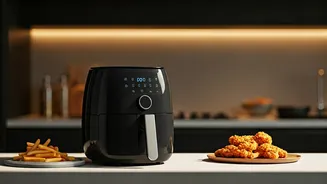
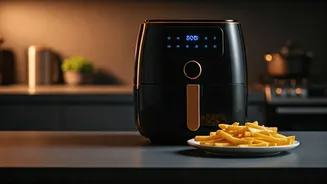
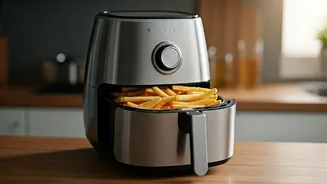
number of people are still a little fuzzy on what it actually is. First, let’s clear up the biggest misconception: an air fryer doesn’t “fry” food in the traditional sense. It’s not a deep fryer filled with bubbling oil. In reality, an air fryer is a compact, high-powered convection oven. It works by circulating extremely hot air at high speed, which cooks food quickly and creates a crisp, browned exterior that mimics the texture of fried food, but with a fraction of the oil—often just a light spritz or a single tablespoon is all that’s needed.
Why Is It Suddenly Everywhere?
The air fryer isn't new—it was introduced over a decade ago—but its explosion in popularity is a more recent phenomenon. Several factors aligned to create the perfect storm. First, there was the ongoing wellness trend and a collective desire for healthier versions of comfort foods. The promise of crispy french fries with 75% less fat was an irresistible pitch. Then, the pandemic hit. With millions of Americans stuck at home, cooking fatigue set in. The air fryer offered a novel, fast, and easy way to get a meal on the table. It was also a perfect match for the social media age. On platforms like TikTok and Instagram, quick, visually appealing videos of people making everything from salmon to donuts in their air fryer went viral, providing endless inspiration and a powerful dose of gadget envy. It became the ultimate tool for convenient, low-effort, high-reward home cooking.
The Case for an Air Fryer
So, what are people actually doing with these things? Proponents will tell you the possibilities are nearly endless. Its primary strength is in its ability to transform foods that might otherwise turn out soggy. It’s a master at cooking frozen foods like chicken nuggets, tater tots, and mozzarella sticks, turning them exceptionally crisp in minutes. It excels at roasting vegetables like broccoli and Brussels sprouts, giving them a charred, crispy finish that’s hard to achieve in a conventional oven. But its secret weapon, and the one that converts many skeptics, is its power as a reheating machine. A slice of leftover pizza reheated in an air fryer emerges with a melted, bubbly top and a perfectly re-crisped crust—a feat a microwave could only dream of. For small meals, quick snacks, and reviving leftovers, its speed and efficiency are hard to beat.
The Reality Check: Before You Buy
Before you rush out to buy one, it’s important to understand its limitations. The number one complaint? The footprint. Air fryers are bulky. In kitchens where counter space is at a premium, dedicating a permanent spot to another appliance can be a dealbreaker. They can also be quite loud, with a fan that sounds like a small jet engine. And while they are perfect for one or two people, the limited capacity of most models makes them impractical for cooking a main course for a large family. You can’t roast a whole chicken for six people in a standard-sized air fryer basket. It's a supplementary appliance, not a replacement for your oven. You have to ask yourself: Do I have the space, and will I use it for more than just reheating frozen fries? For many, the answer is a resounding yes. For others, it’s an expensive machine that ends up gathering dust.