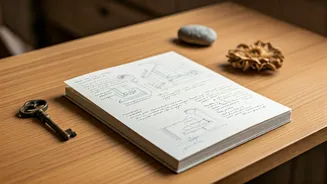

What It Means to Design From Memory
Forget fleeting fads and Pantone’s Color of the Year. Designing from memory is an approach centered on your personal history, experiences, and emotions. It’s about curating a space filled not with what’s in style, but with what holds meaning. Think of your home
as a living scrapbook. Instead of starting with a blank slate or a Pinterest board of strangers’ houses, you start with you: the vacation that changed your perspective, the texture of your grandfather’s favorite armchair, the specific shade of blue from a childhood beach trip. This method trades impersonal perfection for personal connection, creating a home that supports and reflects your life’s narrative. It’s less about interior design and more about interior storytelling.
Start With Your Story, Not a Store
The first step isn't a shopping trip; it's a mental one. Take an inventory of your own life for aesthetic clues. What are the sensory details tied to your happiest moments? Don't just think about objects; consider colors, textures, and even light. Perhaps it’s the warm, buttery yellow of your grandmother's kitchen walls, the rough-hewn wood of a cabin you visited, or the scent of lavender from a trip to the countryside. Make a list of these sensory memories. These elements become your personal style guide. This process helps you identify a core aesthetic that is uniquely yours, providing a filter for every future design decision. When you know a deep green reminds you of peaceful forest hikes, you’ll choose a sofa or a paint color with confidence, knowing it’s rooted in something more than a trend.
Give Your Heirlooms a Modern Home
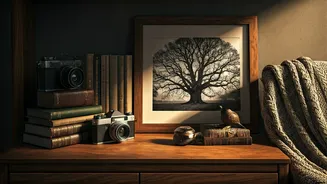
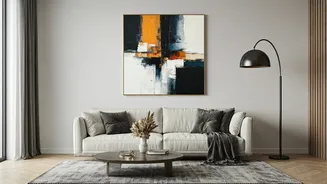
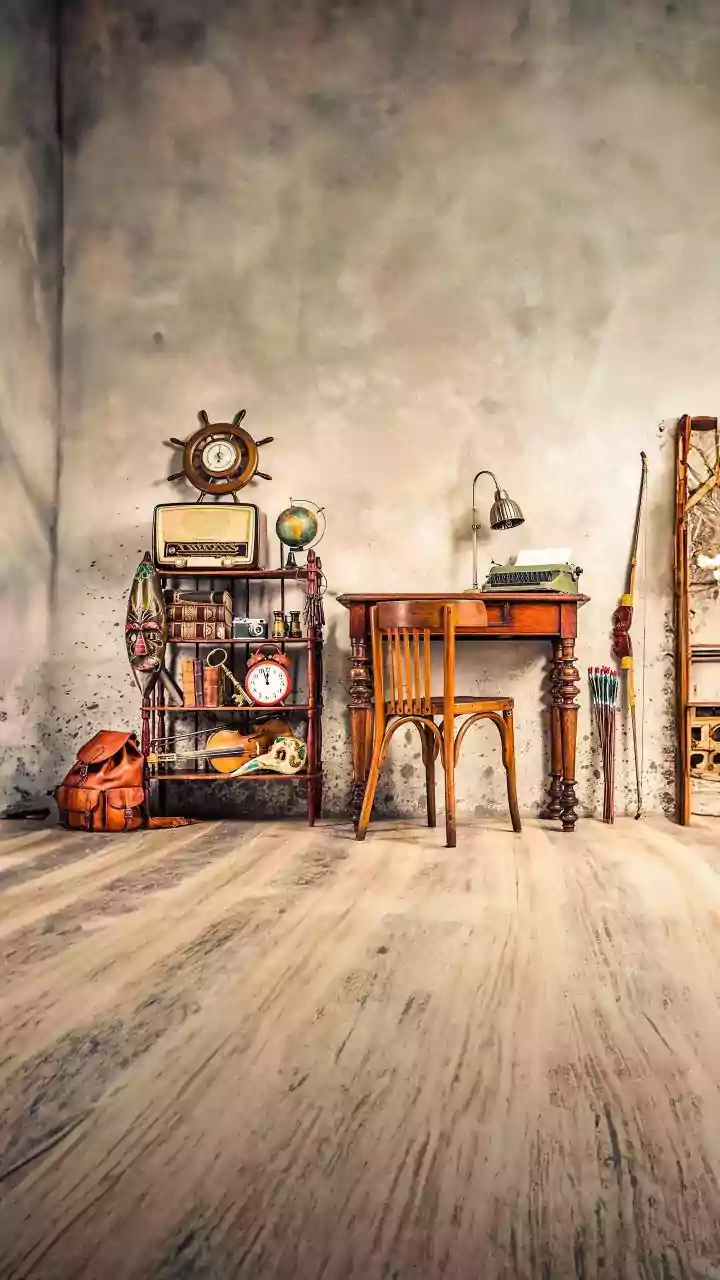
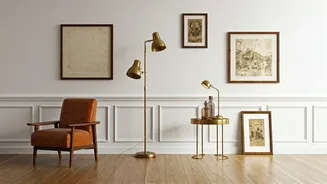
Many of us have inherited items that we cherish for their sentimental value but struggle to incorporate into a modern home. The key is creative integration, not reverent isolation. That antique dresser that feels too formal? Try painting it a bold, contemporary color or updating the hardware. A collection of your mother’s porcelain plates can be arranged in a graphic, modern gallery wall instead of sitting in a china cabinet. Old family photos don't have to live in dusty albums; have them professionally scanned, reprinted, and framed in a consistent style to create a powerful, personal art installation. Even a tattered quilt can find new life draped over a sleek, minimalist sofa, providing a perfect dose of texture and history. The goal is to honor the past by making it part of your present, not a relic of it.
Evoke a Feeling, Don't Replicate a Scene
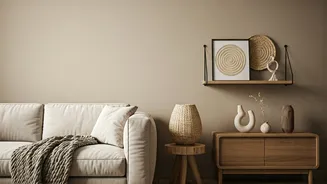
You don’t need to recreate your childhood bedroom brick-for-brick to capture its cozy, safe feeling. The most sophisticated way to design from memory is to translate the emotion of a place, not its literal appearance. If you loved the airy, sun-drenched feel of a seaside cottage you once visited, focus on achieving that feeling with light-colored paint, sheer curtains that billow in the breeze, and natural textures like linen and jute. You don’t need a sign that says “Beach House.” The feeling will be embedded in the design itself. This abstract approach allows for more flexibility and a more timeless result. Your home will feel like that special place without being a theme-park version of it.
Make Room for New Memories
A home designed from memory is not a static museum of the past; it’s a dynamic space that grows with you. While it honors where you’ve been, it should also have room for where you’re going. Leave some white space on your walls for art you’ll discover on a future trip. Choose a dining table that invites the boisterous family dinners you hope to host. This approach is about creating a backdrop for your life as it unfolds. The shell you picked up on last summer’s vacation can sit next to your great-grandmother’s silver box. Each item adds another layer to your home’s story. By intentionally blending the old with the new, you create a rich, textured environment that is constantly evolving, just like you.