
Beyond the Bird Feeder
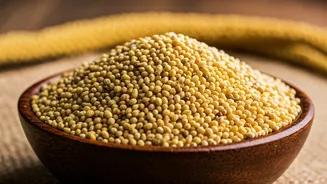
For many Americans, the word “millet” conjures images of birdseed. It’s a fair, if incomplete, association. But to dismiss millets as mere avian fare is to overlook a diverse group of small-seeded grasses that have sustained human civilizations for millennia.
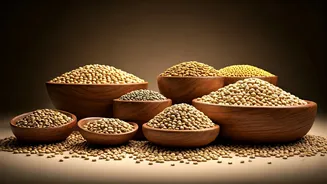
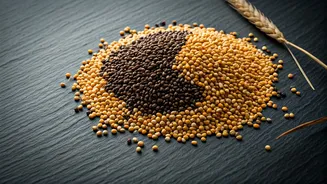
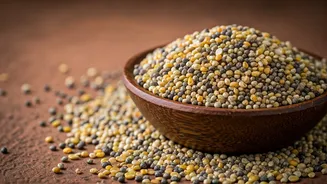
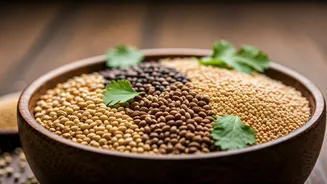
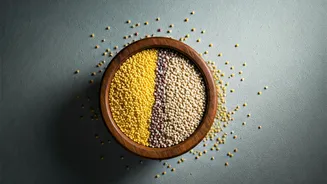
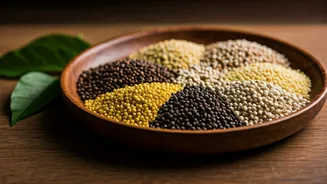
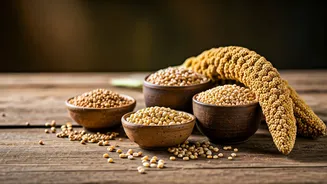
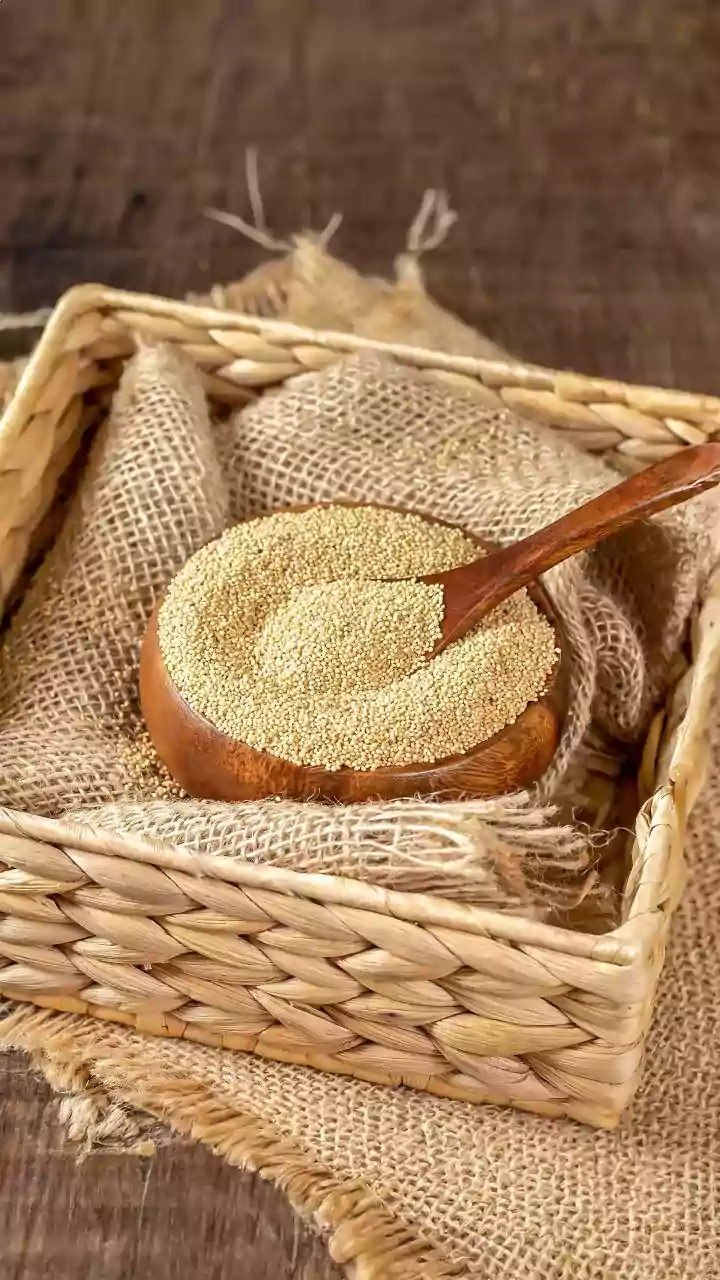
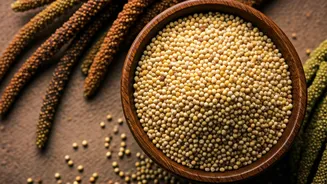
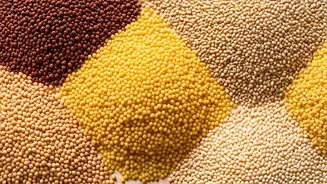
Unlike wheat or rice, “millet” isn’t a single type of plant. It’s a category that includes varieties like pearl millet (bajra), finger millet (ragi), foxtail millet (kangni), and sorghum (jowar). These grains are nutritional powerhouses—hardy, drought-resistant, and naturally gluten-free. They grow quickly in arid conditions with minimal water, making them a climate-smart crop that was once a dietary cornerstone across Asia and Africa long before modern agriculture narrowed our pantries.
A Tale of Two Revolutions
So if millets are so great, where did they go? In India, their decline can be traced to the Green Revolution of the 1960s. The push to combat famine prioritized high-yield crops like rice and wheat, which were heavily subsidized and promoted by the government. These water-intensive cash crops quickly displaced the vast fields of diverse millets that had defined regional diets for centuries. Millets were soon relegated to the status of “poor people’s food,” a coarse grain for rural areas, while polished white rice and refined wheat flour became symbols of urban prosperity and modernity. An entire generation grew up associating these new grains with progress, leaving the food of their ancestors behind.
The Superfood You've Overlooked
Today, as wellness culture shifts focus from empty calories to nutrient density, the very qualities that made millets a staple are making them a superfood. They are packed with protein, fiber, and essential minerals like magnesium and iron. With a low glycemic index, they release sugar into the bloodstream slowly, making them an excellent choice for managing blood sugar levels—a crucial benefit in a world grappling with rising rates of diabetes. For the millions of people navigating gluten intolerance or Celiac disease, millets offer a versatile and nutritious alternative to wheat-based products. They’re not just a substitute; they’re an upgrade, bringing a nutty, earthy flavor and a satisfying texture that refined grains lack.
Reclaiming a Culinary Heritage
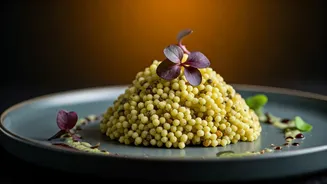
The resurgence of millets is about more than just nutrition; it’s about identity. For many in the Indian diaspora and in modern India, cooking with millets is an act of culinary archaeology. It’s about reconnecting with a version of Indian food that is authentic, sustainable, and deeply rooted in the land. Chefs in trendy Mumbai restaurants and home cooks in suburban American kitchens are swapping white rice for foxtail millet in a lemon-flavored pilaf, or using ragi flour to make springy, dark-hued dosas. They’re making fluffy upma with sorghum and baking hearty rotis with pearl millet flour. This isn’t about sacrificing flavor for health. It’s about discovering that the food of their grandparents wasn't just healthy by default—it was, and is, delicious. It proves that eating healthy doesn’t have to mean eating a quinoa salad; it can mean eating a comforting bowl of millet khichdi that tastes, unequivocally, like home.