

So, What Exactly Is Kairi?
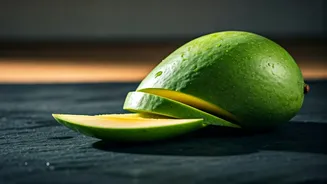
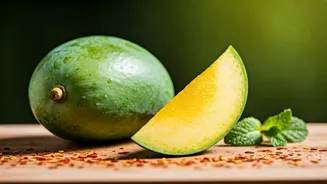
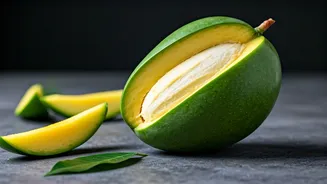
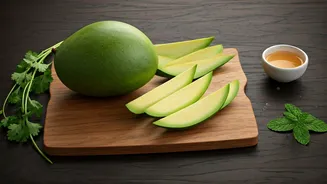
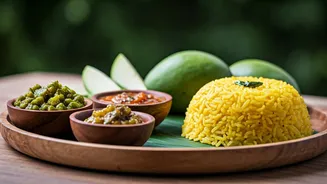
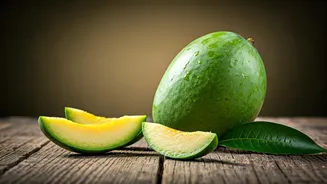
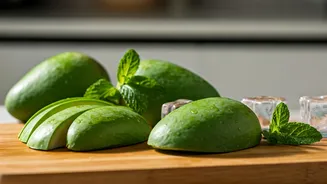
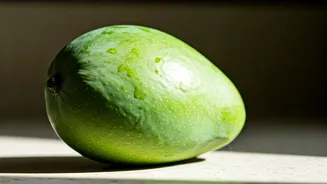
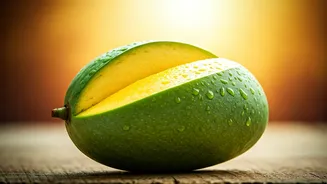
Before you can appreciate its magic, you need to know what you’re looking for. Kairi is the Hindi word for raw, unripe green mango. Forget the soft, sweet, sunset-hued mangoes you know and love. Kairi is its sharp-tongued, brilliantly acidic ancestor.
It’s firm to the touch, with a crisp, pale flesh and a clean, intensely tart flavor that can make your jaw clench in the best possible way. In India, the arrival of kairi season is a celebrated event, signaling the true start of summer and kicking off a frenzy of chopping, grinding, and pickling. It’s not a consolation prize for a mango that didn’t ripen; it’s a prized ingredient in its own right, valued for the very sharpness that sets it apart.
The Genius of Using the 'Scrap'
The American culinary mindset often obsesses over peak ripeness. We want the juiciest tomato, the sweetest berry. But cultures with longer histories of agricultural thrift know a powerful secret: every stage of a fruit's life offers a different kind of deliciousness. The headline’s 'sharpest scraps' framing captures this spirit perfectly. Using kairi isn’t about salvaging something inferior; it’s about embracing a different flavor profile entirely. Its high acidity makes it a natural preservative, perfect for pickles (achar). Its tartness cuts through heat and fat, balancing rich dishes. And its crisp texture adds a delightful crunch to salads and slaws. It’s a lesson in flavor architecture—understanding that sourness isn’t just a taste, but a tool for building more complex and satisfying meals.
Application 1: The Ultimate Summer Cooler
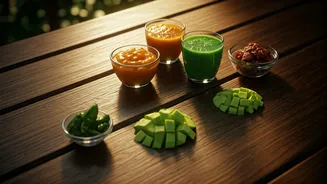
If you try only one kairi recipe, make it Aam Panna. This refreshing, restorative drink is the quintessential Indian antidote to a sweltering summer day. The process is simple: boil or roast the raw mangoes until the pulp is soft, then blend it with water, sugar (or jaggery), mint, and a pinch of roasted cumin and black salt. The result is a sweet, tangy, and slightly savory beverage that’s unlike anything you’ve had before. It hits all the right notes, rehydrating your body while waking up your palate. It’s like a healthier, more interesting cousin to lemonade, and it’s the perfect way to introduce yourself to the flavor of raw mango.
Application 2: The Do-It-All Condiment
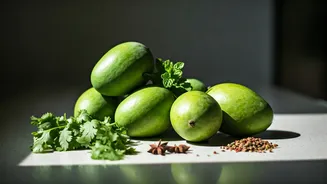
A simple kairi chutney is perhaps the most versatile thing you can make. It’s a vibrant, electric green sauce that instantly elevates anything it touches. Just toss a peeled, chopped raw mango into a blender with a big handful of fresh cilantro or mint (or both), a green chili or two for heat, a nub of ginger, a little salt, and a splash of water to get it moving. Blitz it into a smooth paste, and you’re done. This isn't a sweet, jammy chutney; it’s a fresh, pungent, and powerful flavor bomb. Spoon it over grilled chicken or fish, slather it on a sandwich instead of mayo, mix it into yogurt for a quick dip (raita), or serve it alongside samosas. It’s a five-minute recipe that delivers a month’s worth of flavor.
Application 3: Pickle Summer for Later
The most revered use for kairi is in achar, the complex and deeply flavorful Indian pickles. While traditional achar-making can be a multi-day affair involving sun-drying and long fermentation, you can capture its essence with a quick refrigerator pickle. Finely dice a firm kairi and toss it with salt, red chili powder, turmeric, and crushed mustard seeds. Add a splash of a neutral oil like grapeseed, pack it into a clean jar, and let it sit in the fridge for a day or two for the flavors to meld. The mango will soften slightly but retain its bite, creating a crunchy, spicy, and sour condiment that adds a jolt of excitement to a simple meal of rice and dal, or even just a piece of toast. It’s a way to bottle that sharp summer energy and enjoy it for weeks to come.