



The Real Allure of the Off-Season
Let’s reframe the dreaded “rainy season.” For most popular destinations, peak season means peak prices, long lines, and attractions so crowded you can barely snap a photo. In contrast, the monsoon, or green season, is the travel world’s best-kept secret.
The primary draw is value. Flights and accommodations can see significant price drops, allowing your budget to stretch further—perhaps toward a luxury hotel you couldn’t otherwise afford. Beyond the savings, the experience itself is transformed. Imagine having the temples of Angkor Wat or the beaches of Phuket almost to yourself, experiencing them with a sense of peace and quiet that’s impossible in January. This isn’t about canceling a trip because of rain; it’s about strategically choosing a time when a destination can reveal a different, more authentic side of itself.
Not All Monsoons Are Created Equal
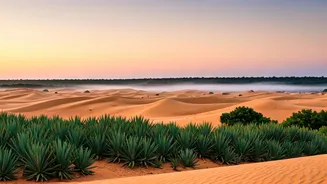
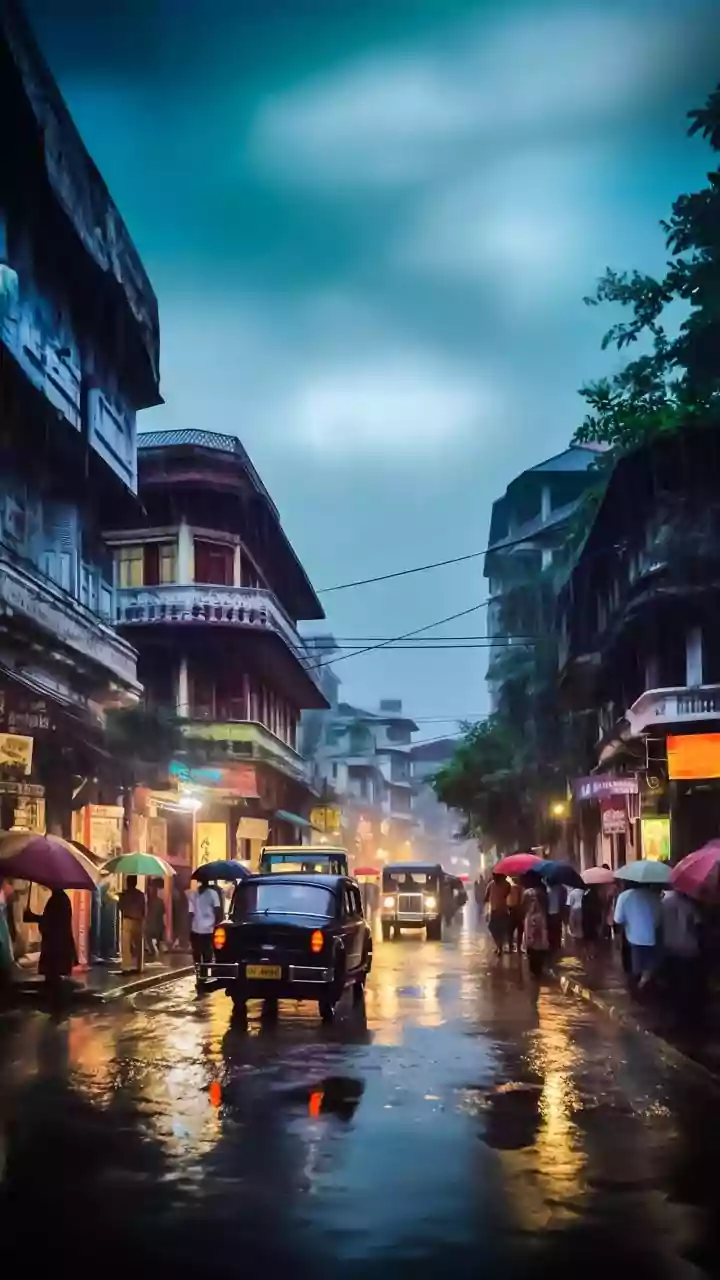
The word “monsoon” might conjure images of month-long, non-stop deluges, but the reality is often far more manageable. It’s crucial to understand the specific weather patterns of your chosen destination. In much of Southeast Asia (like Thailand or Vietnam), the rainy season often involves intense but brief downpours in the afternoon, leaving mornings and evenings clear for exploration. In Central America, Costa Rica’s green season follows a similar pattern, with afternoon showers nourishing a spectacularly lush landscape. Meanwhile, the North American Monsoon in the Southwest U.S. brings dramatic, localized thunderstorms that cool down the desert heat and create stunning sunsets. Research is key. A monsoon in Mumbai is a powerful, city-altering event, while a rainy-season trip to Bali might just mean you need to plan your beach time for the morning.
Lush Landscapes and Lower Prices
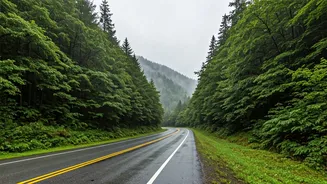
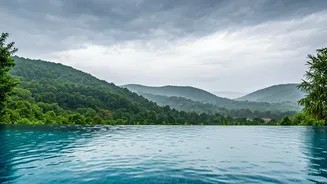
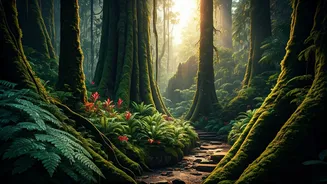
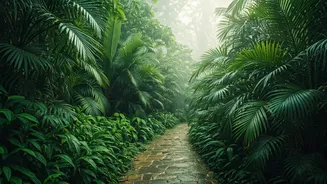
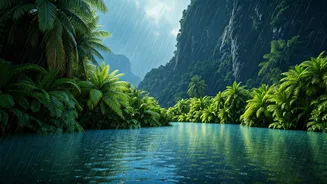
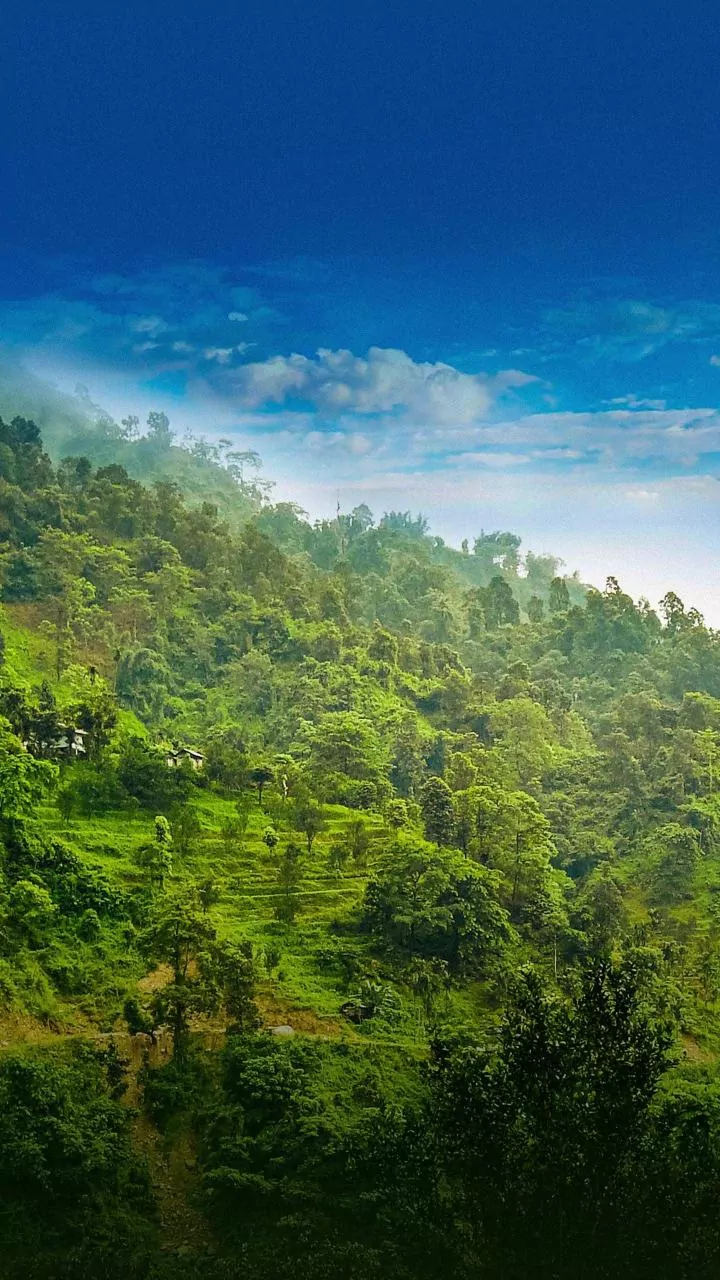
The most visible benefit of rainy-season travel is the scenery. Landscapes that are dry and dusty during peak season burst into vibrant life. Rice paddies in Bali become a tapestry of electric green, waterfalls in Costa Rica that are mere trickles in the dry season roar with power, and the Arizona desert blooms with unexpected wildflowers. This is a dream for photographers, who also benefit from the dramatic, cloud-filled skies that create softer light and more dynamic compositions than the harsh glare of constant sun. The air feels cleaner, the dust has settled, and there's a freshness that you simply won't find in the high-and-dry tourist months. This sensory richness, combined with significant cost savings on everything from tours to five-star resorts, makes a compelling case for embracing the clouds.
Navigating the Practical Challenges
Of course, it’s not all verdant vistas and budget bliss. Traveling during the monsoon requires a flexible mindset and practical preparation. High humidity can be uncomfortable, and mosquitoes are more prevalent, so insect repellent is non-negotiable. Travel disruptions are a real possibility. In coastal regions, rough seas can lead to canceled ferry services, and in mountainous areas, heavy rain can cause landslides that block roads. Some national parks or hiking trails may close temporarily for safety reasons. You need to be prepared for plans to change. This isn't the type of trip for a tightly packed, minute-by-minute itinerary. It’s for the traveler who can happily pivot from a planned beach day to an afternoon spent reading in a cozy café or taking a local cooking class.
Your Monsoon Travel Playbook
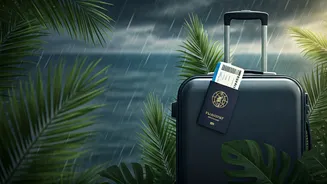
Success lies in smart planning. First, pack accordingly: lightweight, quick-drying clothes (synthetics are better than cotton), a reliable waterproof jacket, and waterproof bags or dry sacks for electronics are essential. Choose footwear you don't mind getting wet—think waterproof sandals or sturdy water shoes, not just sneakers. Second, build buffer days into your schedule. Don’t plan to fly out the morning after a ferry ride from a remote island; give yourself a cushion in case of delays. Third, choose your location wisely. Some regions within a country are less affected by the monsoon than others. For example, when it's rainy on Thailand's west coast (Phuket, Krabi), the Gulf coast (Koh Samui, Koh Phangan) is often drier. Finally, embrace the flow. Use the rainy afternoons for a spa treatment, a museum visit, or simply watching the storm roll in from the comfort of your balcony.