


The Flavor of Memory
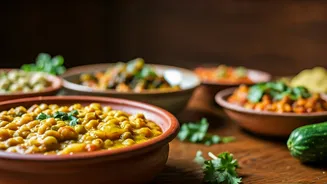
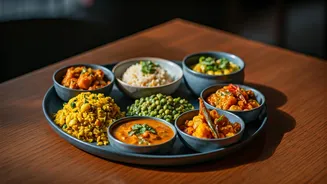
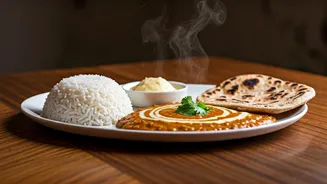
Think of a celebratory Indian meal, and your mind likely goes to platters of buttery naan, bowls of creamy dal makhani slow-simmered for hours, and fragrant biryanis glistening with ghee. These dishes are more than just food; they are edible archives
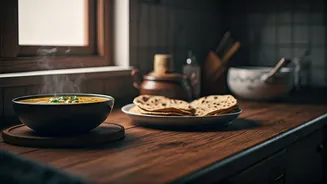
of family history, vessels of parental love, and the centerpiece of community gatherings. For millions of Indian Americans, the taste of home is complex, layered, and often, unapologetically rich. The generous use of cream, sugar, and clarified butter (ghee) is not just for flavor—it’s a language of abundance and affection. A soft, flaky paratha isn't just breakfast; it's the memory of a grandmother's hands patiently rolling out the dough. This is nostalgia at its most potent, a sensory connection to heritage that provides comfort and a deep sense of belonging.
A Modern Health Reckoning
But as the children and grandchildren of immigrants navigate their identities in the U.S., they are also steeped in a parallel culture of wellness. They read about anti-inflammatory diets, track their macros, and are acutely aware of the health risks, like heart disease and diabetes, that are prevalent in the South Asian community. This creates a cultural crossroads. How can you reconcile the deep love for traditional foods with the knowledge that many classic preparation methods are at odds with contemporary health advice? The answer, for many, is not to abandon the food of their ancestors but to thoughtfully adapt it. It's a quiet revolution happening in home kitchens and on food blogs, driven by a desire to preserve culture without sacrificing personal well-being.
The New Indian Kitchen
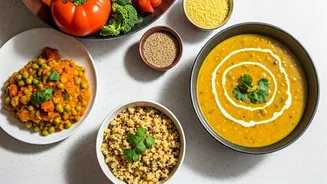
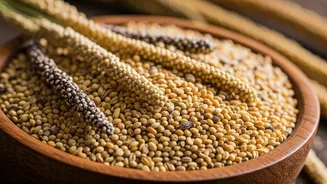
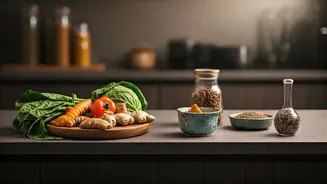
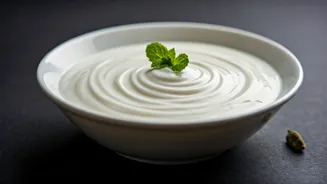
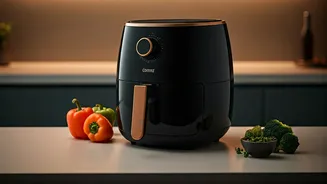
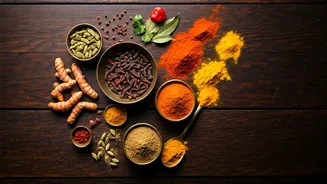
This new approach is about smart swaps and modern techniques, not about bland deprivation. The goal is to lighten the load while keeping the soul of the dish intact. That might mean replacing white rice with nutrient-dense quinoa or millets in a biryani, retaining the spices and aroma but boosting the fiber. It looks like using Greek yogurt or cashew cream to give a curry its luscious texture instead of heavy cream. Ghee, prized for its nutty flavor, is used more judiciously, or sometimes swapped for avocado oil in everyday cooking. Samosas and pakoras, traditionally deep-fried, are getting a 21st-century makeover in the air fryer, emerging impossibly crisp with a fraction of the oil. Cookbook authors and influencers like Priya Krishna and Hetal Vasavada have become guides in this space, showing a generation how to make their beloved mattar paneer or chicken tikka in a way that feels both authentic and aligned with a health-conscious lifestyle.
More Than Just a Diet
This movement is far more profound than a simple diet trend. It's an act of cultural negotiation and ownership. For many second- and third-generation Indian Americans, cooking is a primary way to connect with a heritage they may not have experienced firsthand. By reinterpreting these recipes, they are not rejecting tradition; they are actively participating in its evolution. They are claiming their cuisine and making it their own, ensuring it fits into their modern lives. It’s a way of saying, “This is my culture, too, and I will shape it to be sustainable for my future and the future of my family.” This thoughtful adaptation ensures that the flavors of nostalgia aren’t relegated to a once-a-year treat but can remain a vibrant, nourishing part of daily life.