

First, What Exactly Are Millets?
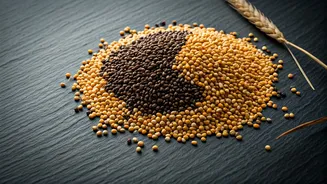
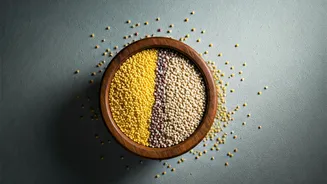
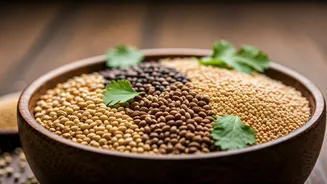
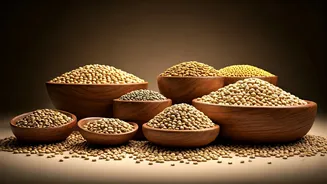
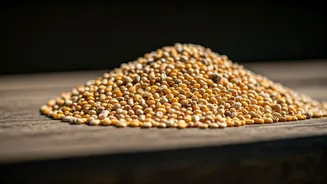
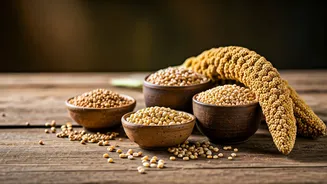
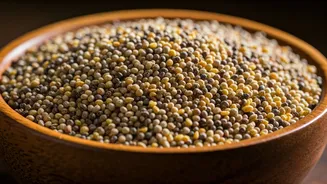
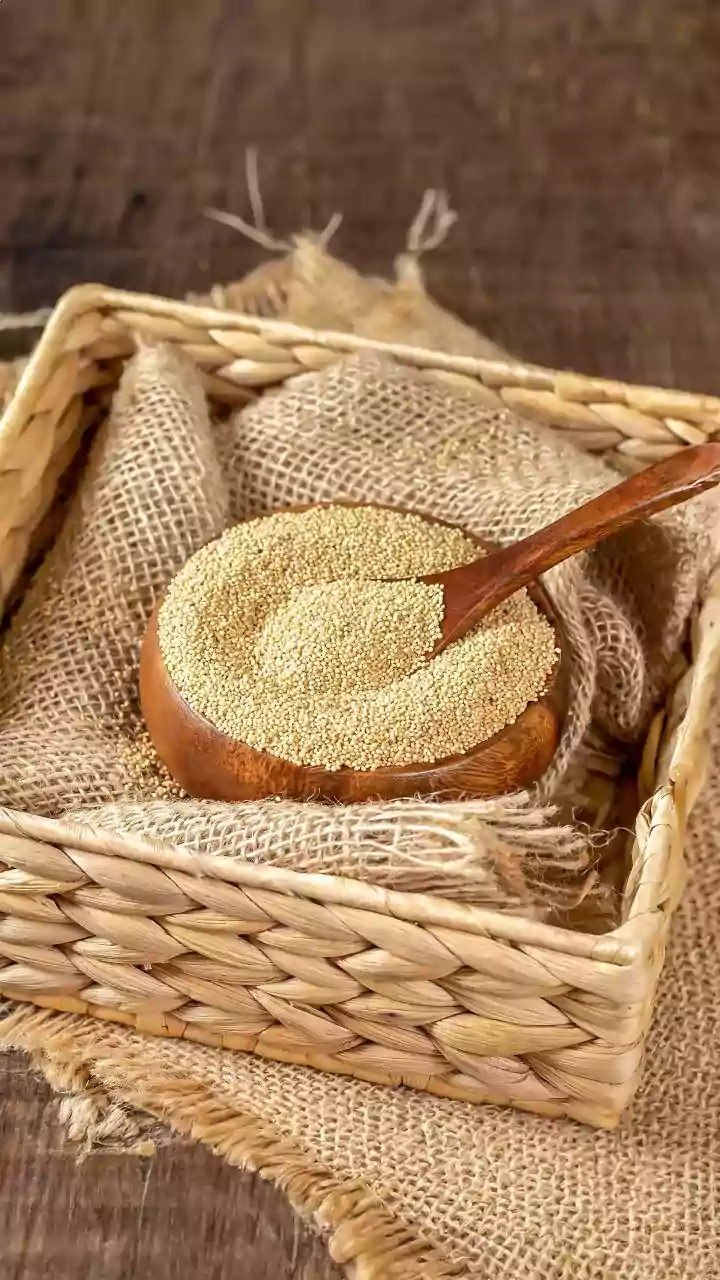
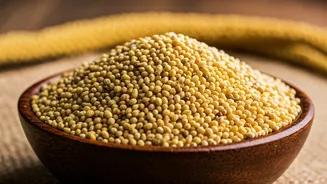
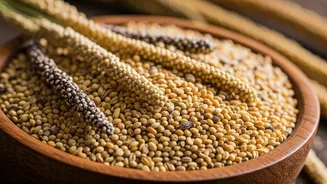
If you’re picturing a single type of grain, think again. 'Millet' is a catch-all term for a group of small-seeded grasses that have been cultivated for thousands of years across Africa and Asia. They are some of humanity's oldest foods. While quinoa and farro
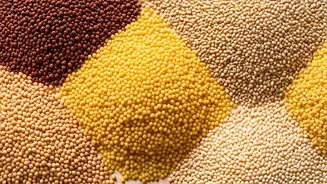
have enjoyed the spotlight in the U.S., millets are their hardy, versatile cousins. Varieties include pearl millet (bajra), foxtail millet (kangni), finger millet (ragi), and even sorghum (jowar), which many Americans might know as a syrup or livestock feed. These aren't niche health store oddities; they are foundational crops that fed civilizations long before industrial agriculture. They are naturally gluten-free, packed with fiber, protein, and micronutrients, and have a low glycemic index, making them a smart choice for sustained energy—exactly what you want to start your day.
The Comeback of an Ancient Grain
For decades, millets were considered 'poor man's food' in India. During the Green Revolution of the 1960s, government policies and subsidies heavily favored the production of high-yield wheat and rice. These crops became aspirational, pushing millets to the margins, often relegated to rural or arid regions where other crops couldn't survive. But now, the script has flipped. A perfect storm of factors is driving their resurgence. Growing awareness of lifestyle diseases like diabetes and heart disease has urban Indians searching for healthier alternatives to refined grains. Simultaneously, climate change is highlighting one of millet’s greatest strengths: resilience. Many varieties are drought-resistant and require significantly less water than rice or wheat, making them a crucial crop for a sustainable future. This comeback has been so significant that the Indian government successfully campaigned for the United Nations to declare 2023 the 'International Year of Millets,' putting a global spotlight on these forgotten grains.
How Breakfast Got a Millet Makeover
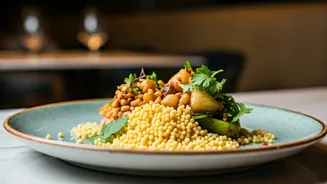
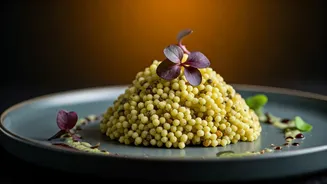
So how is this playing out on the plate? The transformation is most visible in the morning. Traditional breakfast staples are being reimagined with a healthy twist. Instead of a standard rice-and-lentil batter for dosas (savory crêpes), families are now using ragi (finger millet), which yields a dark, earthy, and incredibly nutritious version. Upma, a popular savory porridge typically made with semolina, is now frequently made with foxtail millet or barnyard millet for a fluffier, fiber-rich dish. You can find millet flakes replacing processed corn flakes, and millet flour being mixed into everything from breakfast breads to pancakes. Startups and established food brands have flooded the market with ready-to-cook millet mixes, pastas, and porridges, making it easy for busy urban families to incorporate these grains without a steep learning curve. It’s a seamless blend of tradition and modern convenience, making healthy eating feel like a rediscovery, not a chore.
Why This Matters Beyond India
This isn't just a story about breakfast in Mumbai or Delhi. India's millet revival is a blueprint for how a country can look to its agricultural heritage to solve modern problems. For farmers in dry regions, a robust market for millets provides a more stable livelihood, less dependent on unpredictable monsoons. For the environment, it means promoting biodiversity and reducing the strain on water resources. And for the rest of the world, it’s a powerful reminder that the solutions to many of our dietary and environmental challenges might be found in the 'ancient grains' that have been overlooked for far too long. Just as quinoa went from an obscure Andean grain to a global supermarket staple, millets are poised for their own moment. The trend in India shows that with the right mix of cultural pride, health consciousness, and government support, forgotten foods can become future-facing solutions.