




West Bengal: Where History Is a Contact Sport
To understand football in India, you have to start in Kolkata, the capital of West Bengal. Here, the beautiful game isn't just a sport; it's a century-old cultural battleground. For American readers, let’s be clear: we’re talking about soccer. While the British
Empire spread cricket across most of the subcontinent, in Kolkata, they also left a legacy of football clubs. Two of them, Mohun Bagan (founded in 1889) and East Bengal (founded in 1920), became vessels for regional identity. Their rivalry, the Kolkata Derby, is one of the most intense in all of world football, regularly drawing crowds of nearly 100,000. It’s a clash rooted in social strata and historical migration patterns—think Red Sox vs. Yankees, but with over 100 years of deeply layered sociopolitical history fueling the fire. In West Bengal, your family’s club allegiance is as much a part of your identity as your name.
Kerala: Brazil and Argentina’s Southern Outpost
Travel down to the lush, tropical state of Kerala on the southwestern coast, and you’ll find a different flavor of football mania. Keralites' passion isn't just for local clubs; it's global. During every FIFA World Cup, the state transforms. Giant murals of Messi and Neymar adorn buildings, and entire villages are draped in the blue and white of Argentina or the yellow and green of Brazil. This isn't a casual interest; it's a deep-seated, generational love affair with South American football, seen as a more artful and passionate style of play. Beyond the World Cup, the state is famous for its unique “sevens football” tournaments—a high-octane, seven-a-side version of the game played on smaller pitches, often drawing huge local crowds and featuring players from across India and even Africa. It’s a grassroots phenomenon that keeps the sport alive and thriving year-round, far from the glare of the Indian Premier League for cricket.
Goa: A Legacy of Portuguese Flair
Unlike most of India, which was under British rule, the coastal state of Goa was a Portuguese colony for over 450 years, until 1961. That distinct history left an indelible mark on its culture, from its cuisine and architecture to its favorite sport. While the rest of India was learning to bowl a googly, Goans were falling in love with football. The sport is woven into the fabric of Goan life, played on its famous beaches and in its villages. The state has a proud history of producing top-tier clubs like Dempo, Salgaocar, and Churchill Brothers, which have dominated India’s national leagues for decades. The fandom here is less about fierce rivalry and more about a celebration of skillful, stylish play—a reflection of the state's laid-back, or *susegad*, lifestyle. For Goans, football feels like a natural inheritance, a cultural connection to a different part of Europe.
The Northeast: The Modern Talent Pipeline
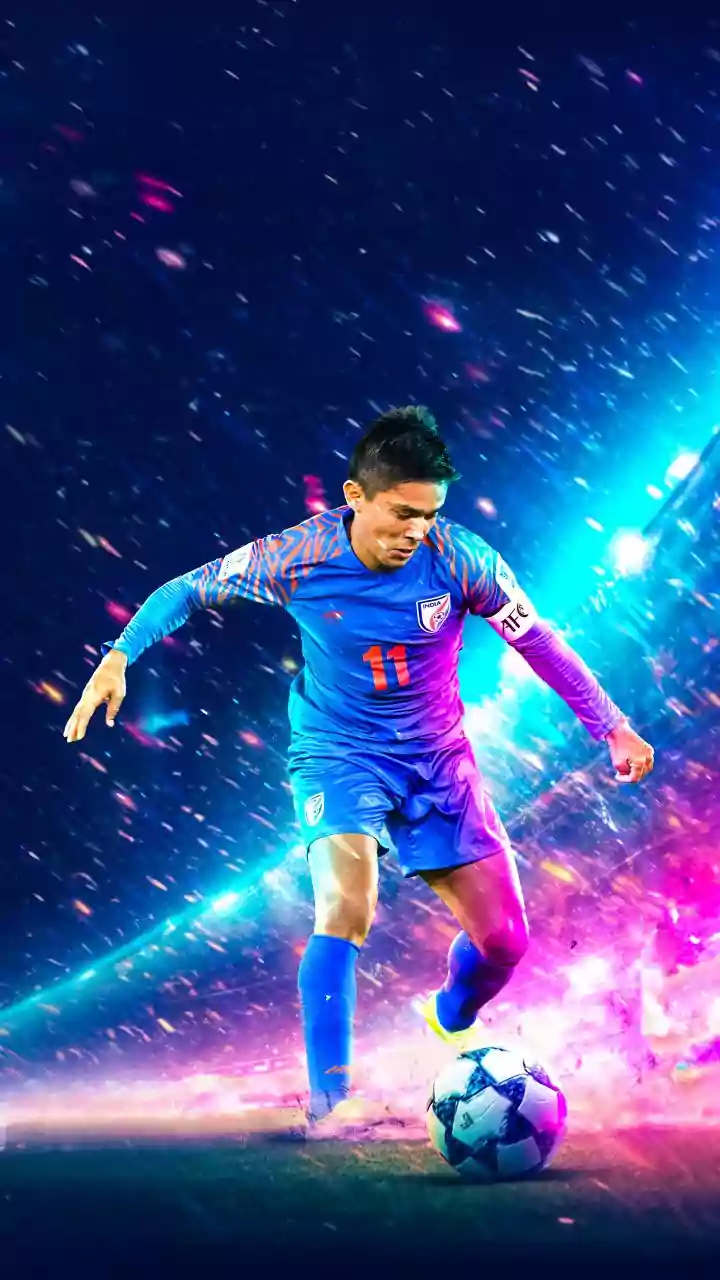
Perhaps the most vibrant football hotbed in modern India is the cluster of states in the country’s northeast, including Manipur, Mizoram, Meghalaya, and Sikkim. In this region, geographically and culturally distinct from the Indian mainland, football is more than a pastime—it’s a primary avenue for social mobility and national recognition. For decades, young, talented players from the Northeast have seen the sport as their ticket to a professional career and a way to represent their communities on a bigger stage. The result? This region has become a veritable talent factory, producing a disproportionately high number of players for the Indian national team and the top professional league, the Indian Super League. In states like Mizoram, the local league is wildly popular, with packed stadiums and a level of community engagement that cricket can only dream of. Here, football isn't just popular; it’s the future.