



The Age of Aspirational Eating
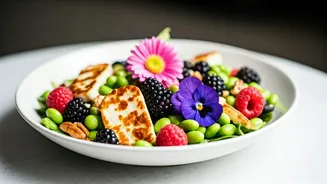
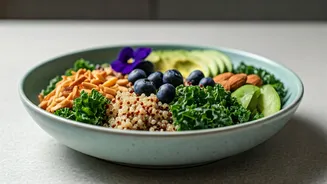
Remember the peak wellness era of the 2010s? It was a time defined by an almost competitive pursuit of 'clean eating.' Health was an aesthetic, curated for an Instagram grid. The stars of this show were exotic and expensive: goji berries flown from the Himalayas,
maca powder from the Peruvian Andes, artfully arranged açai bowls that cost more than a full lunch, and cold-pressed juices that promised a full-body reset for $12 a bottle. This wasn't just about nutrition; it was about status and identity. The ability to afford and prepare these foods signaled that you were in-the-know, disciplined, and dedicated to a certain kind of optimized life. The pressure was immense. A simple apple felt inadequate next to a dragon fruit. A standard dinner of chicken and vegetables seemed mundane compared to a spiralized zucchini 'pasta' with a cashew-based 'cheese' sauce. For many, healthy eating became another source of anxiety—a costly, time-consuming, and often confusing hobby rather than a sustainable part of daily life.
The Great Burnout and the Pivot to Practicality
So, what changed? In short, reality set in. The pandemic forced a collective reassessment of priorities, bringing a new appreciation for resilience and resourcefulness. Supply chain disruptions reminded us of the value of a well-stocked pantry. Then came inflation, squeezing grocery budgets and making a $15 smoothie seem not just frivolous, but absurd. This economic pressure coincided with a growing cultural burnout from the relentless performance of online life. People grew tired of the endless cycle of aspirational content and began craving authenticity. We saw the rise of anti-trends, from the unapologetically simple 'girl dinner'—a snack plate of whatever is in the fridge—to a renewed embrace of 'boring' meals. The public is more aware than ever of the flimsy science behind many wellness claims and more skeptical of influencers pushing miracle products. The collective exhaustion created an opening for a new philosophy: what if healthy eating wasn't about being perfect, but about being practical?
Meet the New Superfoods: Beans, Oats, and Cabbage
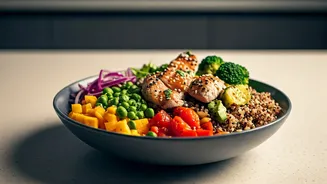
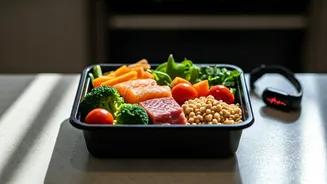
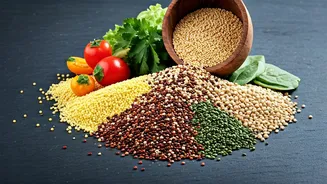
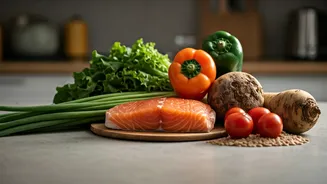
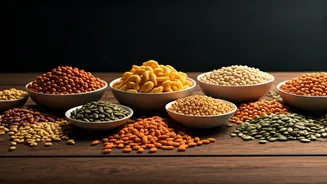
The new era of healthy eating is defined by its utility. It’s less about exotic origins and more about nutrient density, affordability, and versatility. The new heroes of the health food aisle aren't new at all; they're the humble, reliable staples that were always there. Think canned beans and lentils, which are packed with protein and fiber for pennies per serving. Think frozen spinach, which is just as nutritious as fresh (and sometimes more so) but won't wilt in your crisper drawer. Consider the power of oats, cabbage, potatoes, and eggs. These foods don't require a special trip to a high-end grocer or a deep dive into wellness blogs. They are accessible, cheap, and form the backbone of countless healthy, satisfying meals. The focus has shifted from *what* rare thing you can add to your diet to *how* you can consistently build balanced meals from ingredients that are readily available. It’s a return to the foundational principles of nutrition, championed by registered dietitians who have been saying this all along: eat more plants, prioritize fiber, and don't fear carbohydrates.
A More Inclusive and Sustainable Mindset
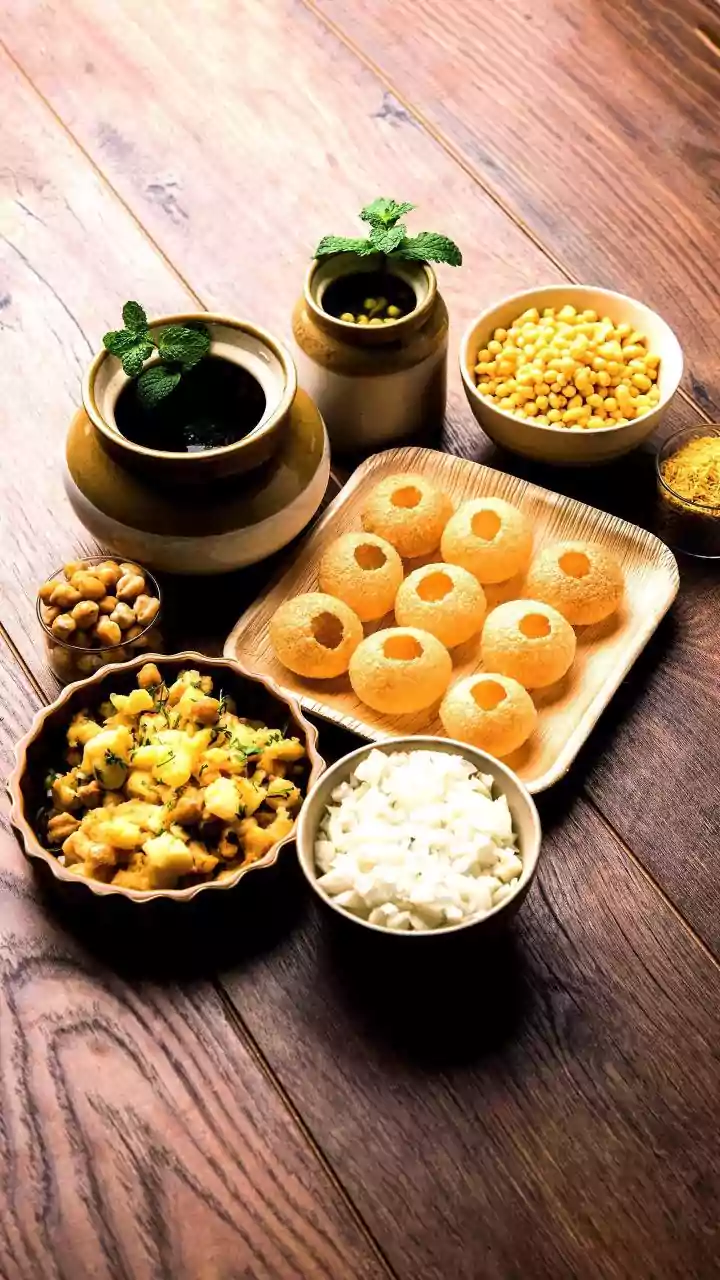
This shift is more than just a change in grocery lists; it’s a profound change in mindset. By decoupling health from wealth and aesthetics, 'useful' eating is inherently more inclusive. It acknowledges that a nutritious life shouldn't require a high income or hours of elaborate meal prep. It makes space for cultural diversity, honoring traditional foods that have nourished communities for centuries without needing a 'superfood' label. More importantly, it’s a more sustainable approach for our mental health. It frees us from the tyranny of perfectionism and the moral anxiety that the old wellness culture fostered. When your goal is simply to get a vegetable and a protein on the plate, you eliminate the decision fatigue and guilt that so often accompany mealtime. This isn’t about 'giving up'; it’s about strategically deploying your time, money, and energy where they matter most. It’s about realizing that a truly 'healthy' lifestyle is one you can actually maintain without burning out.