
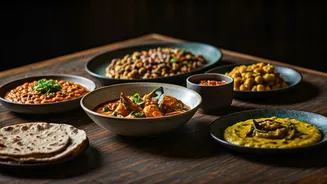


Beyond the Buffet Line
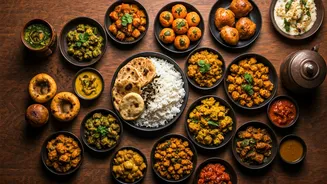
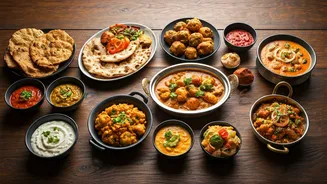
When you think of Indian food, what comes to mind? For most Americans, it’s a familiar lineup: creamy chicken tikka masala, buttery naan, and maybe a fiery vindaloo. These dishes, while delicious, are the equivalent of America being known only for its
steakhouse dinners—a specific, occasion-based slice of a much larger, more diverse culinary pie. They represent the first wave of Indian cuisine in the U.S., designed to be bold, impressive, and restaurant-worthy. But what Indians eat at home is often an entirely different story. It’s simpler, subtler, and deeply nourishing. Now, thanks to a new generation of chefs, cookbook authors, and home cooks sharing their heritage online, this soulful, everyday food is finally stepping into the American spotlight, signaling a major shift in how we understand one of the world's great cuisines.
The Gentle Power of Khichdi
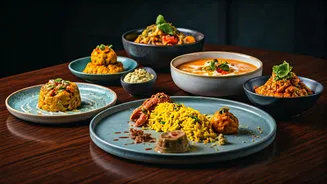
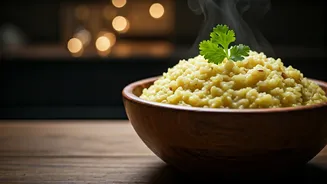
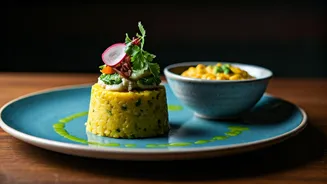
If there’s one dish that embodies this trend, it’s khichdi. At its core, it’s a humble, one-pot meal of rice and lentils, often seasoned with a touch of turmeric and cumin, and finished with a spoonful of ghee. It’s the first solid food an Indian baby eats, the restorative meal you turn to when you’re feeling under the weather, and the simple dinner that requires almost no effort. But don’t mistake simple for bland. Khichdi is a canvas. In the west, it might be made with millet and topped with seasonal vegetables; in the south, it could be creamier and laced with coconut. Its arrival on modern Indian restaurant menus in cities like New York and San Francisco isn't a gimmick; it’s a statement. It declares that the pinnacle of Indian cooking isn’t always complex spice blends, but can also be found in the perfect, nurturing simplicity of a single bowl.
From Breakfast Bowls to Soulful Soups
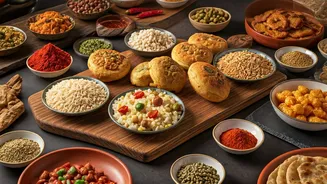
The trend extends far beyond a single dish. Look for poha, a breakfast staple made from flattened rice flakes, lightly sautéed with onions, potatoes, and peanuts—a savory, light, and wonderfully textured alternative to oatmeal. Or upma, a thick porridge made from dry-roasted semolina that’s popular in Southern India, often studded with vegetables and cashews. There’s also the universe of dal. Not just the thick, creamy dal makhani of restaurant fame, but the simple, soupy, everyday dals that are the backbone of home cooking across the subcontinent. These are often thin, bright with lemon or tomato, and tempered with a final sizzle of spices in hot oil—a technique called tadka or chhonk. Each of these dishes prioritizes nourishment, ease, and a sense of well-being, feelings that resonate universally.
Why Now? The Culture Shift
So why is this happening in the mid-2020s? Several forces are converging. First, the Indian diaspora in the U.S. has matured. Second- and third-generation Indian Americans are confidently exploring and celebrating the nuances of their heritage, moving beyond the need to present a single, monolithic version of their culture. Social media is another massive driver. On TikTok and Instagram, videos of home-style Indian cooking go viral, demystifying dishes and making them feel accessible. Aesthetically pleasing bowls of golden khichdi or vibrant poha are perfectly suited for a visual world. Finally, there’s a broader American wellness trend. As consumers increasingly seek out foods that are unprocessed, plant-forward, and gut-friendly, the foundational principles of Indian home cooking—built on lentils, vegetables, and digestible grains—feel incredibly relevant. It’s the perfect intersection of cultural authenticity and modern health consciousness.