






The All-Star Oil for Your Scalp
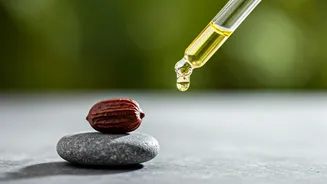
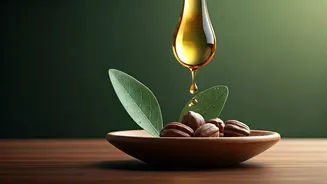
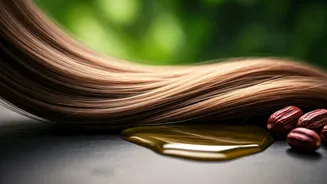
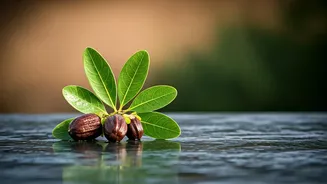
While the beauty world is saturated with complex serums and treatments, the solution to scalp dryness often lies in a simple, natural powerhouse: jojoba oil. If you’re going to start with just one oil, make it this one. Pronounced ho-ho-ba, this golden
liquid wax is extracted from the seeds of a shrub native to the American Southwest. What makes it the MVP of scalp care? Its molecular structure is remarkably similar to sebum, the natural oil our skin produces. This means your scalp recognizes it, allowing it to absorb easily without clogging pores or leaving behind a heavy, greasy film. It hydrates the skin, soothes dryness-related irritation, and helps dissolve excess sebum buildup that can lead to flakiness often mistaken for dandruff. Unlike heavier oils that can weigh hair down, jojoba is lightweight enough for most hair types, making it the perfect gateway oil for anyone new to scalp treatments.
Your Step-by-Step Oiling Ritual
Applying scalp oil isn't just about dumping it on your head; a little technique turns it from a chore into a luxurious self-care moment. Follow this simple process once or twice a week before you plan to wash your hair. 1. **Start with dry hair.** Part your hair into sections to expose the scalp. This makes application more targeted and efficient. 2. **Apply sparingly.** Using a dropper or your fingertips, apply a few drops of jojoba oil directly onto the scalp along the part lines. A little goes a long way—you’re treating the skin, not saturating your hair. 3. **Massage it in.** This is the most important step. Using the pads of your fingers (not your nails), gently massage the oil into your scalp with firm, circular motions for 3-5 minutes. This not only ensures even distribution but also stimulates blood flow to the follicles and provides a welcome stress-relief benefit. 4. **Let it sit.** Allow the oil to penetrate for at least 30 minutes. For a deeper treatment, you can leave it on for a few hours or even overnight by protecting your pillow with a towel or wearing a silk cap. 5. **Wash it out thoroughly.** To remove the oil without leaving residue, apply shampoo directly to your dry, oiled scalp and work it into a lather *before* adding water. Then, add water and wash as usual. You may need to shampoo twice to ensure all the oil is gone.
Other Oils for Your Arsenal
While jojoba is a fantastic all-rounder, different oils offer unique benefits. As you get comfortable with scalp oiling, you might want to build a small arsenal to address specific needs. * **For Deep Moisture: Coconut Oil.** Rich in fatty acids, coconut oil is an intense moisturizer. It’s best for very dry, thick, or coarse hair, as it can be too heavy for fine hair types and potentially clog pores on acne-prone skin. * **For Lightweight Shine: Argan Oil.** Often called “liquid gold,” argan oil is packed with vitamin E and antioxidants. It's lighter than coconut oil and great for moisturizing the scalp and adding shine to hair without feeling greasy. * **For a Stimulating Boost: Rosemary Oil.** This is an essential oil, not a carrier oil, so it must be diluted. Add a few drops to your jojoba or argan oil. Rosemary oil is celebrated in hair care circles for its ability to invigorate the scalp and is often used by those looking to support hair fullness and strength.
Common Mistakes to Avoid
To get the most out of your scalp treatment, steer clear of a few common missteps. First, don't overdo it. Using too much oil will make it difficult to wash out and can leave your hair looking limp and greasy. Start with a small amount and add more only if needed. Second, be mindful of your scalp type. If you have an oily scalp, a pre-shampoo oil treatment can still be beneficial for balancing oil production, but don't leave it on for more than an hour. Finally, listen to your skin. If you experience any irritation, redness, or breakouts, discontinue use and try a different oil. Always perform a patch test on a small area of skin before applying a new oil to your entire scalp, especially if you have sensitive skin.