





What Exactly Is This Trend?
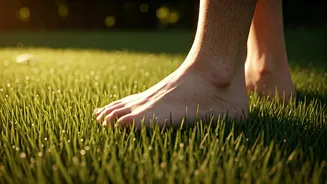
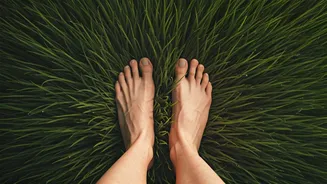
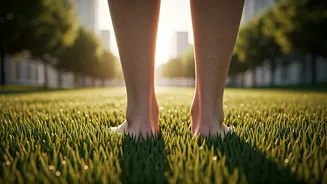
At its core, 'barefoot grass walking' is exactly what it sounds like: taking off your shoes and socks to walk on a natural surface. The 'intervals' part adds a crucial corporate wellness spin. It’s not about a two-hour hike; it’s about structured, short
breaks—five, ten, or fifteen minutes—integrated into the workday. Instead of another coffee or a scroll through your phone, you take a deliberate, sensory break outdoors. This isn’t just a new-age fantasy; it’s a simple, actionable response to the well-documented burnout and stress plaguing the American workforce. Companies are constantly searching for low-cost, high-impact ways to improve employee well-being, and a trend that requires only a patch of grass and a willingness to feel the earth under your feet is undeniably attractive.
The Theory of 'Grounding'
The barefoot component is rooted in a concept called 'earthing' or 'grounding.' Proponents of this practice believe that direct physical contact with the vast supply of electrons on the surface of the Earth can benefit the human body. The theory is that our modern lifestyle—rubber-soled shoes, insulated homes, and indoor jobs—disconnects us from this natural energy. By walking barefoot on soil, sand, or grass, we supposedly allow our bodies to absorb these free electrons, which are said to act as antioxidants, neutralizing damaging free radicals. Some small-scale studies have explored grounding's potential to reduce inflammation, improve sleep, and lower levels of cortisol, the body's primary stress hormone. While the scientific community remains divided and more rigorous research is needed, the core idea taps into an intuitive feeling that connecting with nature is fundamentally good for us.
It's Not Just Your Feet, It's Your Brain
Even if you’re skeptical about the electrical science of grounding, the benefits of stepping into green space are robustly documented. This is the principle of biophilia: the idea that humans have an innate tendency to seek connections with nature. A wealth of research shows that even brief exposure to natural environments can lower blood pressure, reduce rumination (the cycle of negative thoughts), and improve cognitive function. The simple act of looking at the color green has been shown to have a calming effect. When you’re walking on grass, you’re not just feeling the blades under your feet; you're engaging multiple senses—the smell of the earth, the feeling of a breeze, the sound of leaves—which pulls your brain out of the narrow focus of a spreadsheet and into the present moment. This 'soft fascination' allows your directed attention to rest and recharge, making you more effective when you return to your desk.
Why 'Intervals' Are the Secret Sauce
The 'intervals' part of the equation is just as important as the barefoot walking itself. The human brain isn't designed for eight consecutive hours of high-concentration work. Productivity experts have long known that performance declines sharply without breaks. Techniques like the Pomodoro Method—working in focused 25-minute bursts with short breaks in between—are built on this principle. Structuring these breaks as 'barefoot grass walking intervals' elevates them from a simple pause to a restorative practice. It creates a ritual that separates work from rest far more effectively than just switching tabs to a social media site. This structured disengagement prevents decision fatigue and helps maintain a higher level of focus and creativity throughout the day. It’s a strategic retreat that boosts the quality of work upon return.
The Corporate Takeaway
For managers and HR leaders, this trend offers a powerful insight: employee wellness doesn’t always require expensive gym memberships or complicated programs. Sometimes, the most effective solutions are about creating permission and opportunity. Encouraging employees to take real breaks, providing access to a small patch of green space (if possible), and modeling this behavior from the top down can have an outsized impact on morale and stress levels. It signals a culture that values human well-being over performative 'busyness.' In an era where retaining talent is a top priority, fostering a work environment that actively combats burnout with simple, accessible tools is a significant competitive advantage.