





What is Nirjala Ekadashi?
On the Hindu calendar, Ekadashi marks the eleventh day of each of the two lunar phases in a month. Many Hindus observe this day with a partial or full fast. But among the 24 Ekadashis in a year, one stands apart for its sheer difficulty: Nirjala Ekadashi.
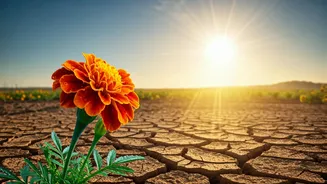
Occurring during the waxing moon phase in the summer month of Jyeshtha (typically May or June), 'Nirjala' literally translates to 'without water.' Devotees abstain from all food and, most challengingly, all water for the entire duration of the fast, which can last from sunrise on Ekadashi to sunrise the next day. The observance is primarily dedicated to Lord Vishnu, and it’s believed that successfully completing this single, tough fast can bestow the spiritual benefits of observing all 24 Ekadashis throughout the year. For generations, it has been a profound act of faith, a test of willpower, and a demonstration of devotion.
The Ultimate Test of Willpower
The no-water rule is what elevates Nirjala Ekadashi from a spiritual discipline to an extreme physical and mental challenge. Undertaking it, especially during the sweltering heat of early summer, requires significant preparation and resolve. The body’s immediate need for hydration becomes a constant, nagging reminder of the sacrifice being made. Proponents describe the experience as a powerful tool for sharpening focus and turning inward. By consciously denying the body its most basic demand, the mind is forced to detach from physical dependence and concentrate on prayer, meditation, and spiritual reflection. It’s an exercise in conquering impulse and demonstrating that devotion can transcend even the most urgent bodily needs. This element of extreme self-control is a key part of its appeal.
A Search for Authentic Experience
For many young Indian-Americans and Hindus across the U.S., observing this fast is less about family pressure and more about a personal quest for meaning. In a world saturated with digital noise and performative wellness, Nirjala Ekadashi offers something starkly authentic. It’s not something you can fake. You either do it or you don’t. This uncompromising nature provides a powerful antidote to the curated perfection of social media feeds. Younger devotees often describe the fast as a way to connect with their heritage on a deeper, more personal level than simply attending temple services or family rituals. It’s an earned experience, a private victory that fosters a powerful sense of spiritual accomplishment and inner strength. In an age of endless distractions, the singular focus required to complete the fast feels like a radical act of self-possession.
The Ancient 'Bio-Hack'
While the practice is rooted in ancient spirituality, its appeal is resonating with modern wellness trends. In a culture obsessed with intermittent fasting, 'dopamine fasts,' and digital detoxes, Nirjala Ekadashi can be seen as the ultimate spiritual and physical 'reset.' Many young participants speak about the fast in terms that blend modern health-consciousness with traditional faith. They see it as a chance to give their digestive system a complete rest, cleanse their body, and break cycles of mindless consumption, whether of food or content. This reframing doesn’t necessarily diminish its religious significance. Instead, it integrates it. For them, physical purity and spiritual purity are intertwined. The feeling of lightness, mental clarity, and heightened awareness reported after breaking the fast aligns perfectly with the goals of many secular wellness practices, making the ancient ritual feel remarkably relevant.
Finding Community, Online and Off
Instead of being a solitary struggle, the fast has become a communal experience, thanks in large part to social media. Young devotees use platforms like Instagram, TikTok, and YouTube to share their intentions, post encouraging messages, and ask for tips. Hashtags like #NirjalaEkadashi create a virtual support system where individuals feel connected to a global community undertaking the same challenge. Vlogs detailing the 24-hour journey, from the final meal to the moment of breaking the fast, serve as both inspiration and a practical guide for first-timers. This digital solidarity builds a bridge between a solitary act of faith and a shared cultural event. It normalizes the practice for those who may not have grown up with it, showing that it’s not an esoteric ritual for the elderly but a living, breathing tradition being actively shaped by a new generation.