







The Perfect Economic Storm
For years, the ’Internet of Things’ in the home was a high-end curiosity in India, reserved for the ultra-wealthy. That’s rapidly changing, thanks to a powerful convergence of economic forces. A burgeoning middle class with growing disposable income is now
looking for modern comforts and conveniences. As millions move into cities and buy new apartments, they’re not just looking for a place to live; they’re seeking a lifestyle upgrade. This demographic shift is creating a massive, receptive audience for smart home technology. Real estate developers, competing for these new buyers, have taken notice. What was once an aftermarket add-on is increasingly becoming a standard feature in new mid-range and premium housing projects, much like a modular kitchen or pre-installed air conditioning.
A Tech Ecosystem Built for Scale
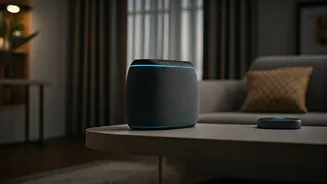
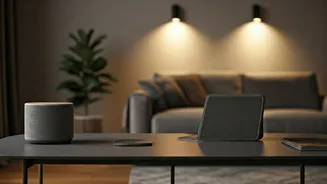
Economic aspiration alone doesn’t build a market. The technological foundation had to be there, and in India, it arrived with astonishing speed. The primary catalyst was the dramatic drop in mobile data prices, spearheaded by Reliance Jio, which made high-speed internet access nearly ubiquitous and incredibly affordable. Suddenly, a connected home wasn’t a strain on the monthly budget. This coincided with the aggressive entry of Amazon’s Alexa and Google’s Assistant into the Indian market. Offering their smart speakers at accessible price points and, crucially, with support for Hindi and other regional languages, they provided an easy and intuitive entry point into the IoT ecosystem. For many, a simple smart speaker that can play music, answer questions, and control a few lights is the gateway drug to a fully connected home.
What ’Smart’ Actually Means in India
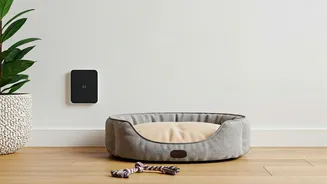
While an American smart home might evoke images of integrated thermostats and refrigerators that order milk, the Indian adoption curve looks a little different. The most popular devices are focused on immediate convenience and security. Think smart plugs that can turn any ’dumb’ appliance into a smart one, voice-controlled fans and lights to combat the heat and humidity, and affordable security cameras that offer peace of mind. These aren’t necessarily whole-home, system-wide integrations. Instead, it’s a more modular, à la carte approach. Consumers are buying individual products from brands like Wipro, Syska, and Xiaomi that solve specific problems without requiring a massive upfront investment or complex installation. This pragmatic focus on utility over novelty is key to its mainstream appeal.
From Gadget to Standard Feature
Perhaps the most telling sign of the trend’s momentum is its integration into the real estate market. Top developers are now partnering with tech companies to offer ’smart-enabled’ apartments as a key differentiator. In cities like Bengaluru, Pune, and Mumbai, new residential towers are being marketed with built-in features like video doorbells, digital locks, and pre-wired lighting and climate control systems. This fundamentally shifts the narrative. IoT is no longer something you bring into your home; it’s something the home comes with. This B2B2C (business-to-business-to-consumer) model normalizes the technology for a wide swath of the population, removing the friction of setup and research for the average buyer and cementing smart interiors as a new standard in modern Indian living.