




A Celebration on the Banks of the Indus
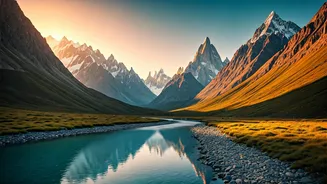
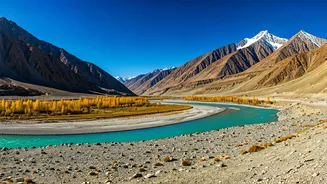
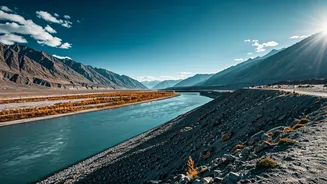
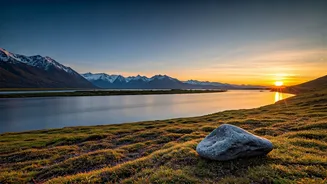
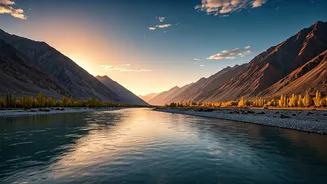
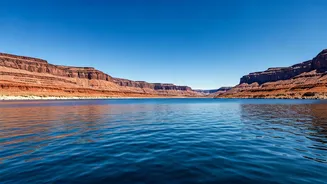
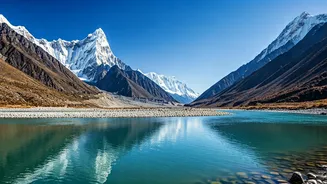
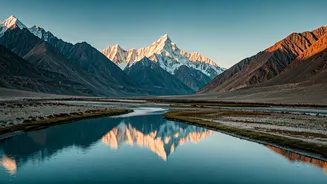
Each year in June, on the shores of the mighty Indus River—known as Sindhu in ancient texts—a unique cultural gathering takes place. The Sindhu Darshan Festival, held near the city of Leh in the high-altitude desert of Ladakh, is more than just a party.
It's a pilgrimage of sorts, a celebration of the river that has nurtured civilizations for millennia and a powerful symbol of India's unity in diversity. For three days, people from across the country converge in this breathtaking landscape, surrounded by the stark, beautiful peaks of the Himalayas. The festival was conceived to promote national identity and honor the soldiers who protect this remote border region, but it has grown into a profound showcase of living culture.
Where Art Becomes an Offering
While traditional music and dance performances are central to the festivities, one of the most captivating elements is the display of tribal and folk art. This isn't a sterile museum exhibition. Here, art is dynamic, interactive, and woven into the very fabric of the celebration. Artisans from Ladakh and other tribal regions across India set up stalls, not just to sell their wares, but to share their heritage. The air buzzes with the sound of hammering metal, the scent of wood shavings, and the quiet concentration of painters. For visitors, it’s a rare opportunity to witness the creation process, speak with the artists, and understand that each object is more than an artifact; it's a piece of a living story.
The Hands and Heritage of the Himalayas
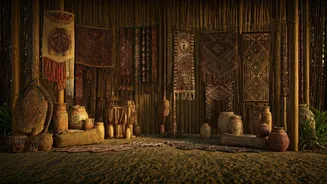
The art on display is a kaleidoscope of Himalayan tradition. You’ll find intricate Thangka paintings, the sacred Buddhist scrolls that serve as meditation aids, their mineral-based pigments glowing with divine figures. Artisans from local Ladakhi and Tibetan communities demonstrate this painstaking art form, passed down through generations. Nearby, you might see jewelers crafting exquisite silver ornaments inlaid with turquoise and coral, stones that carry deep symbolic meaning in the region. There are also handwoven textiles, from the world-renowned Pashmina shawls, so fine they can pass through a ring, to the durable, brightly patterned woolens used for everyday life in the mountains. Each piece tells a story of place, material, and the hands that made it.
More Than Decoration: A Story in Every Thread
To an outsider, a patterned rug or a wooden mask might just look like a beautiful souvenir. But at Sindhu Darshan, you quickly learn that every design has a purpose. The symbols woven into a Ladakhi carpet can represent protection, fertility, or elements of the Buddhist cosmos. The fearsome visages of masks used in monastic dances are not meant to be merely decorative; they embody deities and demons from ancient spiritual narratives. The folk art here is a visual language, communicating beliefs, histories, and a community's relationship with a harsh but sacred environment. By bringing these traditions to the forefront, the festival acts as a vital conduit, ensuring their survival and appreciation in a rapidly modernizing world.