


Beyond the Buffet Line
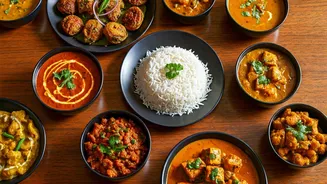
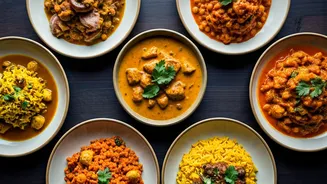
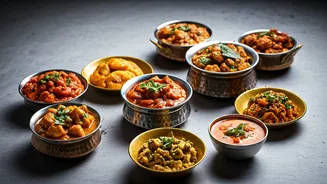
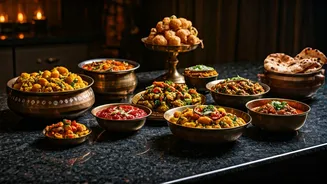
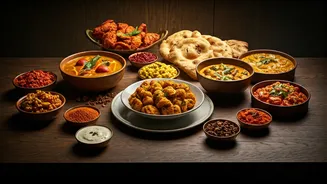
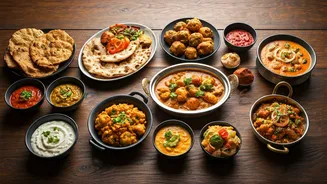
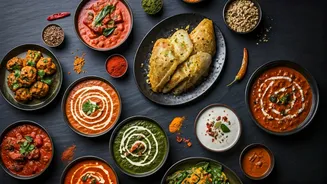
Let’s be honest: the Indian food most Americans know is a caricature. It’s a largely North Indian, specifically Punjabi, menu that was simplified, sweetened, and cream-laden to appeal to a Western palate that was, for a long time, presumed to be timid.
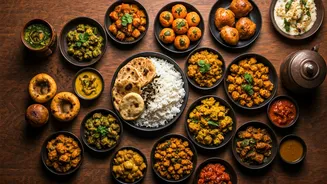
Restaurant owners, often first-generation immigrants trying to make a living, understandably created a product that would sell. They built a culinary consensus around a handful of dishes that became synonymous with an entire subcontinent of 1.4 billion people. This wasn't a malicious act; it was a survival strategy. In the 1970s and ‘80s, opening an Indian restaurant in the U.S. meant educating a customer base from scratch. Making the food less spicy, more creamy, and focusing on familiar proteins like chicken was a logical business decision. The result was a successful formula that put Indian food on the map in America, but it also flattened the perception of one of the world's most diverse and complex culinary traditions into a single, predictable buffet line.
The Unapologetic Generation
Today, that consensus is being deliberately and deliciously dismantled. Chefs like Chintan Pandya of New York's Dhamaka, Meherwan Irani of Asheville's Chai Pani, and the new guard across the country are championing what they call “unapologetic” Indian food. This isn't just about adding more chili; it’s a philosophical shift. It’s about cooking the food of their childhoods, their families, and their specific regions with confidence and integrity, rather than sanding down the edges for a hypothetical customer.
This movement rejects the idea that Indian food needs to be 'toned down' or 'elevated' with French techniques to be considered fine dining. Instead, the craft is in the precision, the sourcing of spices, and the faithful execution of recipes that have been passed down for generations but rarely seen in American restaurants. They are betting that diners are ready for the real thing, and their success—from packed dining rooms to James Beard awards—is proving them right.
What 'Regional' Actually Means
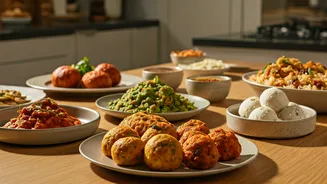
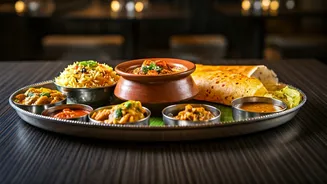
So, what does this food look like? It’s not one thing, and that’s the entire point. India is a country with dozens of distinct culinary languages. Instead of another generic lamb curry, you might find Champaran Meat, a Bihari dish where mutton is slow-cooked in a sealed clay pot with whole spices. Instead of samosas, you might see puchkas, the delicate, hollow puri filled with spiced potatoes and tangy tamarind water that’s a beloved street food in Kolkata.
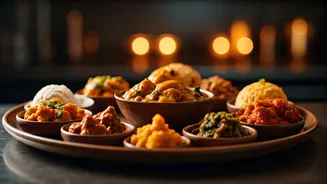
On these new menus, you'll find the coastal flavors of Goa and Kerala, with their emphasis on coconut, seafood, and souring agents like kokum. You could encounter the complex vegetarian thalis of Gujarat, the fiery pork dishes of Nagaland, or the subtle, aromatic cuisine of the Parsi diaspora. These chefs are drawing a detailed map of India on their menus, showing us that the distance between a dish from Kashmir in the north and Tamil Nadu in the south is as vast and varied as the distance between Tex-Mex and New England clam chowder.
Why the Change Is Happening Now
Several factors are fueling this renaissance. First, there’s a new level of cultural confidence among second-generation Indian Americans, who are comfortable in their identity and eager to share its authentic expressions. They aren't just trying to assimilate; they’re ready to define the narrative.
Second, the American palate has evolved dramatically. Decades of food television, global travel, and internet-fueled foodie culture have created a more curious and adventurous diner. People are actively seeking authentic experiences and are less afraid of unfamiliar spices or funky, fermented flavors. Finally, the pioneering success of these unapologetic restaurants has created a new business model. It has proven that you don't need chicken tikka masala on the menu to be profitable. Success has bred confidence, encouraging more chefs and restaurateurs to take the leap and cook the food they truly believe in.