

The 'Sea of Milk' Awakens
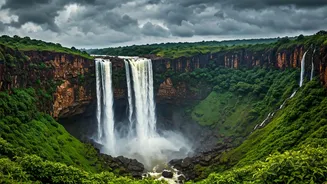
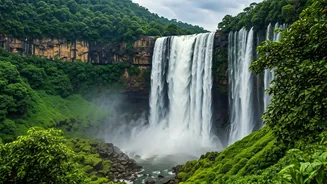
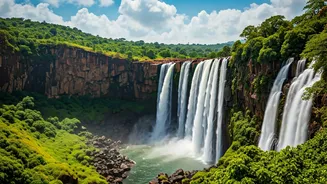
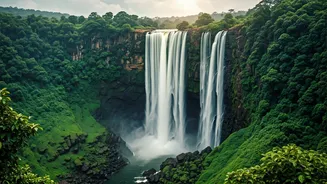
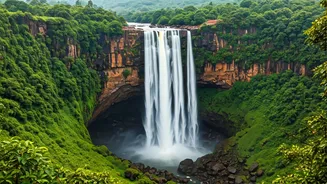
Forget what you picture when you think of a single-drop waterfall. Dudhsagar is a different beast entirely. Its name translates to “Sea of Milk,” a title it earns with ferocious honesty. Located on the Mandovi River in the Indian state of Goa, this isn't
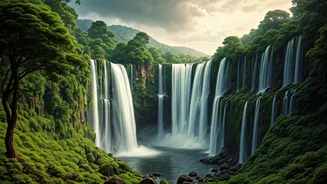
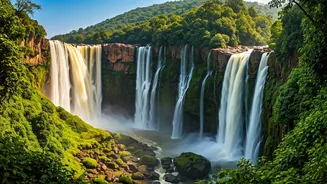
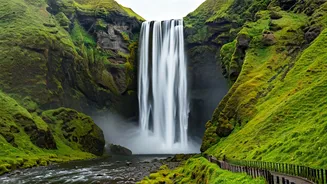
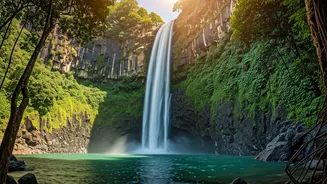
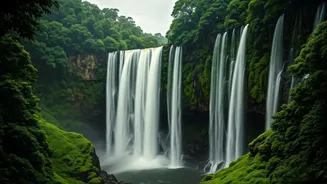
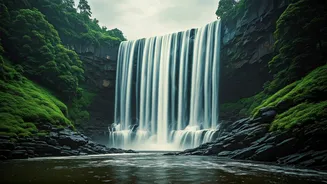
a simple curtain of water; it’s a four-tiered behemoth that thunders down a total of 1,017 feet along the steep face of the Western Ghats mountains. During the dry season, it can be a pleasant, multi-stream cascade. But when the monsoon arrives, Dudhsagar transforms into an explosive, churning mass of white water that looks less like a river and more like a colossal jug of milk being poured from the heavens. The sheer volume of water creates a roar that fills the surrounding jungle and a cloud of spray that can be felt from hundreds of feet away. It's a raw, elemental display that makes even the most seasoned travelers feel small.
Why Late June Is the Magic Window
Timing, as they say, is everything. While many tourist destinations are best visited in the calm, sunny high season, Dudhsagar flips the script. To see it in its full, world-class glory, you need the rain—specifically, the start of the Southwest Monsoon. The season typically breaks over Goa in early to mid-June. By late June, the catchment area has absorbed the first few weeks of intense rainfall, and the Mandovi River swells to its peak. This is the magic window. The waterfall is at its most powerful and visually spectacular, but the absolute heaviest, most disruptive downpours of July and August have not yet set in. Visiting later in the monsoon can mean trekking routes are closed, jeep safaris are suspended due to impassable streams, and the region becomes almost inaccessible. Late June offers the perfect, albeit precarious, balance: maximum reward with (manageable) risk.
The Journey Is Part of the Spectacle
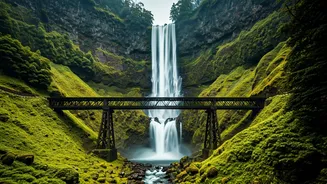
Getting to Dudhsagar is an adventure in itself, and one method stands out as truly iconic. A railway line—the Vasco da Gama to Londa route—slices right across the face of the waterfall, crossing over a stone arched bridge that seems impossibly placed. For decades, passengers on this train have been treated to one of the most stunning mid-journey views on the planet, as the train slows to a crawl and passes directly through the waterfall's spray. While stopping at the unofficial “Dudhsagar” station is now restricted for safety reasons, passing through on a passenger train still provides an unforgettable, if fleeting, perspective. The more common route for visitors is a jeep safari. From the village of Kulem, you can hire a registered 4x4 for a bone-rattling, stream-fording journey through the dense jungles of the Bhagwan Mahaveer Sanctuary and Mollem National Park. This hour-long ride culminates in a short trek to the base of the falls, where you can truly appreciate its scale and power up close.
A Realist's Guide for the Chaser
An epic trip requires practical planning. If you’re targeting Dudhsagar in late June, go prepared. First, your footwear is critical. You’ll be navigating wet, slippery, and uneven terrain. Sturdy, closed-toe shoes with excellent grip are non-negotiable. Second, dress for a soaking. Lightweight, quick-drying clothes are your best friend. A waterproof bag is essential for protecting your phone, camera, and wallet. Third, be aware of the local fauna. The humid, wet environment is a paradise for leeches. Wearing long pants and leech socks is a wise precaution. Finally, manage your expectations. This is not a polished, resort-style experience. It’s wild, it can be crowded with domestic tourists, and services are basic. Embrace the chaos, respect the power of the environment, and you’ll be rewarded with a memory that makes all the effort worthwhile.