








The 'Secret' Unveiled: What Is Oil Pulling?
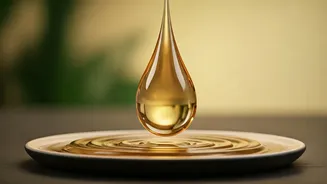
The practice at the heart of this resurgence is oil pulling. At its core, it's an ancient folk remedy in which you swish a tablespoon of edible oil—typically coconut, sesame, or sunflower—in your mouth for an extended period, then spit it out. The term
comes from the idea that the action of swishing 'pulls' bacteria and toxins from the mouth. Proponents treat it as a morning ritual, performing it on an empty stomach before brushing their teeth. It’s not about gargling; it’s a gentle, steady swishing motion, moving the oil around the entire mouth, through the teeth, and over the gums.
From Ancient India to Your Instagram Feed
Oil pulling isn't a new invention from a Silicon Valley wellness lab. Its roots are in Ayurveda, the traditional system of medicine from India that dates back thousands of years. Known as 'gandusha' or 'kavala' in ancient Sanskrit texts, the practice was prescribed for oral hygiene and to address a range of systemic health issues, from headaches to asthma. For centuries, it remained a relatively niche practice. Its modern comeback can be traced directly to the rise of wellness culture and social media. Influencers and celebrities began touting its benefits, transforming an ancient remedy into a photogenic morning routine, often shared with millions of followers looking for natural health alternatives.
The Purported Perks: What Are the Claims?
The list of benefits attributed to oil pulling by its advocates is long. The most common claims are centered on oral health: whiter teeth, stronger gums, reduced plaque, and fresher breath. The logic is that the lipids (fats) in the oil bind with the bacteria in the mouth, which are then removed when you spit the oil out. But the claims often extend beyond the mouth. Some followers believe oil pulling can 'detoxify' the entire body by drawing out toxins, leading to clearer skin, improved energy levels, reduced inflammation, and even relief from chronic illnesses. It’s this whole-body 'detox' angle that has elevated it from a simple mouth rinse to a holistic wellness ritual.
Science Weighs In: Hype vs. Health
This is where the ancient tradition meets modern scrutiny. While some small-scale studies have suggested oil pulling may help reduce plaque and the bacteria responsible for bad breath (specifically Streptococcus mutans), the scientific community remains largely unconvinced of the more dramatic claims. The American Dental Association (ADA) does not currently recommend oil pulling, stating there is a lack of reliable scientific evidence to prove its effectiveness for oral health or any other condition. Most dentists agree that while swishing with coconut oil is unlikely to cause harm, it is absolutely not a substitute for the proven, foundational habits of brushing twice a day with fluoride toothpaste and flossing regularly. The 'full-body detox' claims are not supported by scientific evidence.
A How-To Guide for the Curious
If you're interested in trying it for yourself, the process is simple. First thing in the morning, before eating or drinking anything, take one tablespoon of a high-quality, cold-pressed oil like coconut, sesame, or olive oil. Swish it gently in your mouth for 15-20 minutes. Be careful not to swallow the oil, as it now contains the bacteria you're trying to remove. The oil will nearly double in volume as it mixes with saliva, becoming thin and milky. When the time is up, spit the oil into a trash can, not the sink, as it can solidify and clog your pipes. Finally, rinse your mouth thoroughly with water and then brush your teeth as you normally would.