





An Annual National Obsession
In the United States, seasons are marked by pumpkins, peonies, or the first frost. In India, the period from late March through June is defined by one thing: mangoes. This isn't just about a fruit appearing on shelves; it's a cultural shift. The air becomes
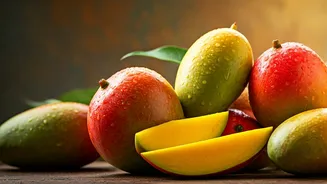
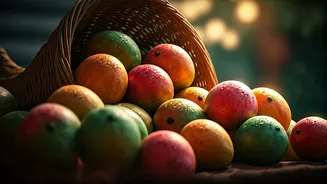
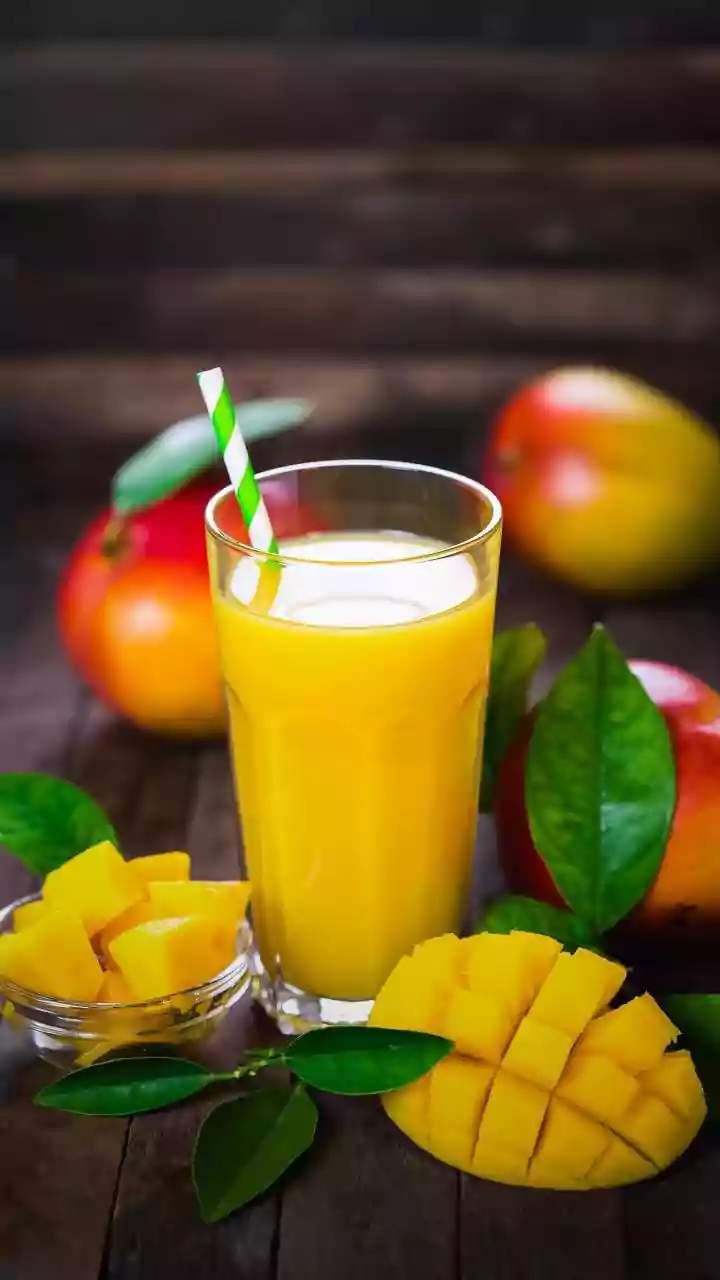
thick with the sweet, intoxicating scent of ripe mangoes. Family WhatsApp groups buzz with photos of the first haul of the season. Debates ignite over which regional variety is superior. For about 100 days, the mango is not merely a food—it's the main character in the story of Indian summer. This period is a frenzy of gifting, hoarding, and, of course, eating. Boxes of prized mangoes are sent to relatives, business associates, and friends as a sign of love and respect. Families gather to perform the annual ritual of making mango pickles (achar) and preserves that will last them through the year. Children and adults alike eat them with a near-religious fervor—sliced, diced, blended into lassis, or, most satisfyingly, eaten whole over a sink, with juice dripping down to the elbows. It’s a short, glorious window of sublime indulgence before the monsoon rains wash it all away for another year.
Meet the King: The Alphonso
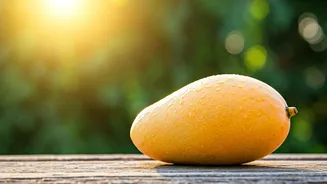
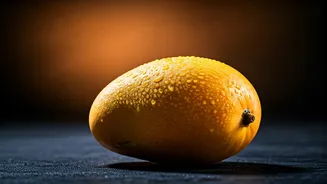
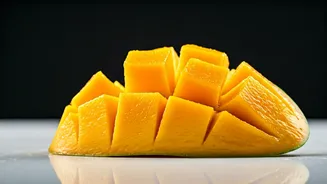
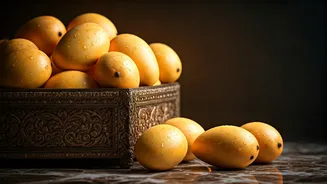
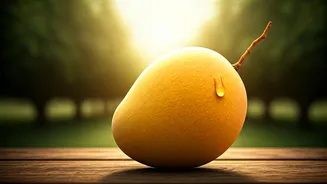
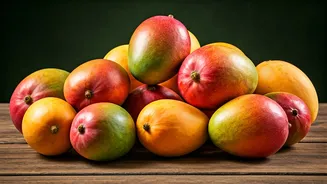
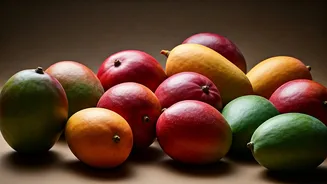
If Indian mango season has a king, it is the Alphonso, known locally as ‘Hapus.’ Grown primarily in the coastal Konkan region of Maharashtra, the Alphonso is to other mangoes what a Wagyu steak is to a fast-food burger. Its skin is a cheerful saffron-yellow, its flesh is a deep, uniform orange, and most importantly, it is completely non-fibrous. It cuts like butter. The flavor is a complex symphony of sweetness with notes of honey, citrus, and something uniquely floral and aromatic that defies easy description. It’s so prized that it’s often sold by the dozen, carefully nestled in hay-lined boxes. Its price can be ten times that of a standard mango, a luxury that people eagerly pay for. For many, the first Alphonso of the year is a moment of pure, unadulterated joy, the official taste that summer has begun.
A Court of Regional Champions
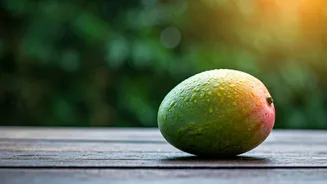
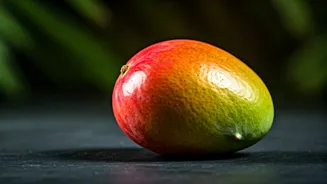
While the Alphonso may wear the crown, it rules over a vast and delicious kingdom. India is home to over 1,500 varieties of mangoes, and many regions have a local champion they swear is the true best. In Gujarat, it's the Kesar, named for its vibrant saffron-colored pulp and intense aroma, making it the top choice for juices and pulp. Head north to Uttar Pradesh, and the conversation is all about the Dasheri, a smaller, sweeter, and more fibrous mango that is perfect for eating out of hand. Then there’s the Langra from Varanasi, uniquely greenish-yellow even when ripe, with a slightly tart finish that cuts through its sweetness. This diversity fuels a friendly but fierce regional pride. A person from Lucknow might politely dismiss the Alphonso’s hype in favor of their beloved Dasheri. Someone from West Bengal will sing the praises of the Himsagar. It’s a delicious rivalry that highlights the fruit’s deep integration into regional identity.
How to Find a Taste in America
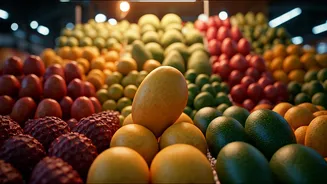
For decades, these incredible mangoes were a myth in the U.S. due to a long-standing import ban. But thanks to a process known as irradiation, which ensures the fruit is pest-free, a steady (but limited) supply now makes its way to American shores each spring. You won’t find them at your local Safeway or Kroger. The hunt for authentic Indian mangoes requires a trip to a well-stocked Indian or South Asian grocery store between April and June. Be prepared for sticker shock; a single Alphonso can cost upwards of $5, and a box can run from $40 to $70. But ask anyone who grew up with them, and they'll tell you it’s worth it. Look for boxes labeled with the variety (Alphonso, Kesar) and a sticker indicating they've been treated for import. The best way to know if they're ripe is by the smell—it should be a powerful, sweet fragrance you can detect from a foot away.