


The Comfort of 'New-stalgia'
When you hear 'nostalgia,' you might think of a grandparent's home cooking. For Gen Z, the youngest of whom were born in the early 2010s, nostalgia tastes different. It tastes like the vibrant, sometimes brazenly artificial, flavors of the late 90s and 2000s.
It’s the sweet rush of a Lunchable, the tangy burst of a Gusher, or the cosmic swirl on a Little Debbie brownie. Food industry analysts have even coined a term for it: 'new-stalgia.' This isn't about recreating a bygone era of domesticity; it's about capturing a feeling of pre-internet, pre-anxiety childhood simplicity. In a world of constant digital pressure and uncertainty, the straightforward, uncomplicated joy of a snack from 2003 offers a powerful form of emotional comfort. Brands are leaning in, reviving old products or launching new ones with flavor profiles that evoke birthday parties and after-school TV.
But Make It Healthy-ish
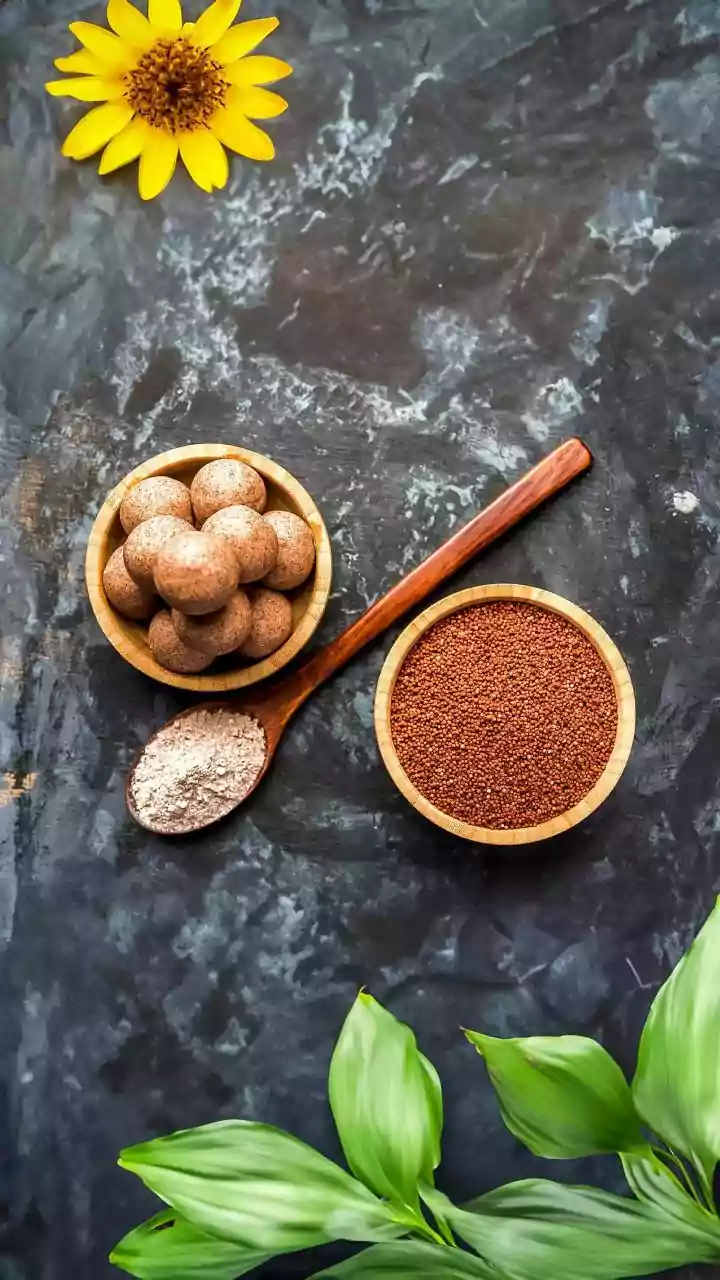
Here's the twist. The generation seeking the comfort of processed snacks is also the most health-literate and wellness-focused in history. They grew up with Whole Foods, plant-based diets going mainstream, and an endless stream of wellness content on TikTok and Instagram. For them, 'healthy' is less about calorie counting and more about a holistic vision of wellness. They demand clean, transparent ingredient lists they can actually pronounce. They value functional benefits—protein for satiety, fiber for gut health, adaptogens for stress relief. They're wary of artificial additives and excess sugar, even as they chase sugary-tasting flavors. This isn't a contradiction so much as a new set of standards. They want the flavor of indulgence without the perceived biological cost. They expect food to not only taste good and feel comforting, but to do good for their bodies.
The Bowl as the Perfect Canvas
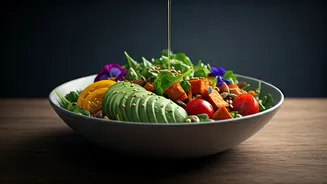
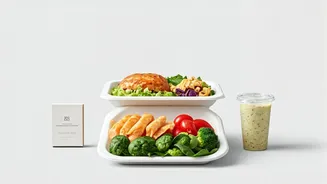
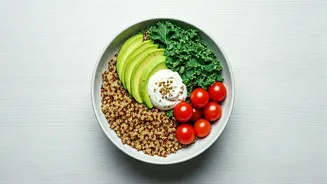
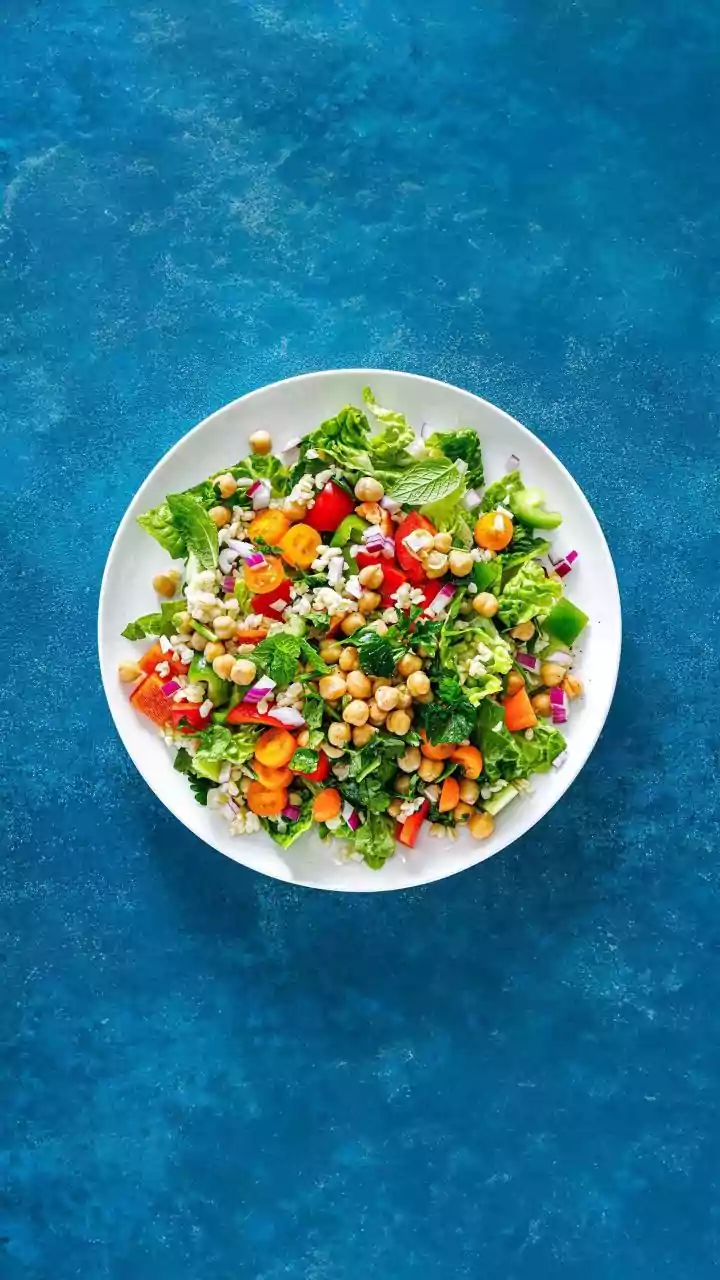
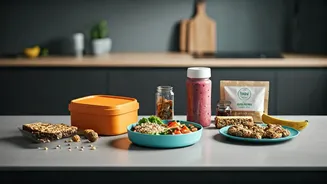
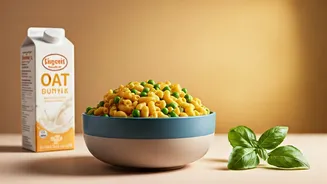
How do you combine these seemingly opposite desires? You put them in a bowl. From grain bowls and poke to smoothie bowls and souped-up ramen, the bowl has become the definitive dish of this generation. It’s the perfect format for this culinary balancing act. The bowl is a canvas for customization. You can start with a comforting, nostalgic base—like mac and cheese or ramen noodles—and then load it with healthy, modern additions: roasted broccoli, kimchi, avocado, a jammy egg, or a sprinkle of toasted seeds. This format gives the consumer a sense of control and personalization. It allows them to dial the health and indulgence factors up or down based on their mood. Plus, it’s photogenic, fitting seamlessly into the visual language of social media where food trends are born and spread.
How Brands Are Serving It Up
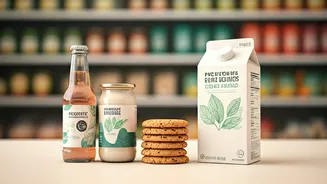
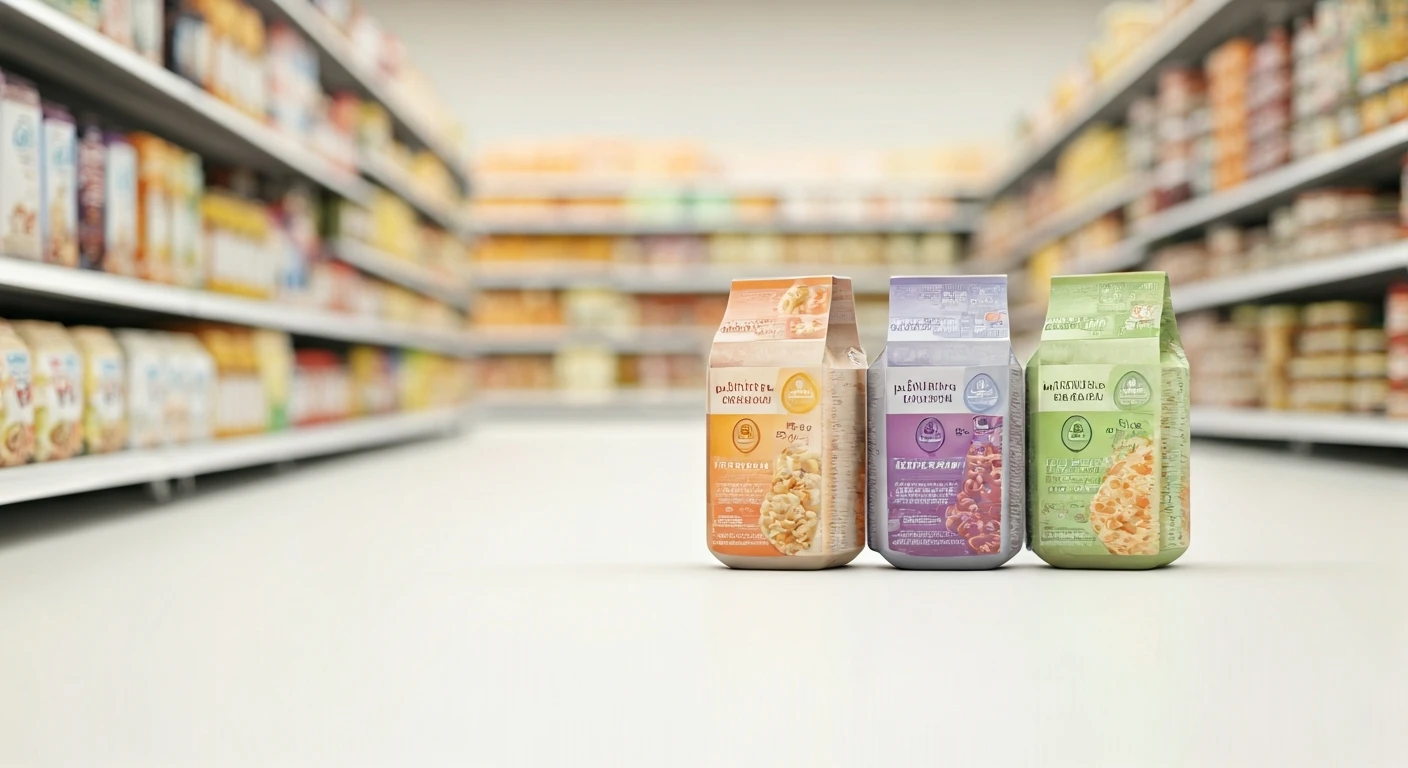
The food industry has taken notice, and the race is on to cater to this hybrid demand. Look at the rise of 'better-for-you' brands that are explicitly built on this premise. Magic Spoon, for instance, sells high-protein, low-carb cereal in flavors like Fruity, Frosted, and Cocoa, directly mimicking the childhood classics while touting a keto-friendly, gluten-free formula. Companies like Omsom offer starter kits for complex Asian dishes, providing the nostalgic, authentic flavors of a favorite restaurant but with clean ingredients and an easy-to-use format. Even legacy brands are reformulating. Instant ramen is no longer just a sodium-laden brick; premium versions now boast bone broth, plant-based noodles, and complex spice packets. These products all answer the same call: give us the comfort we remember, but with the nutritional values we demand today.