
Beyond the Instagram-Ready Room
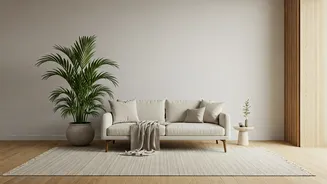
Step away from the cool, impersonal grays and whites of minimalist blogs. A different philosophy is reshaping modern Indian interiors, one that prioritizes feeling over flawless finish. Dubbed “emotional design,” this approach isn't about a specific color
palette or style. Instead, it’s a design ethos centered on creating spaces that evoke a sense of comfort, nostalgia, and personal connection. It asks a fundamental question: how does this room make you *feel*? This marks a significant departure from the global, catalog-driven trends that have dominated design for the past decade. Where minimalism sought to declutter and maximalism sought to dazzle, emotional design seeks to ground. It’s the difference between a house that looks good in a photograph and a home that feels good to live in. The focus shifts from visual perfection to a richer, multi-sensory experience that tells the unique story of the people who inhabit the space.
A Sanctuary in a Post-Pandemic World
The catalyst for this shift can be traced, in large part, to the global pandemic. As people across India, like the rest of the world, were confined to their homes, the role of that space fundamentally changed. It was no longer just a place to sleep and eat; it became an office, a classroom, a gym, and a sanctuary from an uncertain world. This intense, prolonged period of domesticity forced a collective re-evaluation of what makes a house a home.
The sterile, untouchable aesthetic suddenly felt cold and inadequate. Homeowners began craving warmth, texture, and authenticity. They wanted spaces that could soothe and support their well-being, not just impress guests. This desire for a functional and psychological sanctuary fueled the move toward interiors that are more personal, adaptable, and deeply comforting—laying the perfect groundwork for a design movement built on feeling.
The Power of Personal History
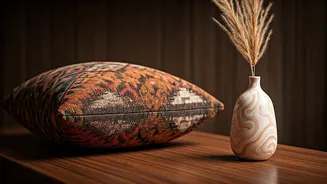
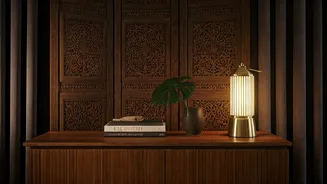
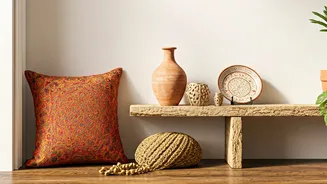
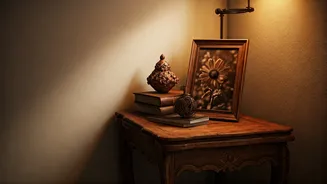
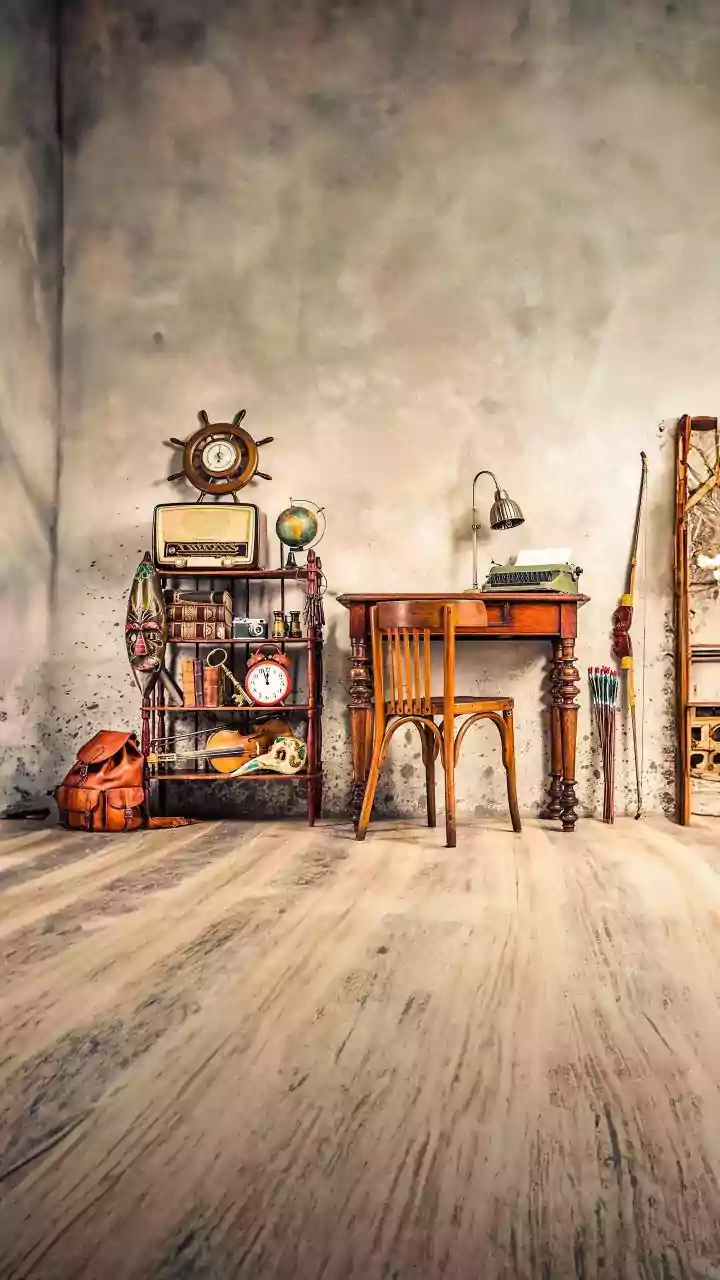
In India, this trend finds unique expression by weaving the past into the present. Emotional design here often involves a conscious turn toward heritage and artisanship. Instead of importing generic furniture, designers and homeowners are looking inward, celebrating local craftsmanship and family history. An old wooden chest from a grandparent’s village is no longer hidden away; it’s a treasured centerpiece. Hand-carved panels, block-printed textiles from Rajasthan, and gleaming brassware passed down through generations are being integrated into contemporary settings.
This isn't about creating a museum. It's about surrounding oneself with objects that have a narrative. These pieces connect the resident to their roots, their family, and a broader cultural identity. Using materials like terracotta, lime plaster, and reclaimed teak adds a layer of earthy tactility that mass-produced items lack. In a rapidly globalizing world, this approach offers a powerful way to create a space that is undeniably, authentically one's own.
Designing for All the Senses
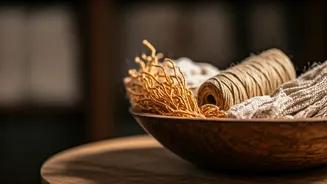
A key principle of emotional design is that it engages more than just the eyes. It’s a holistic approach that considers the full sensory experience of a room. The cool, smooth feel of a marble floor underfoot on a hot day, the rough texture of a hand-woven dhurrie rug, and the subtle scent of jasmine or sandalwood incense are all part of the design.
Sound plays a role, too—the gentle chime of a brass bell hanging in a window or the calming sound of a small indoor water feature. Light is manipulated not just for brightness but for mood, with an emphasis on warm, layered lighting that can be adjusted throughout the day. By designing for touch, smell, and sound, the space becomes an immersive environment that can actively influence mood and promote a sense of peace and well-being. It transforms the home from a static backdrop into an active participant in daily life.