
From Landmarks to Lived Experiences
For decades, the anatomy of a successful trip was a checklist of monuments and museums. You 'did' Paris by seeing the Eiffel Tower, the Louvre, and Notre Dame. But for a growing number of travelers under 40, that model feels hollow. They aren’t just looking
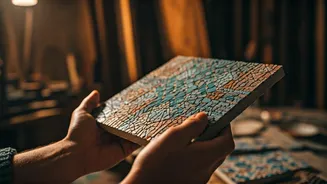
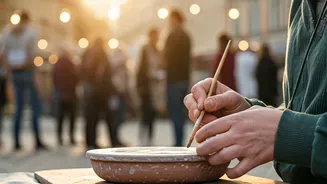
for proof they were there; they’re seeking proof that they *lived* there, even if just for a few days. This is the pivot from passive sightseeing to active participation. Instead of just observing a culture from behind a velvet rope or a tour bus window, the goal is to get your hands dirty. This might mean taking a ceramics class in Oaxaca, learning about regenerative farming on a Costa Rican eco-lodge, or joining a neighborhood food tour in Queens. The souvenir is no longer a keychain; it’s a new skill, a recipe, or a genuine connection with a local.
The Search for Real Authenticity
The word “authenticity” has been a travel buzzword for years, but for Gen Z and millennials, it has a specific meaning. It’s a reaction against the overly polished, mass-produced tourism that can make one global city feel interchangeable with another. They’ve grown up in a world saturated with digital filters and curated online personas; in travel, they crave the opposite. They want the unscripted, the imperfect, and the real. This translates to bypassing the tourist-trap restaurant with laminated menus for the back-alley spot recommended by a local barista. It means choosing a homestay in a residential neighborhood over a generic downtown hotel. This quest isn't about roughing it; it’s about finding experiences that feel genuine and untainted by the machinery of mass tourism. It’s a desire to see a place as it is, not as it’s packaged for visitors.
Food as the Primary Cultural Connector
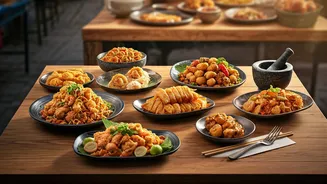
If there's one gateway to this new style of travel, it’s food. More than ever, young travelers are planning entire trips around culinary experiences. Food is a universal language, and sharing a meal is one of the oldest forms of cultural exchange. But this goes far beyond simply dining out. It’s about understanding the 'why' behind the what. A cooking class with a grandmother in her home is more than a lesson in making ravioli; it’s an intimate look at family traditions and local history. A visit to a bustling morning market isn’t just about seeing exotic produce; it’s about observing the daily rhythms of a community. Food has become the most accessible and rewarding way to dive headfirst into another culture, engaging all the senses in a way that looking at a statue simply can’t.
The New Social Media Flex
While this trend is a reaction against cliché online content, social media still plays a huge role. The currency of a great trip is no longer just a beautiful photo, but a compelling story. The 'flex' has shifted from demonstrating wealth (staying at a five-star resort) to demonstrating cultural capital (finding a hidden waterfall or mastering a local craft). Platforms like TikTok and Instagram are filled with videos of travelers sharing unique skills they’ve learned or hyper-local experiences they’ve had. A video titled 'How I learned to make traditional indigo dye in Japan' carries more social weight than another selfie in front of a famous monument. It signals curiosity, adventurousness, and a willingness to step outside a comfort zone. In a sea of sameness, a unique cultural story is the ultimate travel status symbol.