


1. Armor Up Their Paws
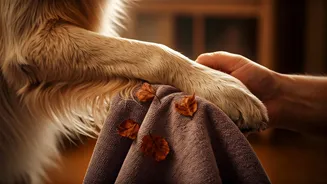
A dog's paw pads are tough, but they aren't invincible. When constantly wet, they can soften, making them more susceptible to scrapes and cuts. Worse, moisture trapped between the toes can create a breeding ground for yeast and bacteria, leading to painful
infections. Before you go, apply a thin layer of paw balm or wax. This creates a semi-permeable barrier that repels water and protects against grit and salt. For dogs who tolerate them, waterproof booties are the ultimate defense, keeping paws completely dry and clean. Getting them used to booties indoors with plenty of treats is key to success on a rainy day.
2. Choose the Right Rain Gear
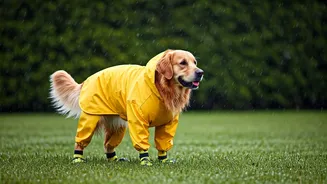
Not all dog coats are created equal. A flimsy, “water-resistant” jacket might be fine in a light drizzle, but it will quickly become saturated in a downpour, weighing your dog down and trapping cold moisture against their skin. For real rain, invest in a truly waterproof coat made from materials like PVC or coated nylon. Look for a design that offers good belly coverage to prevent splashes from soaking their underside. A proper fit is crucial—it should be snug enough to stay in place without restricting movement in their legs or shoulders. A built-in harness opening is a bonus that prevents you from having to layer a wet harness over a dry coat.
3. Boost Their Visibility
Rain means gray skies, poor visibility, and drivers dealing with slick roads and foggy windshields. This is not the time for stealth. Before your walk, make sure your dog is as visible as possible. A brightly colored raincoat is a great start, but you should also add reflective elements. Many modern leashes, collars, and harnesses come with built-in reflective stitching. For maximum safety during twilight or nighttime rain, consider a small, clip-on LED light for their collar. It ensures your dog can be seen from a distance, giving drivers and cyclists ample time to spot you.
4. Think About the Post-Walk Cleanup… Now
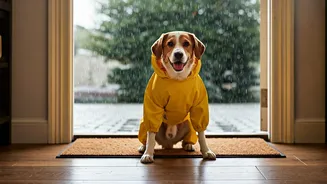
The secret to a stress-free return from a rainy walk is preparing for it before you leave. Designate a “landing zone” right by the door. Lay down an old, absorbent towel or a dedicated mud mat. Have a second, dry towel ready specifically for your dog. A highly absorbent microfiber towel works wonders for getting the majority of water out of their coat quickly. If you have a long-haired dog, you might even keep a blow-dryer on a low, cool setting nearby. By setting this up in advance, you prevent a trail of muddy paw prints through the house and make the drying process an efficient, organized routine rather than a chaotic scramble.
5. Plan a Shorter, Smarter Route
A rainy day is not the time for a leisurely sniffari through a muddy field. The goal is a quick, efficient trip to take care of business. Before you head out, visualize a route that maximizes pavement and minimizes grassy, puddle-prone areas. Walking on the sidewalk is cleaner and provides better traction for both you and your dog. A shorter, more focused walk reduces the amount of time they are exposed to the cold and wet, decreasing the risk of getting chilled or developing skin irritation from a damp coat. It’s about quality, not quantity. A brisk, 10-minute walk on a clear path is far better than a 30-minute slog through the mud.