




An Island Out of Time
Getting to Majuli is the first step in unwinding. It begins with a bumpy, hour-long ferry ride across the formidable Brahmaputra River from the city of Jorhat in Assam. As cars, motorcycles, and locals crowd onto the deck, the mainland recedes, and with it,
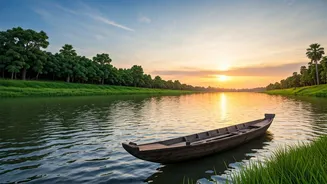
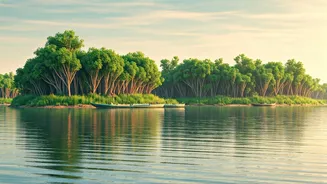
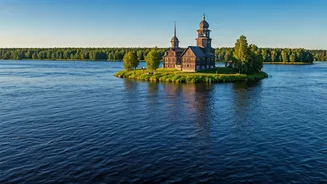
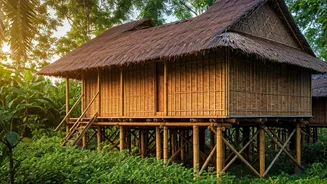
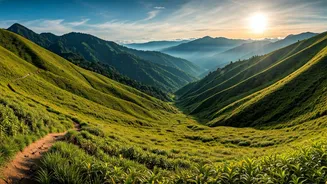
the noise of modern life. What emerges from the silty water is a slash of green so vibrant it almost seems unreal. This is Majuli, often cited as the world's largest river island, a place governed by the rhythm of the river and the cycles of the sun. There are no high-rises, no traffic jams, and no chain hotels. Instead, you'll find winding dirt roads, villages of stilted bamboo homes belonging to the Mishing tribe, and an overwhelming sense of peace. It's a destination that doesn't just invite you to slow down—it requires it.
The Living Heart of Assamese Culture
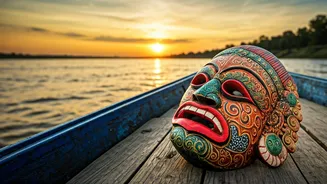
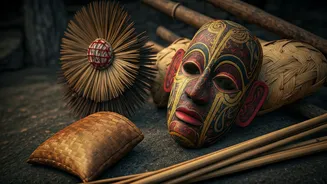
Majuli isn't just a geographical curiosity; it's the cultural soul of Assam. For over 500 years, the island has been the center of neo-Vaishnavism, a monotheistic stream of Hinduism. This culture is preserved in unique institutions called satras. These are not just monasteries but living, breathing centers of art, philosophy, and community. Visitors can spend days exploring the various satras, each with its own specialty. At Samaguri Satra, you can watch artisans craft intricate masks (mukha) used in traditional religious performances. At Kamalabari Satra, you might witness young monks practicing hypnotic sacred dances. These are not performances for tourists but integral parts of a devotional life that has remained largely unchanged for centuries. Engaging with the satras offers a rare opportunity to witness a culture that is preserved not in a museum, but in daily practice.
What Slow Travel Looks Like Here
The term “slow travel” can feel abstract, but on Majuli, it’s tangible. A typical day involves renting a bicycle or scooter and exploring the island’s flat, quiet lanes. You'll pedal past brilliant green rice paddies, waving to children as you pass through their villages. You might stop at a weaver’s home to see them work a loom, creating the distinctive textiles of the Mishing people. Accommodations are simple, often in family-run guesthouses or traditional bamboo cottages that offer a comfortable but direct connection to the environment. The cuisine is local and seasonal, prepared with ingredients grown just steps away. There is no checklist of sights to conquer. The goal is simply to be present: to watch the sunset over the Brahmaputra, share a cup of tea with a local family, or listen to the sounds of devotional music drifting from a nearby satra. It’s a trip measured in moments and connections, not miles covered.
A Paradise on Borrowed Time
There's an undeniable poignancy to any visit to Majuli. The very river that created the island is now threatening to consume it. Each monsoon season, the Brahmaputra floods, and its powerful currents wash away huge swaths of land. The island has shrunk dramatically over the past century, and many villages and satras have been forced to relocate multiple times. This environmental fragility adds a layer of urgency, but it also underscores the importance of responsible tourism. By visiting Majuli, travelers contribute to a local economy that provides an alternative to leaving the island for work. Choosing local homestays and buying directly from artisans supports the communities that are fighting to preserve their home and heritage against the forces of nature. It’s a destination that reminds you that travel can be a powerful act of preservation and support, not just consumption.