


Embrace the 'Cat Superhighway' Concept
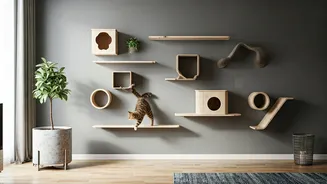
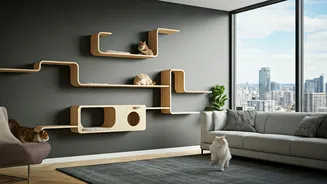
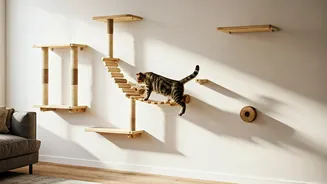
The first step in 'catification' is to stop thinking of shelves as individual pieces of furniture and start seeing them as part of a larger network. Coined by cat behaviorist Jackson Galaxy, the 'cat superhighway' is a series of interconnected perches,
shelves, and beds that allows your cat to navigate a room without touching the floor. In a high-rise apartment where square footage is precious, this vertical approach is a game-changer. It taps into your cat’s natural instinct to climb, survey their territory from above, and feel secure. A well-planned highway provides exercise and mental stimulation, reducing the likelihood of anxiety-driven behaviors like scratching furniture. Your goal isn't just to stick a shelf on the wall; it's to create a purposeful and enriching pathway.
Think Like an Interior Designer
The word 'aesthetic' is key here. Forget the clunky, carpet-covered cat trees of the past. Modern cat shelves are designed to blend seamlessly with sophisticated decor. When choosing, consider the existing materials and colors in your home. Do you have warm wood tones? Look for shelves made from oak, walnut, or bamboo. Is your style more industrial or minimalist? Sleek metal brackets with light-colored wood or even clear acrylic shelves can look incredibly chic and barely-there. The trick is to treat the shelves as an intentional design element. They can be a floating accent on a feature wall or a subtle addition that follows the lines of a bookshelf or window frame. Don't be afraid to mix and match as long as there's a cohesive element, like the bracket color or wood type.
Plan the Route for Flow and Function
A successful cat highway needs a beginning, a middle, and an end. Start the path from a piece of furniture your cat can already access, like a sofa, windowsill, or a low-slung media console. This creates an intuitive 'on-ramp.' From there, map out a path that makes sense. Place shelves in a staggered pattern to encourage leaping and climbing. A good rule of thumb is to keep shelves within a comfortable jumping distance—typically no more than 2-3 feet apart horizontally and 1-2 feet vertically, depending on your cat's age and agility. The ultimate destination should be a 'reward,' such as a cozy, cushioned shelf in a sunny spot, a perch with a view of the birds outside, or a high corner where they can nap undisturbed.
Integrate Different Textures and Functions
A great catification project goes beyond simple shelving. To make the space truly irresistible, integrate a variety of textures and functions. Many modern cat shelving systems offer modular components. You can add a small bridge connecting two shelves, a vertical scratching pole that acts as a support and a functional tool, or a small hammock-like cradle for napping. Consider adding removable, washable pads to some of the shelves for comfort. Some companies even offer shelves with built-in food bowls for cats who prefer to dine with a view. By adding these elements, you're not just creating a path; you're building a dynamic vertical playground that caters to all your cat's needs: climbing, scratching, lounging, and observing.
Prioritize Safety and Secure Installation
Aesthetic appeal is important, but safety is paramount. Your cat will be leaping onto these shelves with force, so a flimsy installation is a major hazard. Always mount shelves directly into wall studs whenever possible. If studs aren't available in your desired location, use high-quality, heavy-duty drywall anchors rated to hold significantly more weight than your cat. Don't just guess—use a stud finder. Before you let your cat explore, test every single shelf by pressing down on it firmly. Ensure there are no wobbly parts or sharp edges. Also, be mindful of what's below the highway. Avoid placing shelves directly above delicate electronics, priceless vases, or your favorite spot on the sofa where you'd rather not have a cat—or a failing shelf—land on your head.