
Beyond the All-You-Can-Eat Buffet
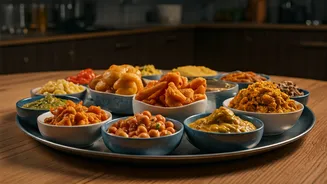
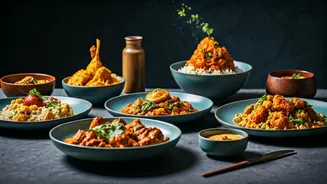
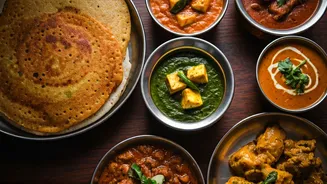
For decades, the American experience of Indian cuisine was largely defined by the lunch buffet and a standardized menu of North Indian hits. Think creamy chicken tikka masala, pillowy naan, saag paneer, and mountains of basmati rice. These dishes, many
with roots in Punjabi cuisine and filtered through a British lens, became a comforting, reliable introduction for the uninitiated. They were delicious, accessible, and laid the groundwork for a nationwide love affair. But they also created a monolith. The vast, complex, and wildly diverse culinary landscape of India—a subcontinent with dozens of distinct regional food cultures—was flattened into a single, convenient package. That package was a huge success, but it was never the whole story. Now, the culinary conversation is finally changing, moving from a single chapter to the full, multi-volume library.
The Great Regional Awakening
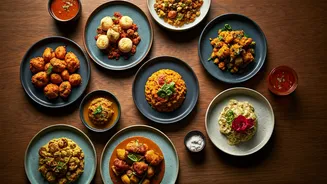
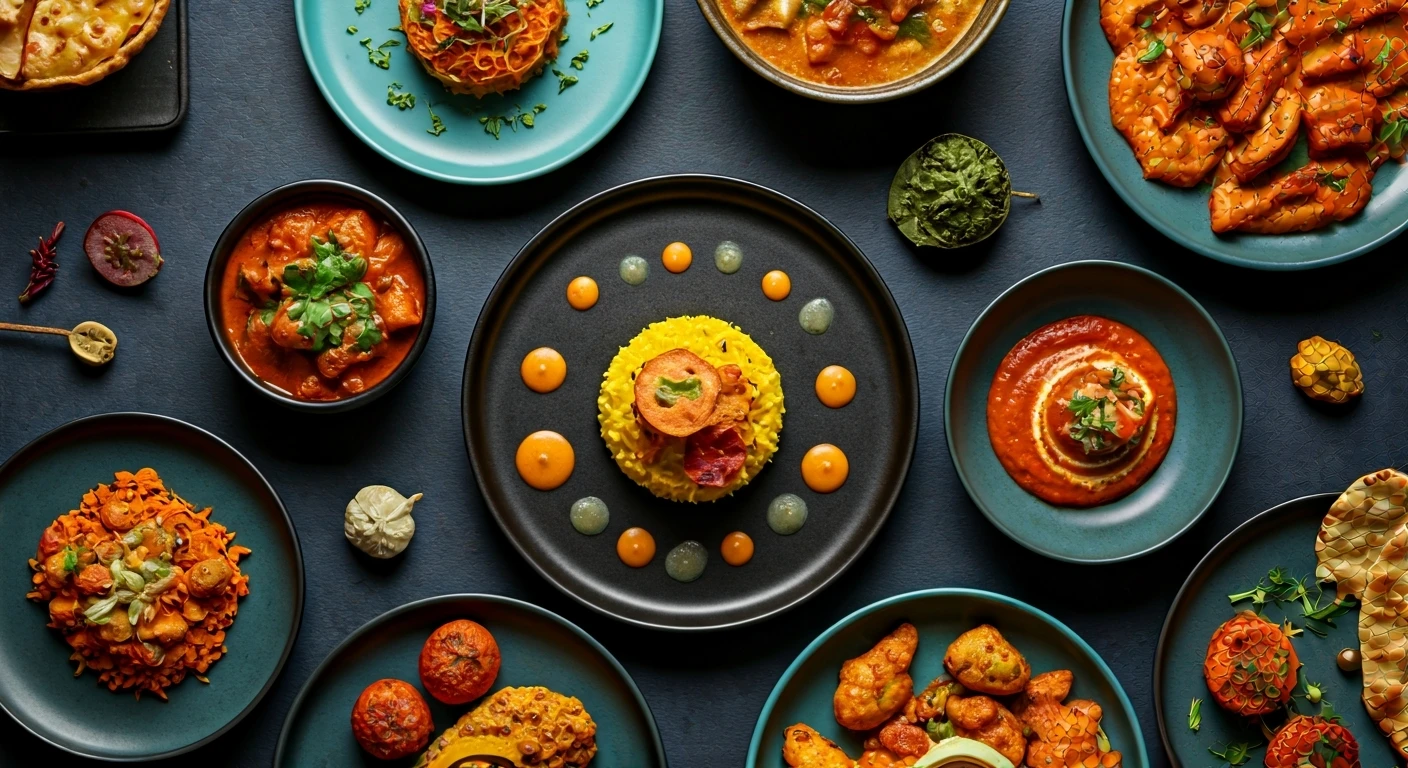
One of the most exciting trends is the move toward regional specificity. Instead of just “Indian food,” restaurants are proudly marketing themselves as Keralan, Goan, Bengali, or Hyderabadi. This is the “familiar surprise” in action. You may love a rich, tomato-based curry, but have you tried a light, coconut-and-tamarind fish curry from the coastal state of Kerala? You’re familiar with samosas, but what about the lentil-stuffed kachoris of Rajasthan or the steamed rice cakes (idli) of Tamil Nadu? Chefs and restaurateurs, many of them second-generation Indian Americans, are digging into their own family histories and regional roots. They are no longer content to serve a generalized version of their heritage. Instead, they’re presenting a more personal, and therefore more authentic, taste of home. This isn’t about rejecting the classics; it’s about revealing the incredible breadth of what Indian food can be.
New Riffs on Old Classics
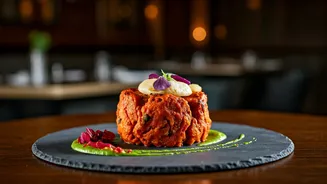
While some chefs go deeper into tradition, others are using traditional flavors as a launchpad for innovation. This is where the “Indian-ish” movement comes alive, blending Indian pantry staples with American formats. It’s a playful, creative space that feels both novel and intuitive. Picture a pizza topped with paneer and makhani sauce, fries dusted with chaat masala, or a burger slathered with a spicy green chutney aioli. The format is familiar—pizza, fries, a burger—but the flavor profile delivers a delightful surprise. This trend also extends to the bar, with mixologists infusing cocktails with cardamom, turmeric, saffron, and tamarind. A gin and tonic gets a botanical boost from a sprig of curry leaf. A classic Old Fashioned is sweetened with jaggery syrup. This approach makes Indian flavors accessible in new ways, inviting people in through a form they already know and love.
Unapologetically Authentic Flavor
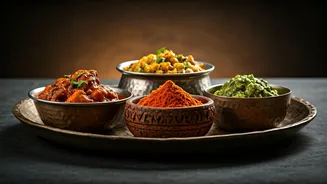
Perhaps the most significant shift is one of confidence. For years, there was an assumption that American palates couldn’t handle the full-throttle flavors of authentic Indian cooking—the pungent funk of fermented ingredients, the assertive bitterness of certain spices, or the fiery heat of regional chilies. Dishes were often sweetened or toned down for a presumed Western sensibility. That assumption is dead. Today’s leading Indian restaurants are serving food with “unapologetic” flavor. Spices are complex and layered, heat is intentional and celebrated, and ingredients are used in their full glory. This culinary courage comes from a new generation of chefs who trust their audience. They know that American diners have become more adventurous, exposed to global flavors through travel and media. They are betting that people don't just want a simplified version; they want the real thing, in all its delicious complexity.