


![OTT releases of the week [June 10-June 14] : What’s new on Netflix, Prime Video, JioHotstar and more](https://g-mob.glance-cdn.com/public/dynamic/720x1280/3b6bef1f3c6f6bbac685b355a983a5824df83dca.webp)


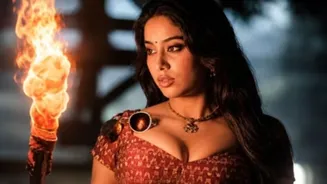

Storytelling Woven into Fabric
In the language of cinema, clothing is never just clothing. It’s a shortcut to character, status, and intent. While any well-designed costume does this, pieces rooted in cultural tradition carry an extra layer of narrative weight. They transform actors
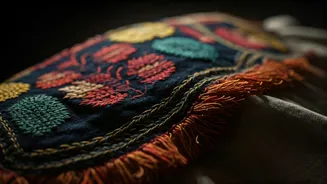
into avatars of history and heritage, communicating entire backstories before a single word is spoken. Think of Ruth E. Carter’s Oscar-winning work on *Black Panther*. The vibrant, meticulously researched designs weren’t just generic “African” outfits; they were a complex tapestry of real-world inspirations. The Dora Milaje’s armor draws from the Ndebele people, while the geometric patterns on a warrior's cloak might echo Lesotho blankets. Each choice tells a story about tribal allegiance, personal history, and the fictional nation of Wakanda itself—a place that feels real precisely because its aesthetic foundations are.
The Power of Authenticity
For decades, Hollywood’s approach to historical dress was often impressionistic, favoring whatever looked “period” over what was accurate. That tide is turning. Today’s most compelling productions understand that audiences crave authenticity, and that getting the details right creates a profoundly richer viewing experience. Look at the recent success of FX’s *Shōgun*. The production didn't just create samurai-esque armor; it enlisted historical consultants to ensure every layer of a kimono, every knot in a sash (the *obi*), and the precise way a sword was worn reflected the customs of 17th-century Japan. This obsessive attention to detail does more than satisfy history buffs. It grounds the drama, making the alien political landscape and rigid social codes feel tangible and believable. When the costumes are correct, the world feels solid, and the stakes of the story feel higher.
A Feast for the Eyes
Beyond narrative and authenticity, there is the simple, undeniable pleasure of visual artistry. When done well, traditional costuming turns every frame into a painting. The vibrant jewel tones of the saris in *Made in Heaven*, the intricate embroidery on a queen’s gown in *The Crown*, or the stunning, ethereal blue dress worn by Michelle Yeoh at the wedding in *Crazy Rich Asians*—these are moments that linger in the memory long after the plot has faded. These costumes demand attention. They play with light, texture, and silhouette in ways that modern dress rarely can. The sheer visual density—the layers, the patterns, the handcrafted feel—enriches the cinematography, giving directors and cinematographers a more dynamic canvas to work with. It's the difference between a sparse, functional set and a richly decorated one; one serves the story, but the other elevates it into art.
Connecting Culture to the Screen
Perhaps the most significant impact of this trend is its ability to foster a deeper connection between audiences and the cultures being portrayed. For viewers who share that heritage, seeing their traditional garments represented with respect and accuracy on a global stage can be a profoundly validating experience. It reframes cultural artifacts not as relics of the past, but as living, breathing elements of a vibrant identity. For others, it’s a powerful introduction to the beauty and complexity of another culture. It sparks curiosity and dismantles stereotypes, replacing them with an appreciation for genuine craftsmanship and history. In a world saturated with fast fashion and generic visuals, the deliberate, meaningful artistry of traditional costuming offers a powerful counterpoint, reminding us that what we wear has always been a fundamental part of who we are.