







Embrace the Magic of the Monsoon
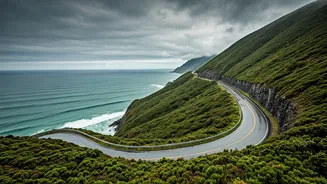
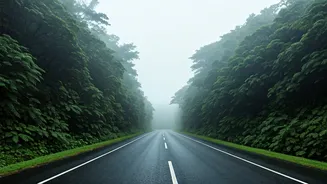
For most travelers, India’s monsoon season (roughly June to September) is a time to avoid the coast. For the savvy driver, it’s an invitation. This is when the Konkan region, a rugged stretch of India’s western coastline, sheds its sun-scorched persona
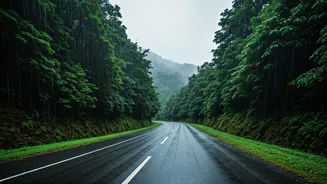
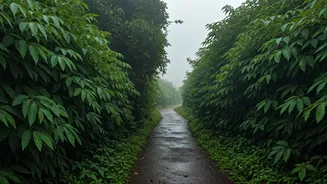
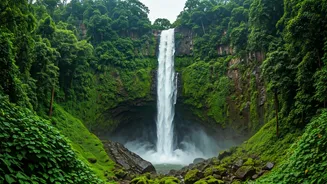
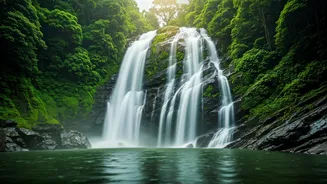
and transforms into a realm of mythic beauty. The searing heat gives way to cool, misty air. The dry hills erupt in a riot of impossible green. And seasonal waterfalls, bursting with rainwater, cascade down cliffs right beside the highway. Most importantly, the crowds vanish. You trade packed beaches for contemplative, rain-swept shores and bustling restaurants for cozy rooms where the sound of the downpour is your dinner music. A monsoon drive isn't about getting a tan; it’s about immersing yourself in a dramatic, atmospheric, and deeply restorative landscape.
Mapping Your Route: Mumbai to Goa
The Konkan Highway, officially National Highway 66 (NH-66), is the artery for this journey. While it technically runs much farther, the classic, most scenic stretch for a coastal drive is the roughly 350-mile route between Mumbai and Goa. Don't let the modest mileage fool you; this is not a trip to be rushed. The road winds through rolling hills, past tiny fishing villages, and alongside estuaries that swell with tidal waters. It’s a two-lane road for long stretches, demanding a slower, more deliberate pace. This is a blessing, forcing you to absorb the scenery rather than just race through it. Plan for at least four to five days to do the route justice, allowing for spontaneous stops, lazy lunches, and detours to hidden beaches and ancient forts.
Must-See Misty Stops
Your journey is defined by its stops. Start by heading south from Mumbai toward Ratnagiri, the heart of Alphonso mango country. In the monsoon, the orchards are a deep, verdant green. Visit Thibaw Point for panoramic views of the coast shrouded in mist. From there, continue to Ganpatipule, famous for its pristine beach and a temple where the deity is believed to be self-manifested. The monsoon waves here are powerful and mesmerizing. Further south, the port town of Malvan is your gateway to the historic Sindhudurg Fort, a 17th-century marvel built on a rocky island. While boat services can be limited by rough seas, viewing it from the shore as waves crash against its formidable walls is an unforgettable sight. Nearby, the beaches of Tarkarli and Vengurla offer serene, empty stretches of sand perfect for a reflective, rain-soaked walk.
A Taste of the Coast
A trip along the Konkan coast is an assault on the senses, and taste is paramount. This is a paradise for seafood lovers. Look for small, family-run eateries and ask for the catch of the day, often prepared in a fiery Malvani style with a coconut and red chili base. Don’t miss out on Bombil fry (Bombay duck, a local fish, fried to a crisp). For a complete experience, order a fish thali, a platter that includes a piece of fried fish, a flavorful curry, rice, chapatis, and solkadhi. Solkadhi is the quintessential Konkan beverage, a pink-hued digestive drink made from coconut milk and kokum fruit that both cools the palate and aids digestion. It's the perfect accompaniment to the region's rich, spicy cuisine.
Essential Driving & Safety Tips
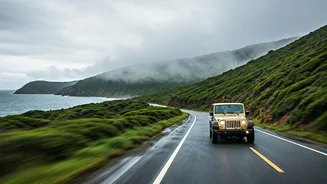
Driving in India during the monsoon requires preparation. Opt for a vehicle with good ground clearance, like an SUV, to handle potholed sections and potential waterlogging. Drive slowly and defensively; visibility can be low during heavy downpours, and roads can be slippery. Be aware of the potential for landslides in hilly sections and always have a flexible itinerary. Check local news and a reliable mapping app for road closure alerts before you set out each day. While it’s the off-season, it’s still wise to book accommodations a day or two in advance, as some smaller guesthouses may be closed. Pack waterproof jackets, quick-dry clothing, and sturdy, water-resistant footwear. Most importantly, bring a spirit of adventure. A flat tire, a closed road, or a sudden downpour isn't a problem—it’s part of the story.