





More Than a Mint on the Pillow
For decades, the hotel promise was simple: a clean, comfortable, and convenient place to lay your head. But as our collective anxiety about burnout, screen time, and chronic exhaustion has grown, the hospitality industry has identified a new frontier.
Enter the era of sleep tourism. This isn't just about high-thread-count sheets and a firm mattress anymore. We're talking about entire itineraries, multi-day retreats, and dedicated hotel wings designed with one goal: to help you achieve optimal rest. Major brands are now competing to see who can offer the most comprehensive path to slumber, transforming the simple hotel stay into a restorative wellness experience.
The Science of Sleep Sells
So, why the sudden obsession? It’s a direct response to a cultural shift. The global wellness market is a multi-trillion-dollar industry, and a significant slice of that pie is what analysts call the "sleep economy." We track our sleep with apps and wearables, we listen to bedtime story podcasts, and we buy weighted blankets and white noise machines. We’ve been conditioned to view sleep not just as a biological necessity, but as a performance metric to be optimized. Hotels are simply capitalizing on this pre-existing anxiety and desire. They're positioning themselves as high-tech, high-touch laboratories where guests can finally crack the code to a good night's rest, away from the stresses of their own homes.
Inside the Sleep Sanctuary
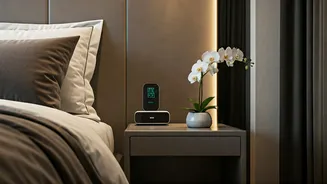
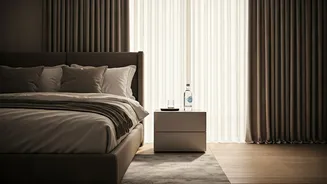
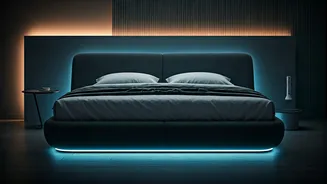
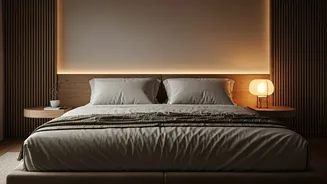
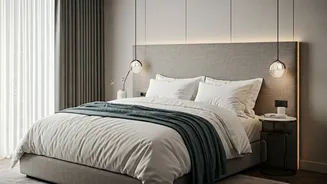
What does a sleep-focused hotel experience actually look like? It starts with the basics, amplified. Think total-blackout curtains, advanced soundproofing, and customizable pillow menus offering everything from buckwheat to memory foam. But it quickly gets more advanced. Luxury brands like Rosewood have launched multi-day "Alchemy of Sleep" retreats. The Park Hyatt New York offers a 1,300-square-foot "Sleep Studio" suite complete with an AI-powered Bryte Restorative Bed that adjusts temperature and firmness throughout the night. Equinox Hotels, born from a high-end fitness brand, famously calls its rooms "dark, quiet, cool" temples for sleep, featuring performance-driven mattresses and app-guided wind-down rituals.
Beyond the Bedroom
The focus on rest doesn't end when you leave the room. These programs are holistic. A stay might include a consultation with a "sleep concierge" who helps you create a personalized rest plan. The spa menu will likely feature treatments designed to induce relaxation, like magnesium massages or specific aromatherapy sessions. The room service menu might offer sleep-friendly foods and herbal teas, while the minibar could be stocked with CBD-infused drinks instead of sugary sodas and alcohol. Some hotels even offer guided yoga nidra (a form of sleep-based meditation), access to breathing coaches, or digital detox programs where they gently encourage you to surrender your phone upon check-in. The entire property is reoriented around slowing down.
Is It Worth the Investment?
Naturally, these experiences don't come cheap. Sleep suites and curated retreats are a premium offering, often adding hundreds or even thousands of dollars to a stay. For the chronically sleep-deprived and wellness-obsessed traveler, the promise of returning from a vacation feeling genuinely rested—not more tired—is a powerful value proposition. It reframes a trip as an investment in personal health. For others, it may seem like an expensive gimmick. The ultimate test is whether these high-tech beds and sleep-centric amenities provide a demonstrably better experience than simply putting your phone on 'Do Not Disturb' and drawing the curtains in a standard room. The answer likely depends on how much you're willing to pay for peace of mind.