






The Arrival of ‘Coffee Snow’
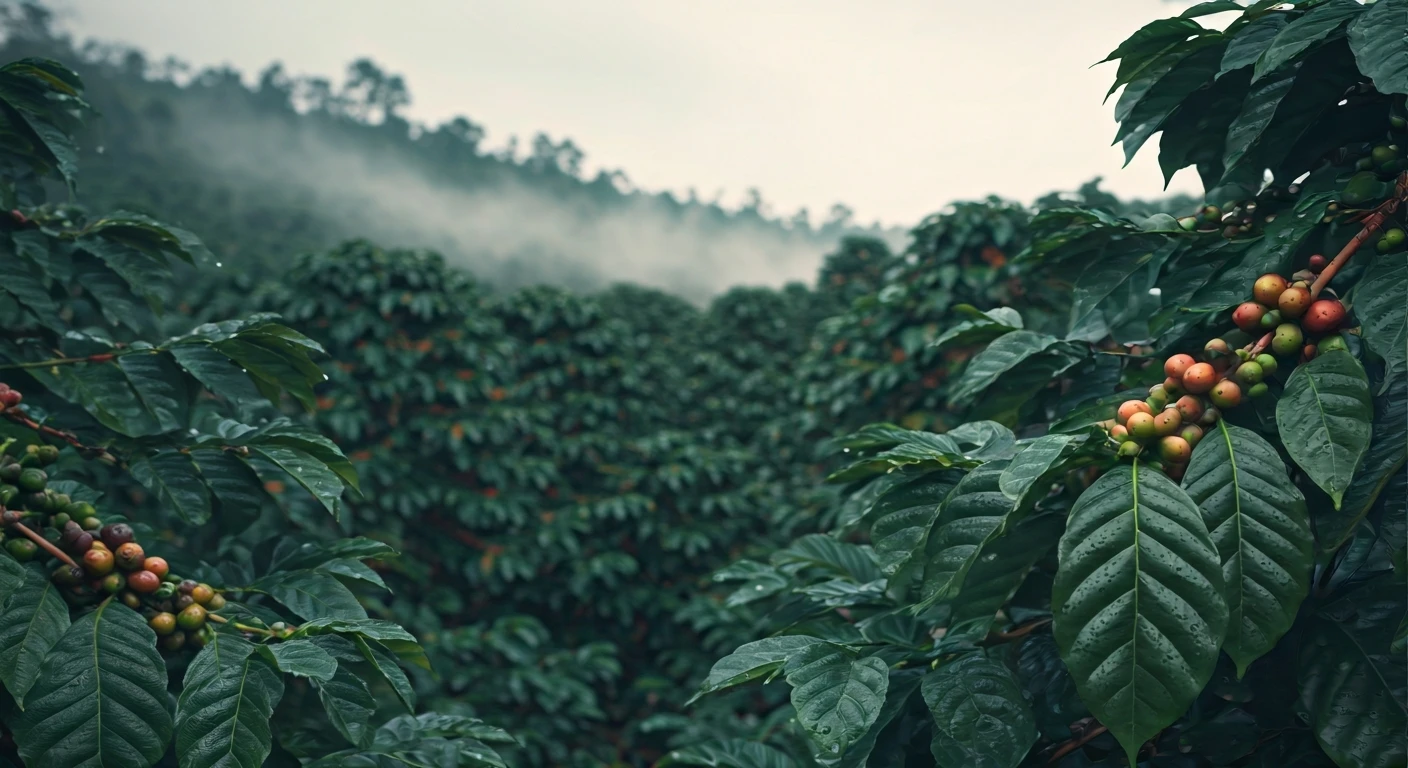
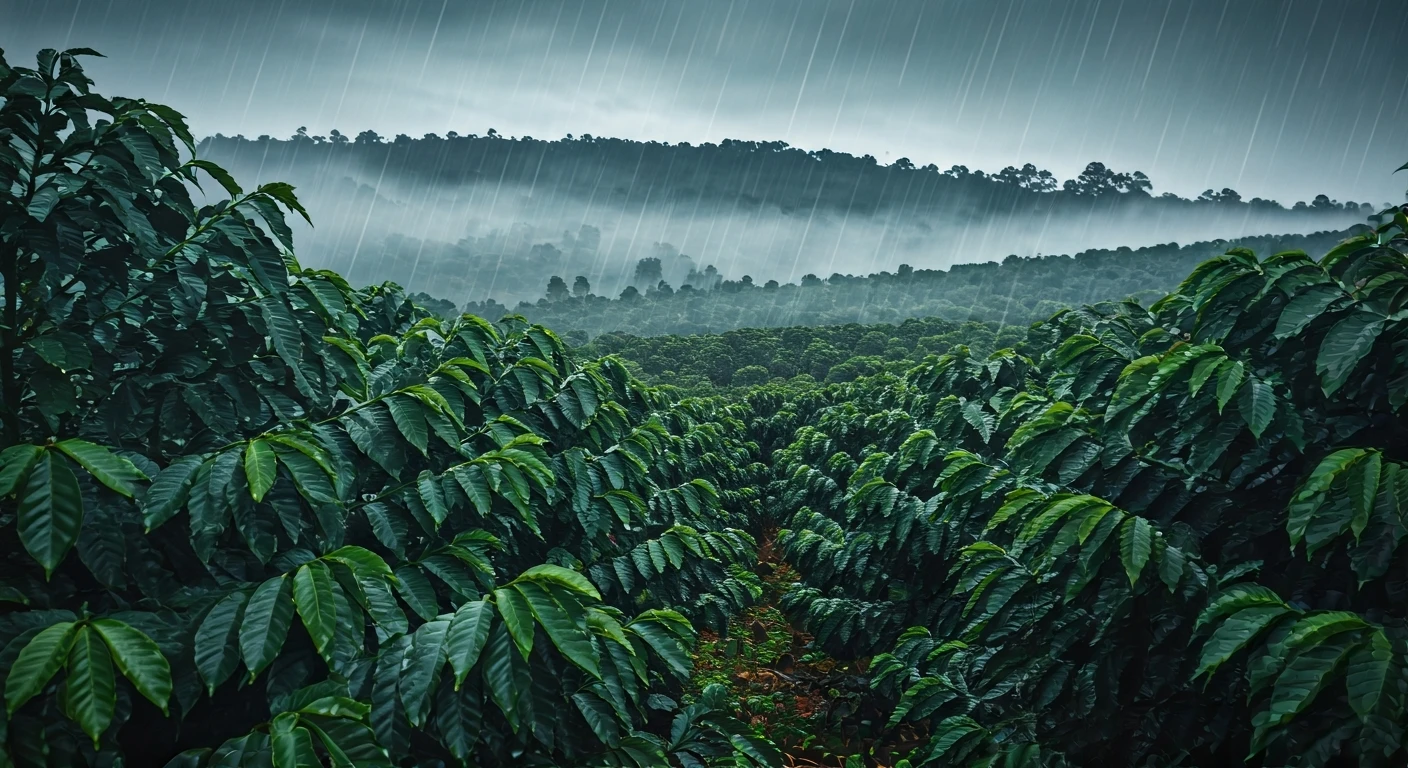
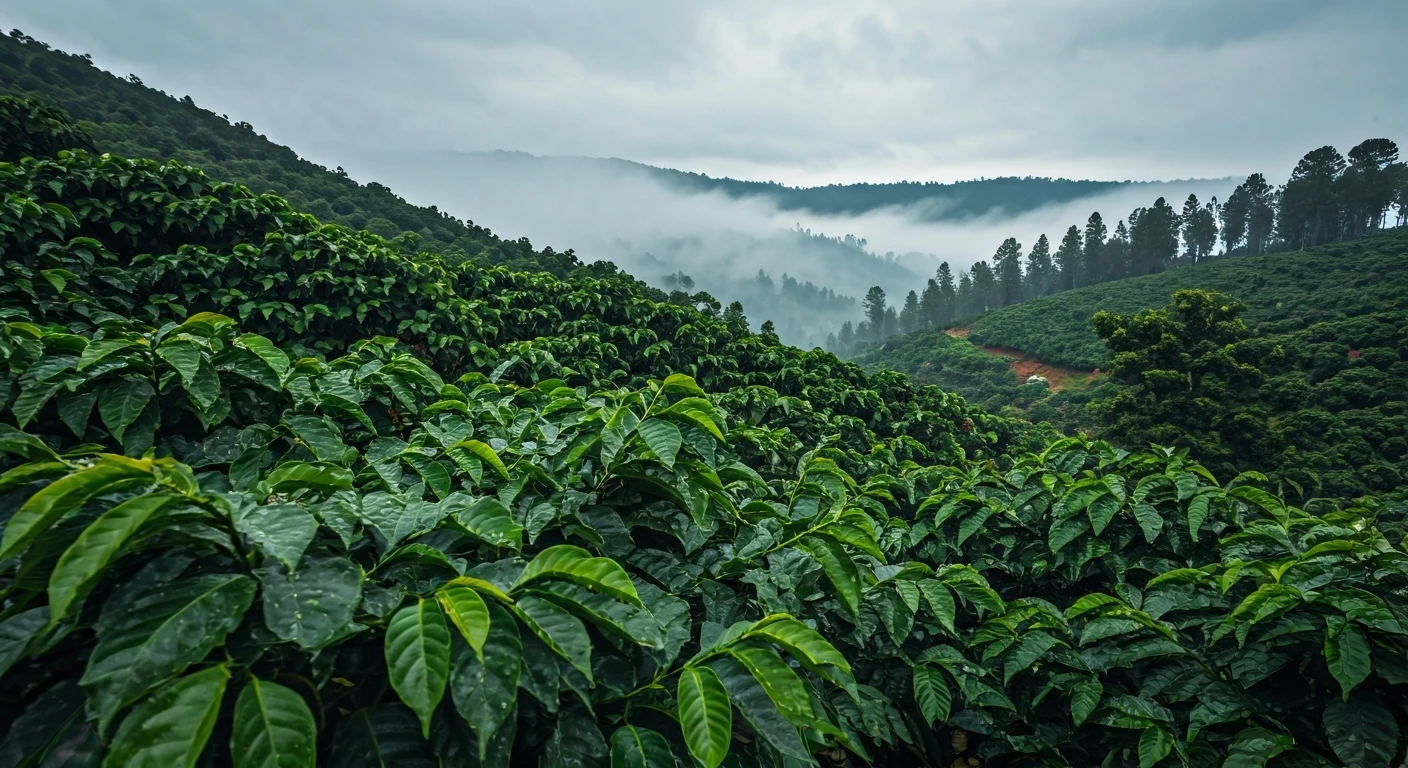
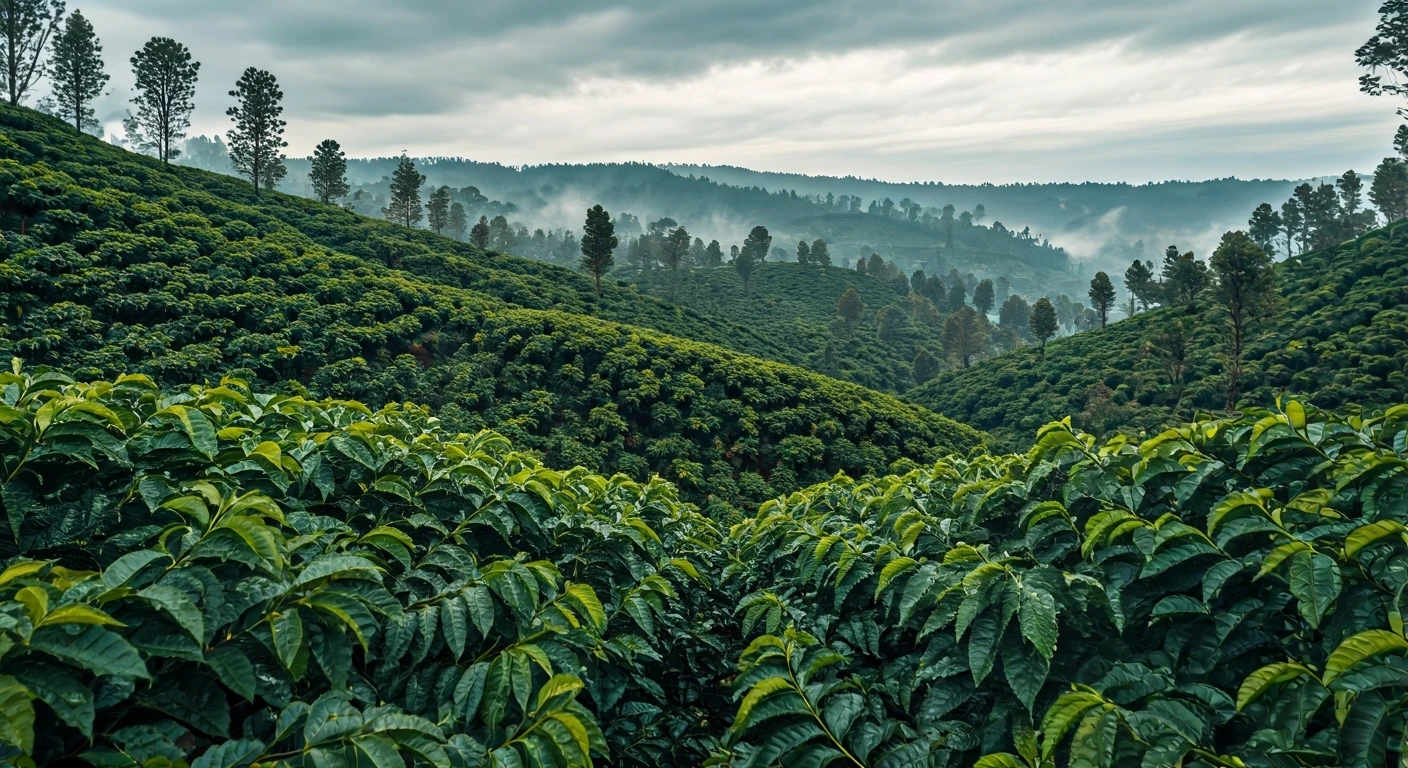
Imagine rolling hills, their contours softened by a deep green canopy. For months, the landscape of Coorg, a district in India’s southern state of Karnataka, has been parched and waiting. Then, in late March or early April, the first pre-monsoon showers,
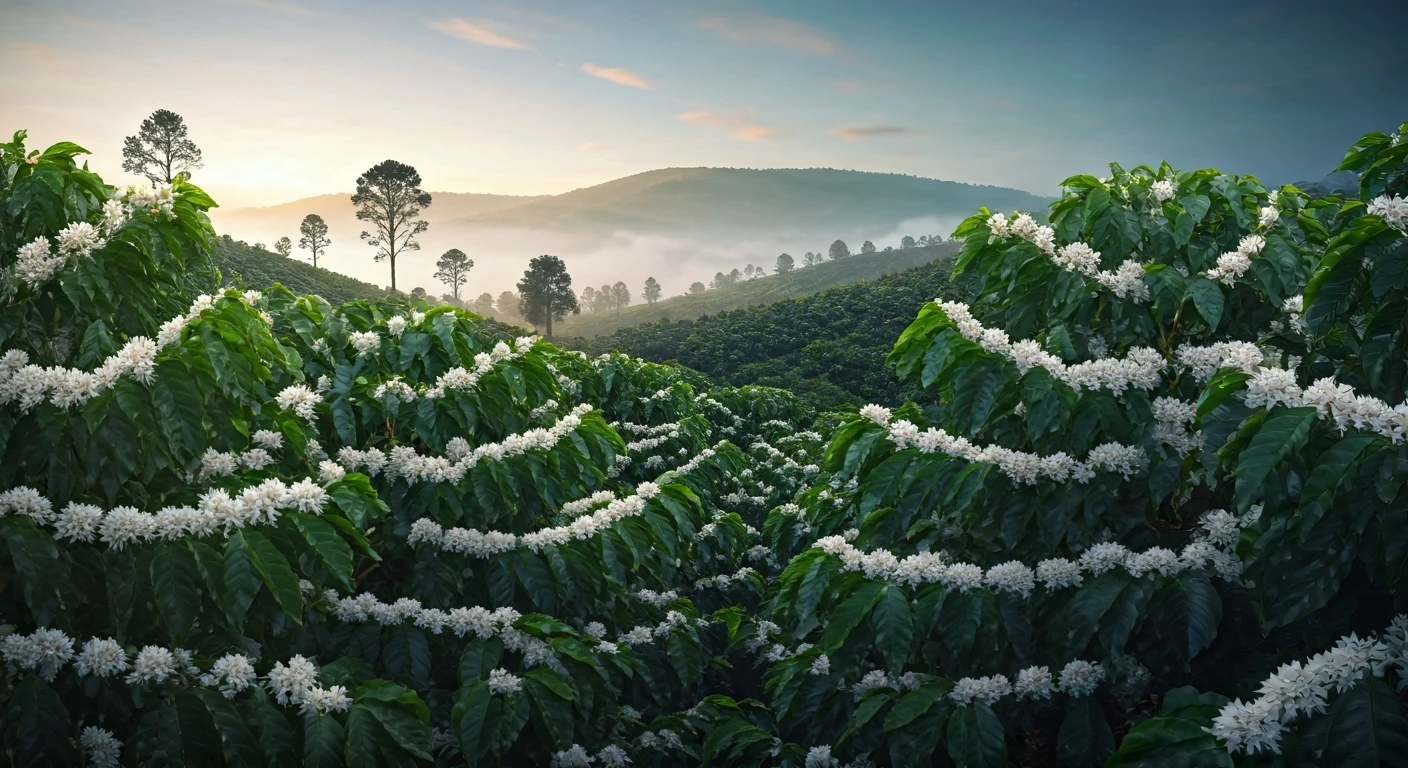
known locally as ‘blossom showers,’ arrive. They are not the relentless deluge of the coming monsoon but a gentle quenching of the thirsty earth. And within days, a miracle unfolds. The coffee estates, which cover over a third of the district, erupt in a sea of white. From a distance, it looks as if a light snow has dusted the hillsides, a phenomenon affectionately called ‘coffee snow.’ Up close, each branch of the coffee plants—both Arabica and Robusta—is laden with delicate, star-shaped white flowers. The sight is so overwhelming and so beautiful that for a few precious days, the entire region seems to be holding its breath, wrapped in a blanket of white.
A Symphony for the Senses
This pre-monsoon glow-up is more than just a visual spectacle; it's a full-sensory experience. The air, washed clean by the recent rain, becomes thick with the intoxicating fragrance of the blossoms. It’s a sweet, powerful scent, often compared to jasmine but with its own unique, heady character. The perfume is so pervasive it drifts through villages, across roads, and into homes, signaling a change in season and fortune. The soundscape shifts, too. The blossoms attract a frenzy of activity. The gentle hum of honeybees, nature’s essential pollinators, fills the air as they work tirelessly, flitting from flower to flower. Their frantic dance is crucial. Each pollinated blossom represents a potential coffee cherry, the fruit that will eventually yield the precious beans. For the coffee planters who have carefully tended these plants all year, this buzzing is the sound of a promising future.
The Promise in Every Petal
While travelers and photographers flock to witness the beauty, for Coorg’s coffee growers, the blossom is a critical economic indicator. This isn’t just a glow-up; it’s the starting gun for the entire agricultural year. A uniform, widespread bloom is a sign of a healthy, well-managed estate and portends a robust harvest later in the year. An uneven or sparse flowering, on the other hand, can be a source of great anxiety. The timing and intensity of the pre-monsoon showers are critical. Too little rain and the buds won’t open properly. Too much, and the delicate flowers can be damaged or washed away. It’s a high-stakes waiting game determined by the whims of nature. When the conditions are perfect, the flowering is so synchronized and spectacular that it becomes a moment of communal celebration and optimism. These flowers are, quite literally, the foundation of the local economy and the first chapter in the story of the coffee that will eventually land in cups around the world.
A Fleeting Beauty
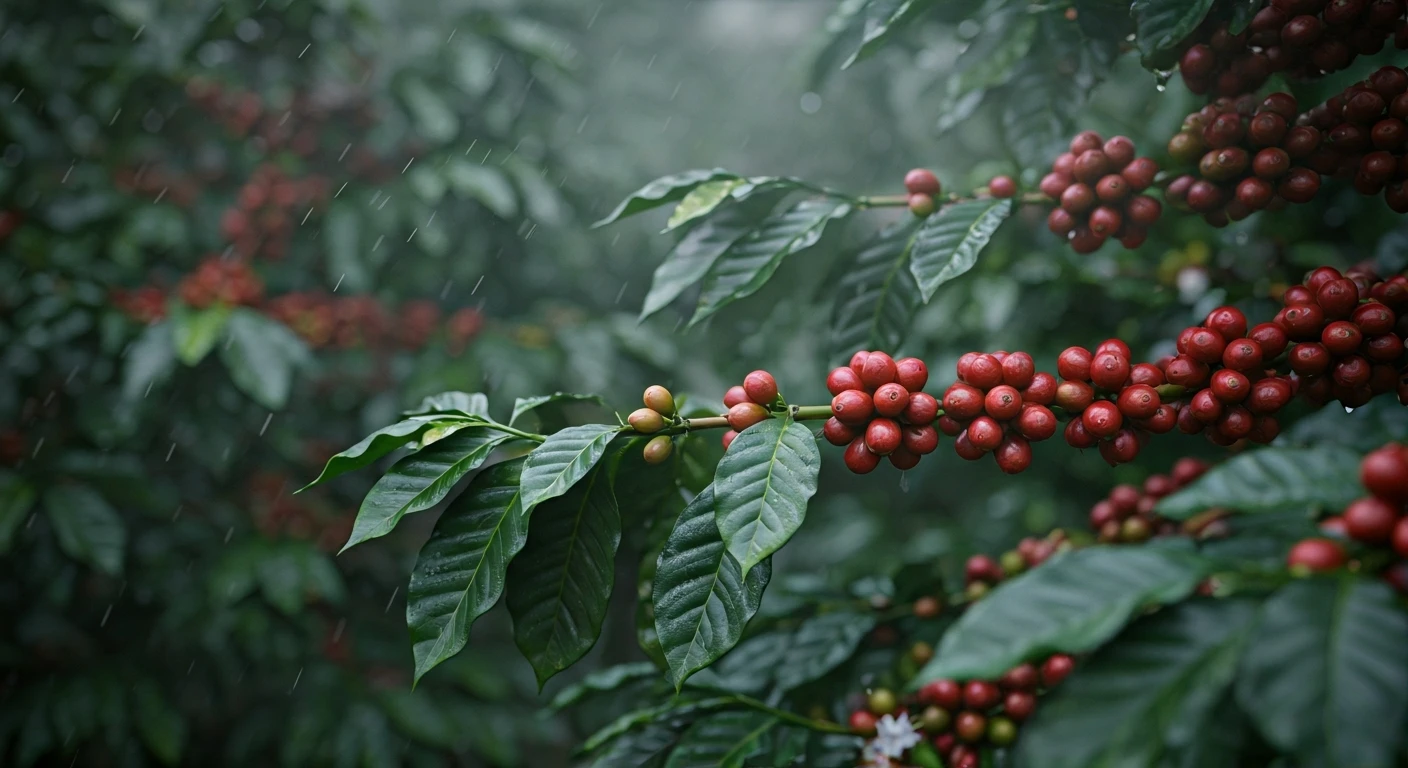
The magic of the coffee blossom is its fleeting nature. This stunning display lasts for just a handful of days—sometimes only two or three—before the petals begin to fall, carpeting the ground below like a dusting of snow. Within a week to ten days, the spectacle is over. The branches are once again just green leaves, but now they hold the promise of what’s to come: tiny green nodes that will slowly swell into bright red coffee cherries over the next eight to nine months. For those lucky enough to witness it, the experience is unforgettable. It’s a reminder that the journey of coffee is not just an industrial process but a deeply agricultural and seasonal one. The ‘glow-up’ of the Coorg estates is a brief, beautiful moment when the potential of a billion-dollar industry is visible in the form of a million tiny, fragrant flowers.