



Why Bamboo Thrives in Humidity
The word “monsoon” might bring to mind the dramatic seasonal rains of South Asia, but for many Americans—from the muggy summers of the Southeast to the intense monsoon season in the Southwest—battling humidity is a familiar struggle. It seeps into our
homes, making fabrics feel damp, doors stick, and certain woods warp. This is where bamboo distinguishes itself. Unlike many traditional hardwoods that swell and contract significantly with moisture changes, bamboo is technically a grass. Its dense, fibrous structure is inherently more stable. Furthermore, most bamboo used in quality home goods undergoes a treatment process like carbonization, where it's steam-heated to remove sugars and starches. This not only gives it a richer, warmer color but also makes it far less appealing to mold and more resistant to moisture absorption, preventing the warping and cracking that can plague other materials in a damp environment.
The Aesthetic: A Warm, Natural Glow
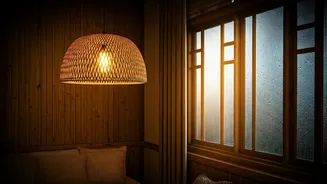
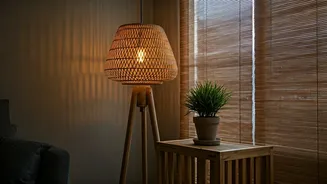
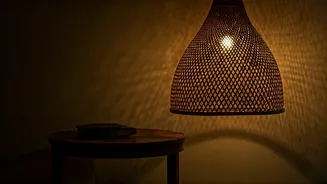
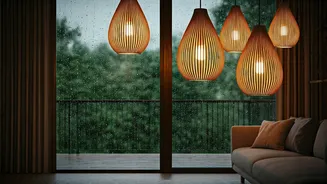
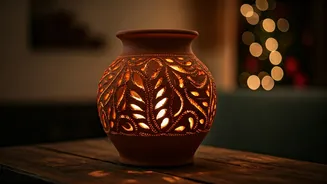
Beyond its practical strengths, the real magic of a bamboo fixture is the quality of light it produces. Whether it’s a large, woven pendant or a delicate table lamp, the natural fibers act as a perfect diffuser. Instead of a harsh, direct glare, the light is filtered through the bamboo, casting a warm, gentle, and often intricately patterned glow. This effect is an instant antidote to a gray, overcast day. It creates an inviting, cozy atmosphere that feels both organic and sophisticated. This connection to nature, known as biophilic design, is more than just a trend; it's a proven way to enhance well-being by bringing outdoor textures and patterns indoors. A bamboo lamp doesn't just illuminate a room; it imbues it with a feeling of serene, sun-dappled calm, even when the weather outside is anything but.
What to Look For When Shopping
Not all bamboo fixtures are created equal, especially when you need them to perform in high humidity. To ensure longevity, look for terms like “treated,” “carbonized,” or “engineered bamboo” in the product description. This indicates the material has been processed for enhanced durability. While handmade, artisanal pieces are beautiful, check if they’ve been sealed or finished to protect against moisture. Consider the style that best suits your space. A large, dramatic pendant can serve as the focal point in a living room with high ceilings, while a series of smaller bamboo sconces can create a warm, ambient path down a hallway. For versatility, floor lamps with woven bamboo shades can be moved to whichever corner needs a little extra brightness. Finally, pair your fixture with a warm-toned LED bulb. LEDs produce very little heat, which is an added bonus in a humid room, and their long lifespan means you won’t have to frequently disturb your beautiful new fixture.
Styling for Maximum Impact
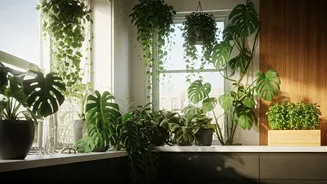
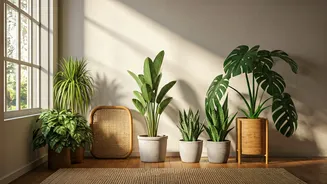
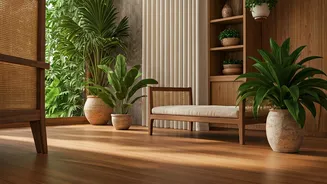
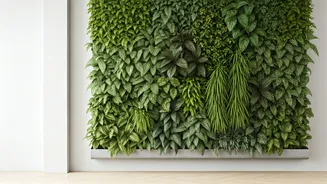
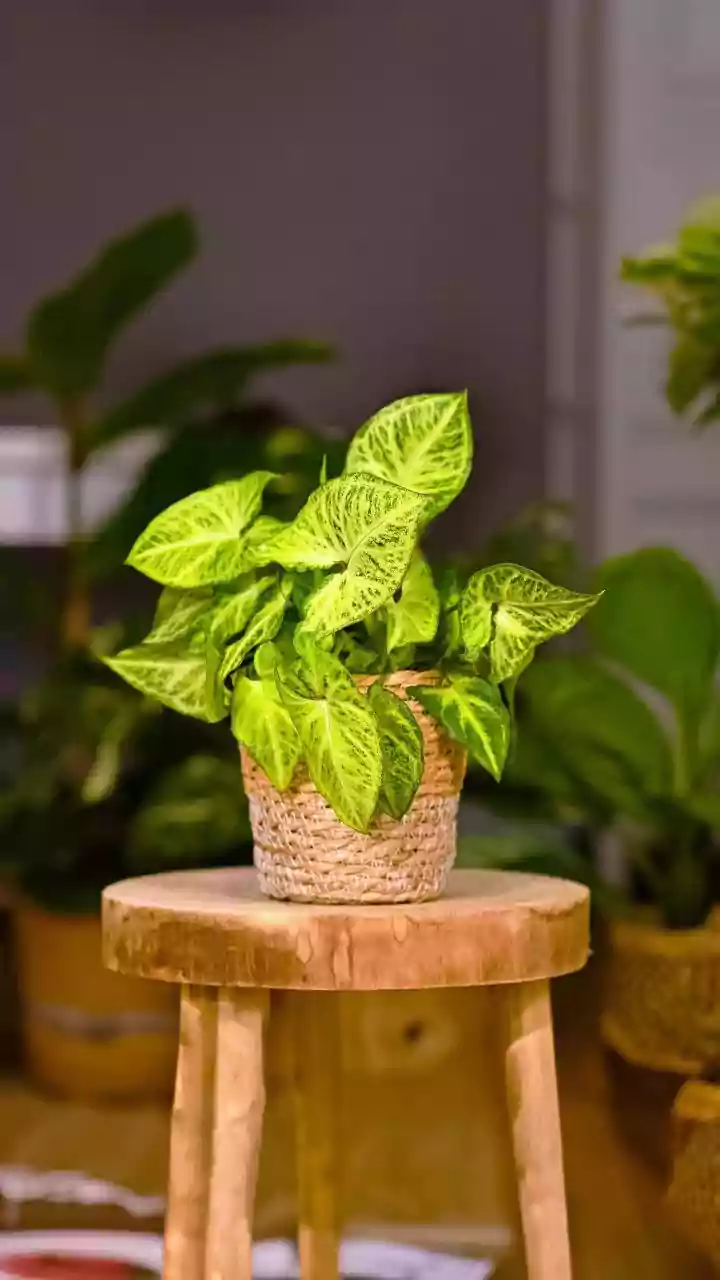
Integrating a bamboo fixture into your decor is about creating a cohesive, comforting environment. Let the lamp be a textural centerpiece and build around it. Pair it with other natural materials to enhance the organic vibe: a jute rug, linen throw pillows, or ceramic planters with lush green plants that thrive in humidity. The light color and natural finish of bamboo complement a wide range of aesthetics, from minimalist and Scandinavian to bohemian and coastal. Place a bamboo pendant low over a reading nook to create an intimate escape, or hang one above a dining table to make meals feel more special. The key is to use the fixture not just as a source of light, but as a deliberate design element that introduces texture, pattern, and warmth, actively pushing back against the monotony of a long, gray season.