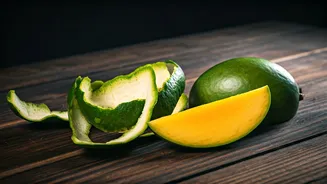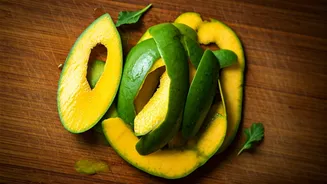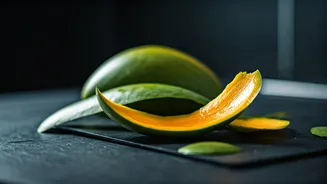





The Appeal of the Peel
For most of us, eating a mango involves a familiar ritual: slice, scoop, and discard the skin. But in the spirit of reducing food waste and exploring new flavors, that last step is getting a major rethink. So, why bother? First, sustainability. Food waste is a massive
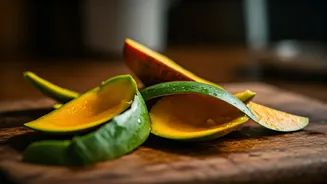
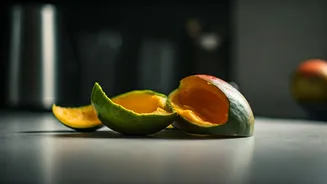
issue, and using the whole fruit is a simple, effective way to combat it in your own kitchen. Think of it as free food you were about to throw away. Beyond the eco-credentials, mango peels are a nutritional powerhouse. They are packed with fiber, which is great for digestive health. They also contain a significant concentration of polyphenols, vitamin C, vitamin A, and carotenoids—antioxidants that help protect your body's cells. The star compound is mangiferin, a potent antioxidant that has been studied for its potential anti-inflammatory and health-promoting properties. In many cases, the peel has a higher concentration of these beneficial compounds than the flesh itself.
A Quick Word of Caution
Before you dive in, there are two important things to consider. First, pesticides. Like many fruits, non-organic mangoes can have pesticide residues on their skin. To be safe, always opt for organic mangoes if you plan to eat the peel. Regardless, you should scrub the skin thoroughly with a vegetable brush under running water before using it. Second, and more critically, is the potential for an allergic reaction. Mangoes belong to the same plant family as poison ivy and poison oak. Their peels, stems, and leaves contain urushiol, the same compound that causes the infamous itchy rash. While many people can eat mango flesh without issue, the concentration of urushiol is highest in the peel. If you have a known sensitivity to poison ivy or have ever experienced a rash around your mouth after eating mangoes, it is best to avoid eating the peel. For everyone else, it’s wise to start with a very small amount to see how your body reacts.
From Trash to Treasure: Prep is Key
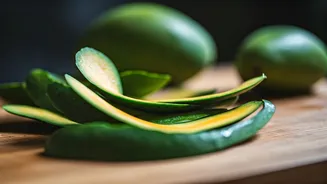
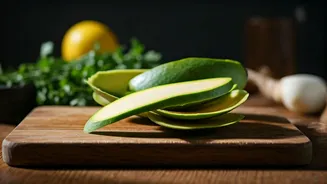
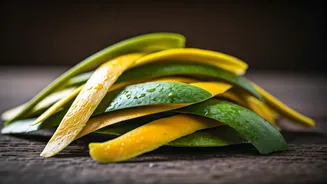
The main complaints about raw mango peels are their tough, fibrous texture and slightly bitter taste. The key to the glow-up is knowing how to tame them. For most recipes, you’ll want to slice the peel away from the flesh with a vegetable peeler or a sharp knife, trying not to get too much of the sweet fruit attached. A very thin slicing can make the texture more palatable for eating raw in salads. For other preparations, cooking is your best friend. Boiling or simmering the peels softens them and can help mellow out any bitterness. The specific prep will depend on what you’re making, but a good wash is always the non-negotiable first step.
The Recipe Glow-Up: Three Modern Takes
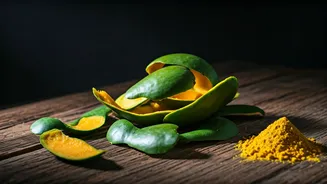
Ready to experiment? The glow-up isn’t about just grudgingly eating the peel; it’s about transforming it into something genuinely delicious. 1. **Crispy Mango Peel Chips:** Toss thinly sliced peels with a neutral oil, a pinch of salt, and a sprinkle of chili powder or paprika. Spread them in a single layer on a baking sheet and bake at a low temperature (around 250°F) until they are dry and crispy. They become a crunchy, tangy-spicy snack. 2. **Mango Peel “Quick Pickle”:** Finely julienne the peels of one or two mangoes. In a jar, combine them with a thinly sliced shallot and maybe a few slices of jalapeño. Pour over a hot brine made from equal parts vinegar and water, plus a tablespoon of sugar and a teaspoon of salt. Seal the jar, let it cool, and refrigerate. In a day, you’ll have a zesty, crunchy condiment that’s incredible on tacos, sandwiches, or grain bowls. 3. **Mango Peel Powder:** This is peak wellness glow-up. Lay your cleaned peels on a baking sheet and dehydrate them in the oven at its lowest setting until completely brittle (this can take several hours). Alternatively, use a food dehydrator. Once they are bone-dry, let them cool and then blitz them into a fine powder in a spice grinder. This powder can be added to smoothies, oatmeal, yogurt, or used as a component in a spice rub for chicken or fish, adding a subtle, aromatic fruitiness and a nutritional boost.