


The Rise of the 'Nothing-cation'
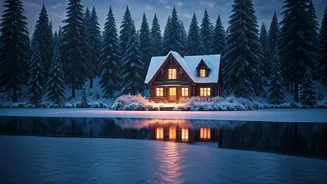
First, let’s define the movement. This isn’t about going somewhere boring; it’s about freeing your itinerary from the tyranny of the “must-see” list. The goal of a crowd-free escape, or a 'nothing-cation,' isn't to accumulate photos and stories to impress
others. It’s to decompress, connect, and experience a place without the pressure to perform. This shift was accelerated by the pandemic, which forced travelers to explore closer to home and rediscover the joys of solitude and nature. Now, it's a conscious choice. People are actively seeking out destinations where the main attraction is the absence of attractions—and the peace that comes with it.
Embrace the Second City
Instead of booking a flight to New York or Los Angeles, savvy travelers are exploring America's 'second cities.' Think Boise instead of Denver, or Richmond instead of Washington, D.C. These smaller urban hubs offer much of the same appeal—great food scenes, walkable neighborhoods, vibrant arts, and local history—but without the overwhelming crowds and inflated prices. A trip to a place like Chattanooga, Tennessee, or Kansas City, Missouri, allows for a more relaxed pace of discovery. You can spend a weekend popping into local boutiques, finding a great craft brewery, and actually getting a dinner reservation without booking months in advance. It's the city break experience, recalibrated for genuine enjoyment rather than a frantic checklist.
Discover America's Quieter Public Lands
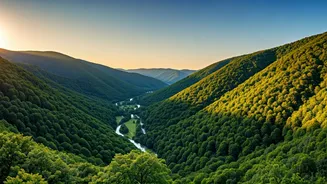
Zion and Yellowstone are magnificent, but they can sometimes feel more like theme parks than wilderness sanctuaries. The crowd-free alternative? Exploring the nation's vast network of National Forests, Bureau of Land Management (BLM) areas, and state parks. These lands often sit adjacent to their more famous National Park cousins and offer staggering beauty with a fraction of the foot traffic. Consider the Sawtooth National Forest in Idaho for alpine lakes that rival the Tetons, or the Ozark National Forest in Arkansas for stunning hiking and waterfalls. This approach requires a bit more planning—services are fewer and trails less manicured—but the reward is immense: true solitude and a powerful connection to the American landscape.
Master the Art of the Off-Season
Even the world's most popular destinations have a quiet side; you just have to know when to go. Visiting a classic tourist hotspot during its 'shoulder season' (the months just before or after peak season) or deep off-season can transform the experience. Imagine strolling through a New England coastal town in April before the summer rush, or exploring the wineries of Northern California on a crisp November weekday. Not only are the crowds gone, but prices for flights and accommodations are often significantly lower. The weather might not be 'perfect,' but the trade-off is a more authentic glimpse into local life and the chance to see a familiar place in a new, more intimate light.
Seek Out the Dark Sky Sanctuaries
Perhaps the ultimate crowd-free escape is one that looks up. With light pollution erasing the stars from the sky in most populated areas, 'astrotourism' has become a powerful new travel motivator. Designated Dark Sky Parks and Sanctuaries—places like Big Bend National Park in Texas or Headlands International Dark Sky Park in Michigan—offer a celestial spectacle that is both humbling and awe-inspiring. These trips are inherently remote, taking you to sparsely populated areas where the main event begins after sunset. It's a profound reminder of the universe's scale and a perfect antidote to our screen-saturated, brightly-lit lives. The goal isn't to 'do' anything, but simply to be present and witness something extraordinary.