
The Wisdom in Eating Old-School
There’s a growing movement to look backward for food inspiration, and it’s about more than just nostalgia. After decades of hyper-processed, nutrient-stripped foods, many are rediscovering the power of whole, traditional ingredients that have nourished
civilizations for millennia. This isn’t about cosplaying as a homesteader; it’s a strategic retreat to foods that are inherently functional, sustainable, and proven by time. These 'retro' foods are making a comeback not because they’re quaint, but because they solve modern problems—offering dense nutrition, supporting gut health, and often being kinder to the planet. At the forefront of this delicious revolution are two powerhouses from South Asia: sattu and millets.
Meet Sattu: The Original Protein Powder
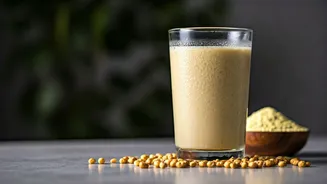
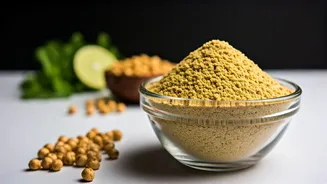
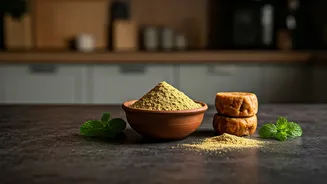
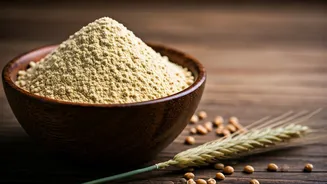
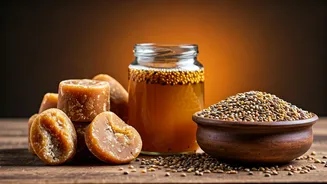
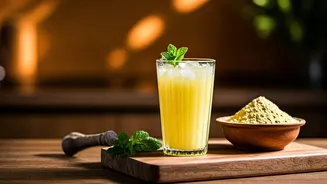
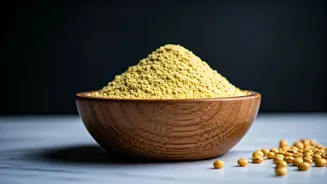
Before sleek tubs of whey and soy isolate lined health food store shelves, there was sattu. At its core, sattu is a flour made from roasted grains and legumes, most commonly roasted chickpeas (kala chana). This simple roasting process is a stroke of genius. It not only imparts a nutty, earthy flavor but also makes the nutrients more bioavailable. For generations in India, particularly in states like Bihar and Uttar Pradesh, sattu has been the go-to fuel for farmers and laborers. Mixed with water, salt, and a squeeze of lime, it becomes a hydrating, cooling, and incredibly nourishing drink that provides sustained energy. Its nutritional profile is what makes it a 'smart' choice today. It's packed with plant-based protein, high in insoluble fiber that aids digestion, and has a low glycemic index, which helps regulate blood sugar. Think of it as a clean, one-ingredient protein-and-fiber supplement that you can add to smoothies, bake into flatbreads (parathas), or use as a thickening agent in savory dishes.
The Mighty Return of Millets
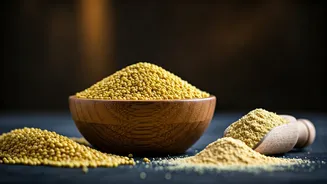
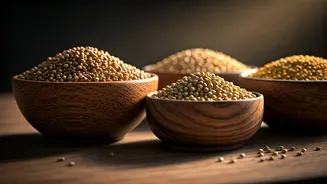
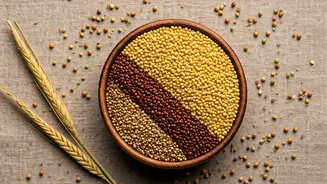
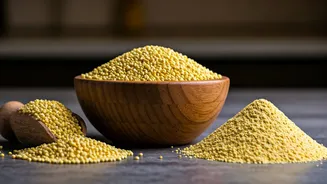
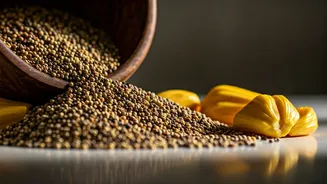
If you’ve heard of quinoa, you’re ready for millets. Millets aren't a single grain but a diverse group of small-seeded grasses that include varieties like sorghum (jowar), pearl millet (bajra), and finger millet (ragi). Once staple foods across Asia and Africa, they were largely displaced by the agricultural push for wheat and rice. Now, they’re being hailed as 'miracle grains' for the 21st century. Why? First, they are nutritional dynamos. Naturally gluten-free, they are rich in essential minerals like magnesium, iron, and phosphorus. Their high fiber content makes them filling and beneficial for digestive health. But their 'smartest' quality might be environmental. Millets are famously hardy, drought-resistant crops that thrive in arid conditions with minimal water and fertilizer. In an era of climate change and water scarcity, cultivating millets is a profoundly sustainable agricultural choice. The UN even declared 2023 the 'International Year of Millets' to promote their potential to enhance food security and nutrition globally.
Why Ancient Is the New Modern
So, what makes embracing these old-world staples such a savvy move? It’s the convergence of three key benefits. First, you get superior nutrition without the processing. Unlike many modern health foods that are engineered in a lab, sattu and millets are whole foods with naturally occurring vitamins, minerals, and fiber. Second, they are incredibly versatile. You can swap out your morning oats for a creamy millet porridge, use sattu to make energy balls, or substitute millet flour in your baking for a gluten-free boost. They fit seamlessly into a modern diet without requiring a complete lifestyle overhaul. Finally, choosing these ingredients is a vote for a more resilient and diverse food system. By creating demand for crops like millets, consumers can support farming practices that are better for the soil and less reliant on finite resources. It's a rare win-win-win: good for your body, good for the planet, and delicious on your plate.