





Beyond the Yoga Mat
For years, yoga was the primary wellness export from the Indian subcontinent to find mainstream success in the U.S. But as Americans dig deeper, many are discovering yoga’s sister science: Ayurveda. Often described as one of the world's oldest holistic
healing systems, Ayurveda (a Sanskrit word meaning “the science of life”) is less a specific treatment and more a complete philosophy for living in balance. Developed over 3,000 years ago in India, its core belief is that health and wellness depend on a delicate equilibrium between the mind, body, and spirit. It’s not about a quick fix, a crash diet, or a single workout. Instead, it’s a comprehensive framework that addresses everything from diet and exercise to sleep patterns and mental wellbeing, personalized to an individual’s unique constitution.
The New Wellness Tourism
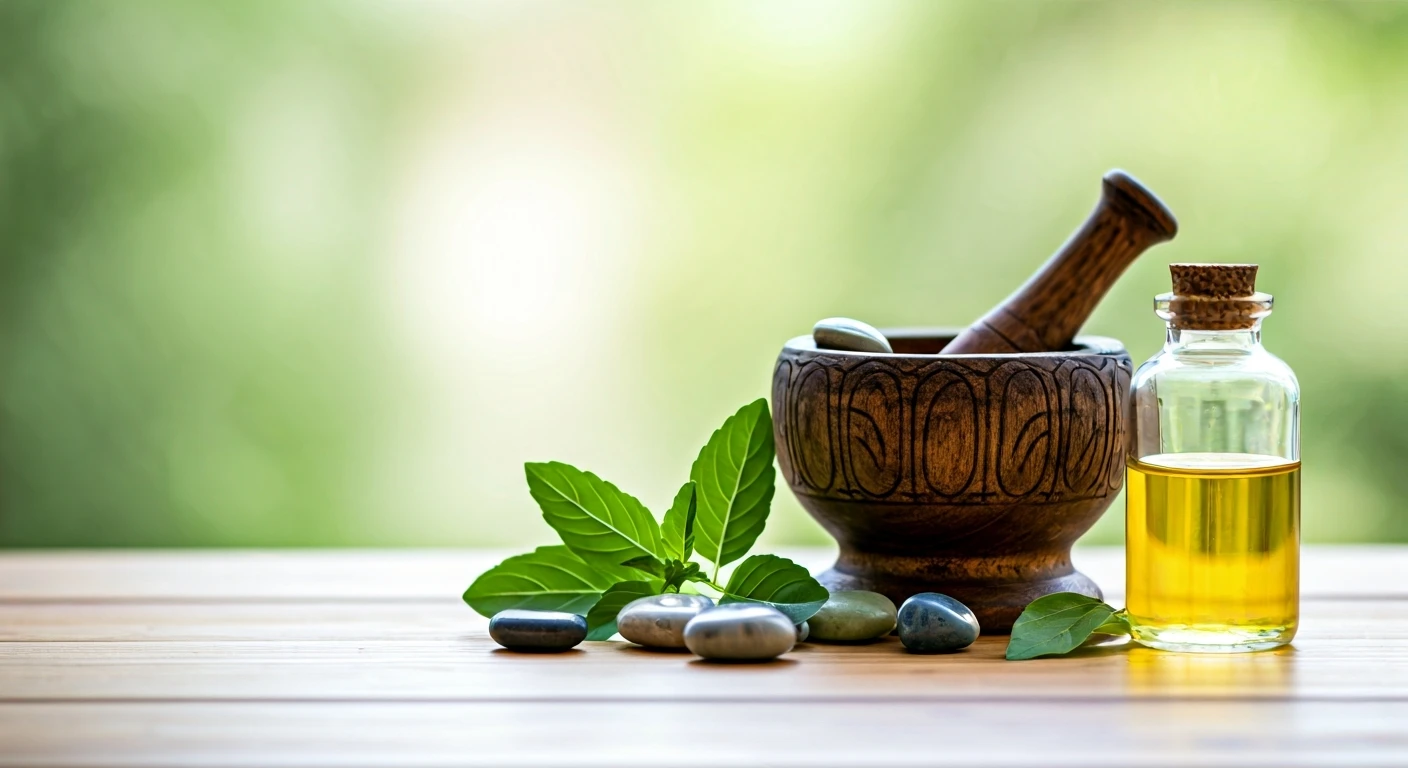
This ancient system is finding a modern audience through wellness tourism. Burned out by the constant hustle of American life, travelers are increasingly seeking more than just a beach and a cocktail. They’re booking trips to dedicated Ayurvedic centers and retreats in places like Kerala, India, or Sri Lanka, trading their work laptops for consultations with Ayurvedic doctors, personalized meal plans, and specific treatments like oil massages (abhyanga) and herbal therapies. They go looking for a reset button and stumble upon what feels like a user manual for their own body. This immersive experience, far from the distractions of daily life, allows the principles to take root in a way a weekend workshop back home rarely can.
Why This Souvenir Lasts
So why is Ayurveda “sticking” in a way that other wellness fads don’t? The answer may lie in its personalized and deeply intuitive approach. At the heart of Ayurveda is the concept of the three doshas—Vata, Pitta, and Kapha—which are elemental energies believed to govern our physical and mental characteristics. A practitioner helps you identify your dominant dosha(s) and understand how to keep them in balance through diet, lifestyle, and daily routines. In a wellness landscape saturated with one-size-fits-all solutions, this bespoke guidance feels revolutionary. It’s not about following a rigid set of rules, but about learning to listen to your own body. This empowerment is what makes the practice sustainable long after the vacation ends.
From Retreat to Daily Routine
Bringing Ayurveda home doesn’t mean recreating an entire Indian retreat in your two-bedroom apartment. Instead, it manifests in small, sticky habits. It might be starting the day with tongue scraping and a glass of warm water to aid digestion, a practice known as 'dinacharya' or daily routine. It could be shifting one’s diet to include foods that balance their specific dosha—more cooling foods for a fiery Pitta type, for instance. Or it might simply be a newfound awareness of the connection between a stressful workday and an upset stomach, and having the tools to address both. These small, consistent practices become anchors in a busy life, a tangible link back to the sense of balance and wellbeing discovered thousands of miles away.