



Beyond the Peloton Bike
When Americans think of a 'wellness space' at home, the image that often comes to mind is a dedicated home gym, a high-end stationary bike, or maybe a spa-like bathroom with a rainfall showerhead. But the movement taking root in India’s rapidly urbanizing
landscape goes far deeper. It’s not about adding a wellness-themed room; it's about re-engineering the entire home to be a proactive environment for physical, mental, and spiritual well-being. This philosophy treats the home not as a passive container for life, but as an active participant in it. It’s a shift from home-as-status-symbol to home-as-support-system, where every design choice is filtered through the lens of health.
Ancient Wisdom, Modern Blueprint
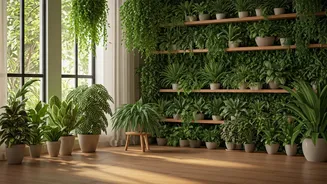
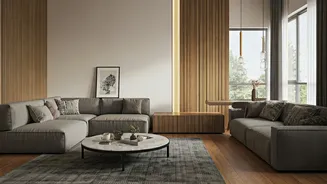
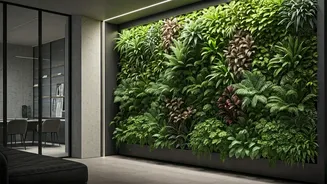
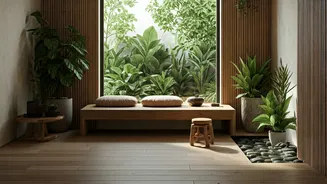
What makes this trend distinctly Indian is its fusion of cutting-edge technology with ancient principles. At its core is the revival and modernization of Vastu Shastra, a traditional Hindu system of architecture often described as 'Indian feng shui.' Vastu dictates principles for design, layout, and spatial geometry to channel positive energy. For centuries, it was often seen as a rigid, sometimes superstitious practice. Today, however, architects and developers are reinterpreting it for the 21st century. They’re blending Vastu’s emphasis on natural light, airflow, and directional alignment with modern wellness concepts like biophilic design—the practice of connecting people and nature. This means incorporating indoor gardens, living walls, natural materials like stone and untreated wood, and large windows that frame views of greenery, all while ensuring the home's layout feels energetically balanced.
The Post-Pandemic Accelerator
Like in much of the world, the COVID-19 pandemic was a massive catalyst. Confined to their homes for extended periods, India's growing middle and upper classes became acutely aware of their living environments' shortcomings. Issues like poor air quality in dense cities, a lack of access to private green space, and layouts not conducive to work-life balance were thrown into sharp relief. This created a surge in demand for homes that do more. Developers who were already dabbling in 'green buildings' have now pivoted to 'wellness real estate.' The focus isn't just on sustainability for the planet, but on sustainability for the person. This is coupled with a broader cultural shift, where a generation of affluent Indians is more proactive about health, mental well-being, and seeking a slower, more intentional lifestyle amidst the hustle of modern India.
What a Wellness Home Actually Looks Like
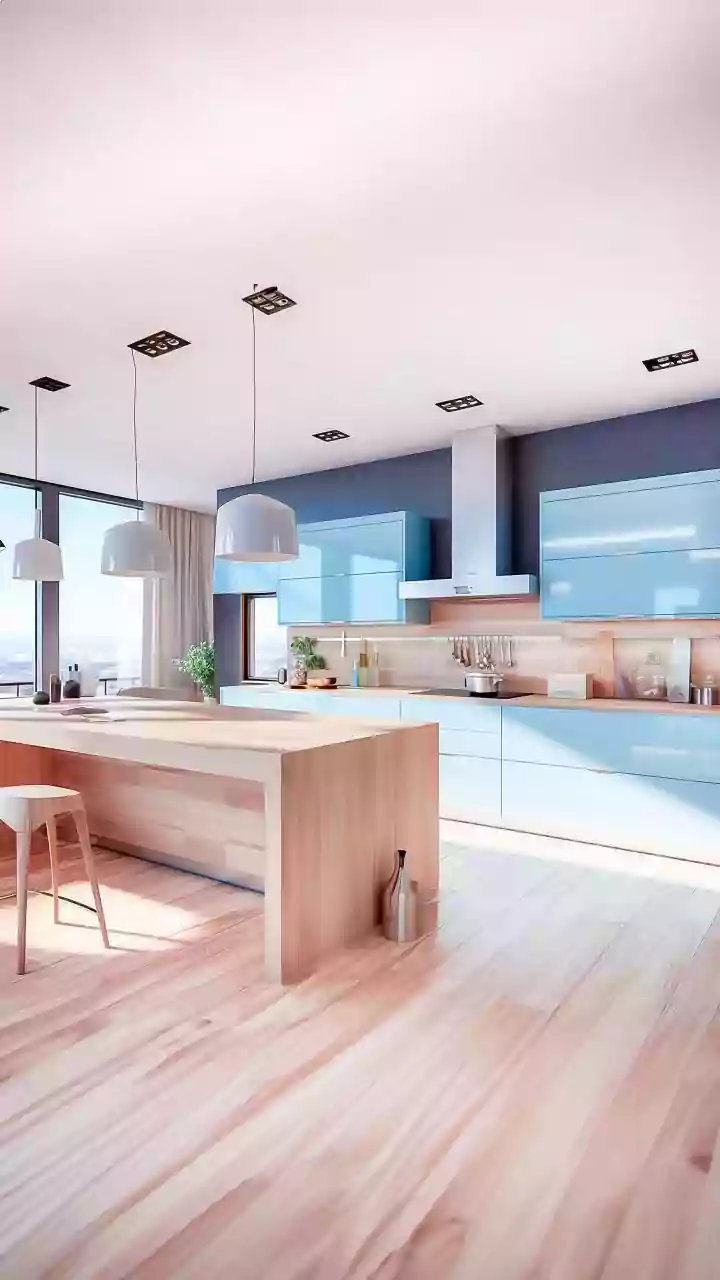
So, what are the tangible features of these new Indian wellness homes? On the high end, it can be quite spectacular. We're seeing dedicated spaces for yoga and meditation that are acoustically isolated and designed for tranquility. Central to many new developments are advanced, multi-stage air and water purification systems—a non-negotiable luxury in cities where pollution is a major concern. Circadian rhythm lighting systems that adjust color temperature throughout the day to support natural sleep-wake cycles are becoming more common. Kitchens are designed with space for home gardening, and pantries are built to better store fresh, organic produce. Even the choice of paint is deliberate, with a focus on non-toxic, low-VOC (volatile organic compounds) options. At the community level, new residential projects are being designed around central parks, reflexology paths, shared organic farms, and clubhouses that offer holistic health services rather than just a simple gym and pool.