
Beyond the Treks and Trails
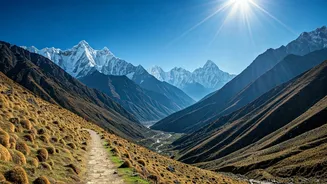
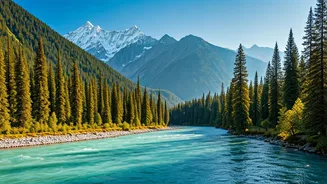
When Americans dream of the Indian Himalayas, they often picture adventure: trekking through pine-scented forests, rafting on the wild Beas River, or finding bohemian bliss in the bustling tourist hubs of Manali. The state of Himachal Pradesh delivers
on this promise in spades. Yet, for travelers seeking a deeper, more contemplative experience, the well-trodden path often misses the region's soul. That soul resides in places like Naggar. Just an hour’s drive from Manali, this quiet village feels a world away. It trades the cacophony of tour operators and souvenir shops for the quiet dignity of history, art, and ancient tradition. Naggar doesn't just offer a different view of the mountains; it offers a different view of Himachal itself, providing a cultural anchor to a journey often defined by adrenaline.
The Royal Past: Naggar Castle
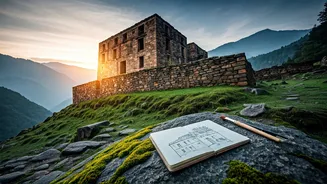
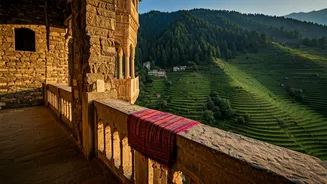
The centerpiece of the village is Naggar Castle, a magnificent medieval structure that commands a breathtaking view of the Kullu Valley. Built around 1460 by Raja Sidh Singh, it served as the capital of the Kullu kingdom for over 1,400 years. What makes it so captivating is its architecture. The castle is a prime example of Kath Kuni, a traditional Himalayan building style using interlocking layers of wood and stone without mortar. This technique not only gives it a distinct, rustic elegance but has also allowed it to withstand centuries of earthquakes. Today, the castle is part heritage hotel and part museum. You can wander its stone courtyards, peer through intricately carved wooden windows, and visit a small shrine. Standing on its balconies, with the wind whispering through the deodar trees and the valley spread out below, you get a tangible sense of the region’s royal past.
A Russian Soul in the Himalayas
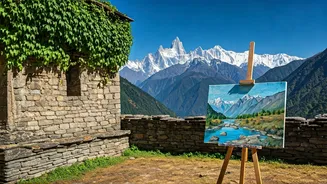
Naggar’s most surprising cultural asset is its deep connection to Russia. This is thanks to Nicholas Roerich, a renowned Russian artist, writer, and philosopher who settled here in 1929. Enamored with the spiritual power of the Himalayas, he and his family made Naggar their home. His former residence is now the Roerich Art Gallery, a must-visit destination. The gallery showcases his stunning, ethereal paintings of the Himalayan landscape, saturated in dramatic blues, purples, and pinks. His work captures not just the physical beauty of the mountains but their spiritual essence. Visiting the estate feels like stepping into his world. You can see his studio, his car, and feel the serene atmosphere that inspired him. This unexpected artistic pilgrimage site elevates Naggar from a pretty village to an international center for art and philosophy.
Whispers of Ancient Deities
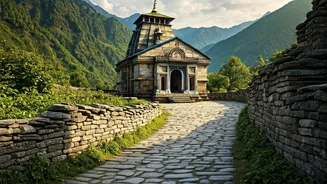
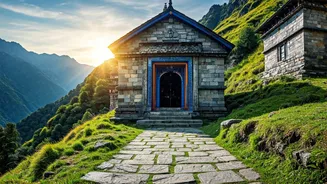
Long before the Rajas and Russian artists arrived, Naggar was a place of spiritual importance. The village is dotted with ancient temples that speak to its deep-rooted Hindu heritage. The Gauri Shankar Temple, a small stone structure dating back to the 11th century, is dedicated to Lord Shiva and is admired for its classic Shikhara (spire) architecture. A short walk away is the Tripura Sundari Temple, a larger pagoda-style temple with an impressive multi-tiered roof and exquisite wood carvings. These are not just historical monuments; they are living places of worship. The scent of incense, the sound of temple bells, and the quiet devotion of local villagers provide a powerful counterpoint to the more tourist-focused activities elsewhere in the valley, offering a genuine glimpse into the spiritual life of the Himalayas.