



1. The Demand for 'Clean' Ingredients
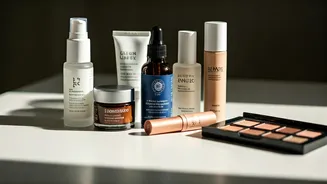
The most visible driver of this change is the booming interest in “clean” beauty. For years, shoppers blindly trusted legacy brands. Now, they’re flipping bottles over to scan ingredient lists. Consumers are actively avoiding potentially irritating or harmful
ingredients like parabens, phthalates, sulfates, and formaldehydes. While the term “clean” isn't regulated by the FDA—meaning brands can define it for themselves—the movement it represents is powerful. It’s a push for transparency and non-toxicity. Shoppers are no longer satisfied with a product that simply looks good; they want to feel good about what they’re putting on their skin, day after day. This has forced brands big and small to reformulate their products or risk being left on the shelf.
2. Makeup That Acts Like Skincare
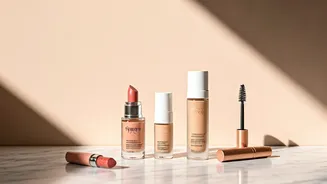
Why settle for a foundation that only covers imperfections when it could also improve them? This is the question driving the rise of the “skincare-makeup hybrid.” Today’s educated consumer expects their products to multitask. They want foundations infused with niacinamide to control oil and reduce redness, concealers packed with hyaluronic acid for a hydrating plumping effect, and lip oils enriched with peptides for long-term nourishment. This trend blurs the line between a makeup routine and a skincare regimen. It reframes makeup not as something to be scrubbed off at the end of the day, but as a beneficial, day-long treatment. For many, if a makeup product doesn’t offer some kind of skin-loving benefit, it’s seen as a missed opportunity.
3. The Educated, 'Skinfluencer'-Led Consumer
The days of relying solely on magazine ads or department store counter advice are over. We are now in the age of the “skinfluencer.” Dermatologists, cosmetic chemists, and hyper-knowledgeable enthusiasts on platforms like TikTok and YouTube have empowered millions of consumers. These creators break down complex ingredient science, provide unsponsored reviews, and teach professional-level application techniques. This digital education has created a generation of shoppers who can spot marketing fluff from a mile away. They understand the difference between active ingredients, know which ones work for their skin type, and are more influenced by a well-researched video from a trusted creator than a celebrity endorsement.
4. A Shift Toward Values-Driven Purchases
The modern consumer doesn't just shop for a product; they shop for a brand whose values align with their own. This has put a massive spotlight on ethical considerations. Is the brand cruelty-free? Are the products vegan? Is the packaging sustainable or recyclable? For a growing segment of the market, a “no” to these questions is a deal-breaker. People are increasingly willing to spend a little more or seek out an indie alternative that meets their ethical criteria. This conscious consumerism moves makeup from being a simple cosmetic purchase to a statement of personal values, forcing brands to be more accountable for their environmental and ethical footprint.
5. Performance Is No Longer Optional
Ultimately, it all comes down to performance. With countless new brands launching every year and social media showcasing products in high-definition, makeup has to work—and work well. The old logic of paying a premium for a prestigious brand name is fading. A $10 concealer that doesn’t crease can easily outperform a $40 luxury counterpart, and consumers are taking notice. Reviews and tutorials spread like wildfire, quickly crowning new holy-grail products and exposing duds. This intense competition means brands can no longer hide behind a fancy logo. The product must be long-wearing, blendable, flattering, and comfortable. If it doesn’t deliver, makeup lovers have no problem ditching it for something that does, regardless of the price point or brand name.