



Beyond the Standardized Menu
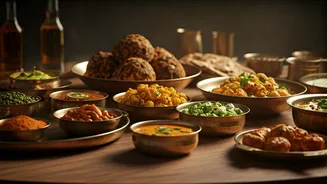
Imagine going to an 'American' restaurant and only finding burgers, hot dogs, and apple pie, regardless of whether you're in New Orleans, Santa Fe, or Honolulu. For years, that was the reality for diners in India. A standardized, largely North Indian
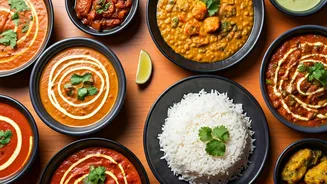
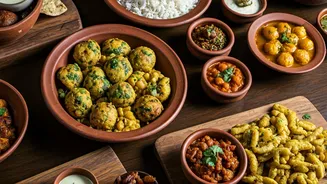
and Mughlai-influenced menu—think creamy sauces, tandoori meats, and fluffy breads—dominated restaurants across the country. This became the default 'Indian food,' both for locals dining out and for the international community. While delicious, this shorthand erased the staggering diversity of the subcontinent's cuisine. A dish from the mountains of Uttarakhand has little in common with one from the coastal backwaters of Kerala, yet they were both flattened under the same generic umbrella. Young, urban Indians, more traveled and digitally connected than any generation before them, are now rejecting this culinary monolith. They aren't just looking for dinner; they're looking for an experience that feels genuine and rooted.
What Is a 'Food Story'?
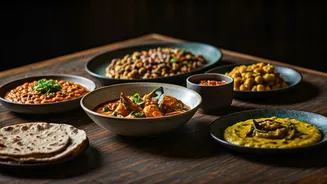
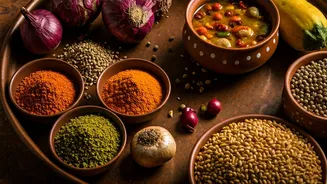
So, what does it mean for food to have a 'local story'? It’s the culinary equivalent of the American 'farm-to-table' movement, but with a deeper, more historical focus. It’s not just about knowing which farm your tomato came from; it’s about knowing which village your grandmother’s spice blend originated in. This trend champions hyper-regionalism. It’s about chefs and diners celebrating dishes, techniques, and ingredients specific to a particular community or micro-region. This could mean a curry made with fiery bhut jolokia peppers from Nagaland, a flatbread made from finger millet (ragi) that was once a staple in Karnataka, or a coastal fish preparation from the Konkan region that follows a specific family's generations-old recipe. The 'story' is the context: the history of the community that created the dish, the unique properties of the local ingredient, and the cultural rituals surrounding its preparation and consumption. It's a direct pushback against the homogenization of flavor.
A Search for Identity and Authenticity
This shift is being driven by a generation grappling with a complex modern identity. As India has globalized, young people have been exposed to everything from Italian pasta to Japanese sushi. The initial excitement for the foreign and the novel has, for many, given way to a desire to reconnect with their own heritage. It's a classic case of the globalization paradox: the more connected the world becomes, the more people crave what is unique and local. Social media has played a huge role. Instagram has turned food into a visual medium for storytelling, allowing a home cook from a small town in Bengal or a chef reviving tribal cuisine in Odisha to find a national audience. Sharing a picture of a rare, regional dish is a way of showcasing cultural capital and a sophisticated palate that goes beyond just knowing the trendiest new restaurant. It’s a statement of identity, a way of saying, 'This is where I come from, and it’s amazing.'
From Hyper-Local to Your Plate
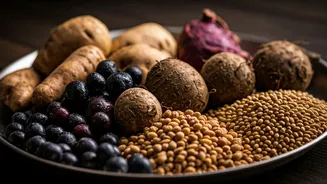
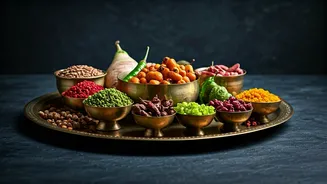
This trend is manifesting in exciting ways across India's food scene. A new wave of restaurants has emerged that focuses entirely on the cuisine of a single, often overlooked, region. You can now find eateries in Mumbai dedicated solely to Bihari food or restaurants in Delhi celebrating the nuanced flavors of the various communities in the Northeast. Home chefs have become micro-celebrities, hosting pop-up dinners and delivery services based on their specific community's recipes—the kind of food you could never find in a commercial kitchen. This has also sparked a revival of 'lost' ingredients. Foragers and farmers are working with chefs to bring back indigenous vegetables, ancient grains like millet and amaranth, and unique varieties of rice that were pushed aside by commercial agriculture. For young Indian diners, this isn't just a meal. It's an act of cultural preservation, an exploration, and a delicious way to reclaim the diverse and complex stories that make up their country.