




The Burnout Backlash
The irony is impossible to miss: the first generation of true digital natives is leading the charge for analog escape. Raised under the omnipresent glow of screens, Gen Z (born roughly between 1997 and 2012) is experiencing digital fatigue at an unprecedented
scale. The constant pressure to perform online, coupled with the anxieties of a hyper-connected world, has created a powerful craving for experiences that offer a genuine break—not just from work or school, but from the digital self. This isn't just about a simple vacation; it's a deliberate rebellion against the 'always on' culture they inherited. While millennials may have pioneered the #wellness hashtag, Gen Z is redefining it. For them, wellness isn’t necessarily a green juice or a yoga class shared on an Instagram story. Increasingly, it’s the absence of the need to perform or document. It’s the quiet of a forest, the focus of a physical challenge, or the simple act of being present in a moment without the impulse to capture and share it.
From ‘Pics or It Didn’t Happen’ to Intentional Invisibility
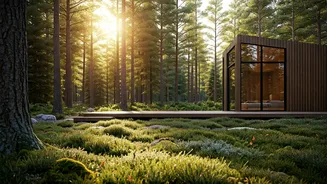
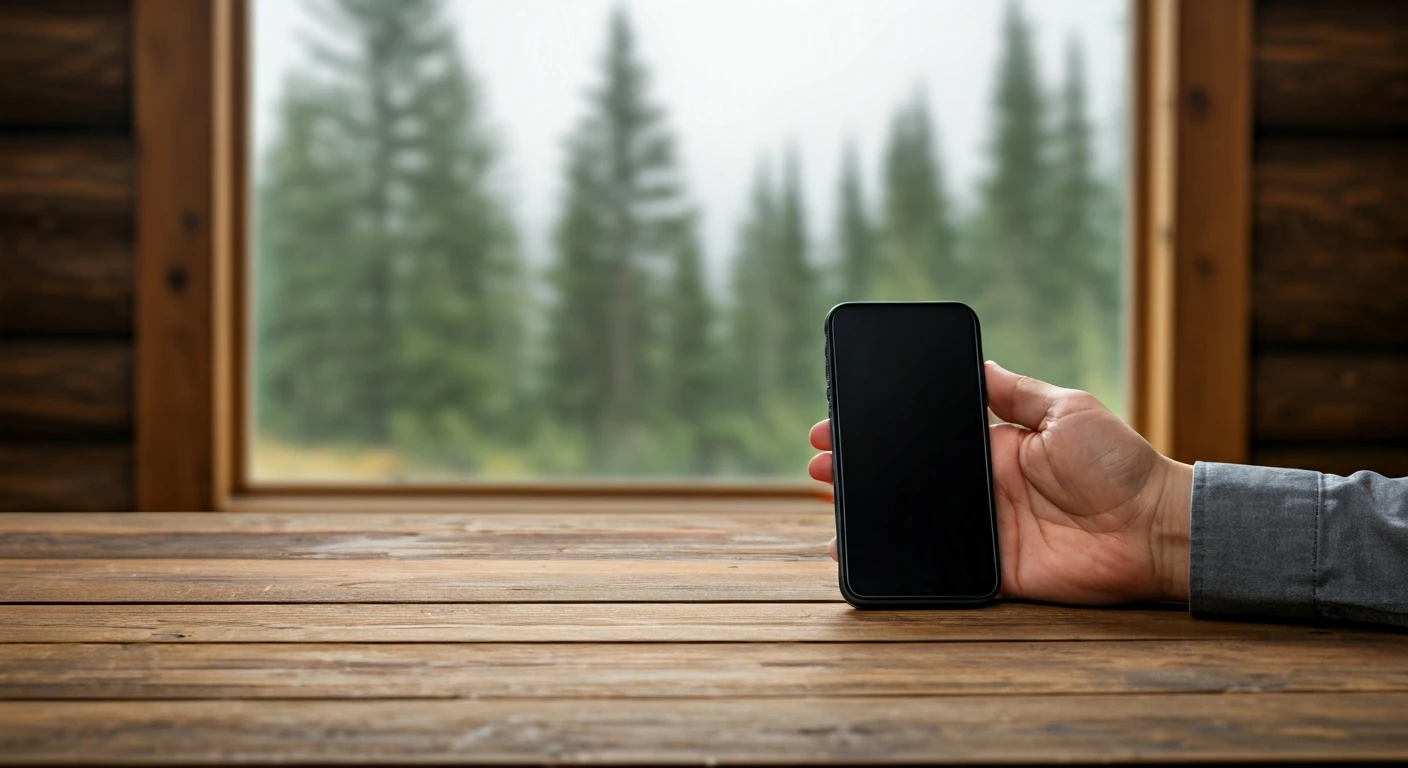
For years, the currency of travel was the photograph. A vacation was measured by the quality and quantity of its shareable moments. The destination was often secondary to its 'Instagrammability.' Now, a counter-movement is gaining traction among younger travelers. The new status symbol isn't a perfectly filtered sunset; it’s the ability to disconnect entirely. This shift is pushing the travel industry to adapt. Instead of just highlighting their high-speed Wi-Fi, resorts and retreat centers are now advertising their lack of it. Destinations are being marketed based on their remoteness and poor cell reception. Think 'lockbox for your phone' amenities at check-in, guided 'silent hikes,' and cabins nestled deep in the woods where the only notification you’ll receive is a bird chirping. This trend moves beyond the traditional 'digital detox'—which can feel like a forced, temporary punishment—and towards something more integrated and desirable: a vacation where digital noise is simply not part of the landscape.
What Low-Fi Wellness Looks Like
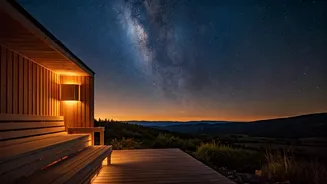
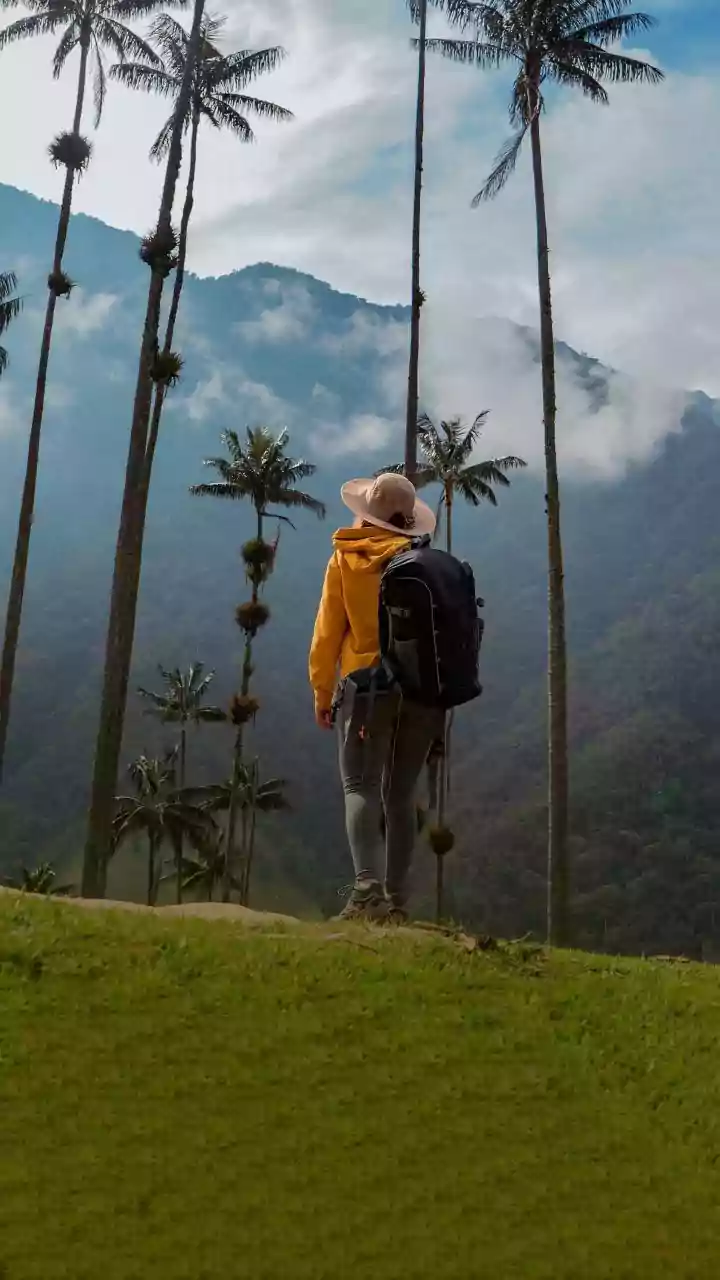
So what does this new era of wellness travel actually involve? It’s less about opulent spas and more about authentic, grounding experiences. Popular options include off-grid accommodations like yurts and A-frame cabins, which offer comfort without the constant electronic hum of a standard hotel room. National Parks and other protected natural areas are seeing a surge in interest from younger crowds seeking challenging hikes and breathtaking vistas that demand full attention. Furthermore, there's a growing interest in 'monastic' or simplified retreats that focus on single activities like pottery, writing, or even farming. These trips provide a tangible, skill-building alternative to passive consumption. The goal is to replace the frantic multitasking of daily life with a singular, meditative focus. It’s a form of mindfulness in action, where the reward isn't an external 'like' but an internal sense of accomplishment and peace.
Not Anti-Tech, Just Pro-Balance
It would be a mistake to interpret this trend as Gen Z rejecting technology outright. This is the generation that fluidly navigates digital and physical worlds. They still use TikTok to discover hidden travel gems and Instagram to research destinations. The difference is a growing desire for boundaries. The search for low-fi travel is not about abandoning technology forever; it’s about putting it in its place. It’s a conscious decision to choose when and how to engage. A trip might be planned meticulously using online tools, but the experience itself is intentionally analog. After a week of digital silence, that same traveler will likely post a single, thoughtful photo dump, summarizing the experience with a newfound appreciation for the world beyond the screen. It's a sophisticated balancing act: using the digital world to facilitate a temporary escape from it.